

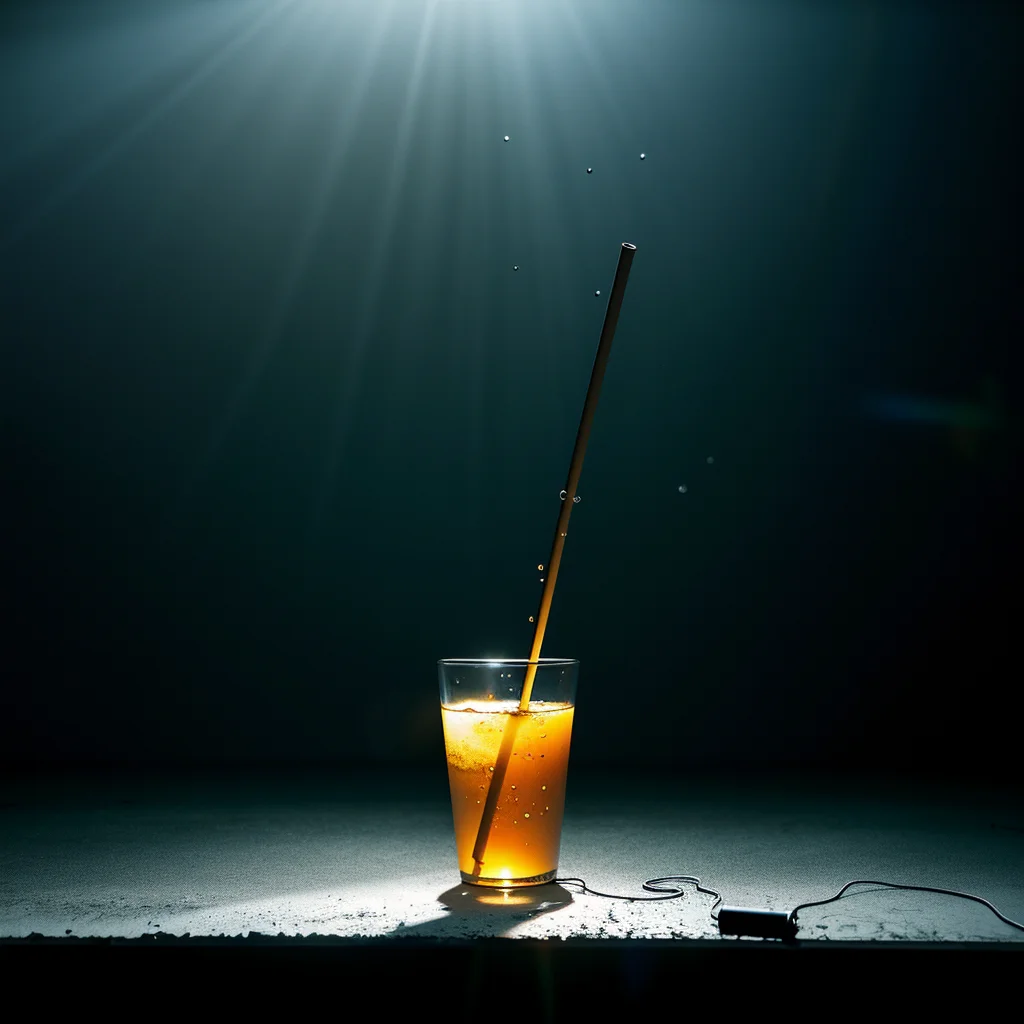
We all have that one friend who needs to leave the party early. The one who flinches at the grocery store fluorescents. The one who can't wear that "itchy" sweater. We've called them sensitive, high-maintenance, dramatic. But what if their experience—and maybe yours—isn't a choice, but a neurological reality? What if it's sensory overload, and it's your brain's way of screaming that it's reached capacity. This isn't about being weak. It's about your nervous system working overtime in a world that never hits mute.
Your Brain Is Not a Bottomless Bucket
Think of your brain's processing power like a cup. Every sight, sound, smell, texture, and taste is a drop of water. A quiet morning? A few drops. A busy office with chatter, keyboard clacks, perfume, and harsh lighting? A steady pour. A crowded concert or a chaotic family gathering? That's someone turning on the firehose. Sensory overload is what happens when the cup overflows. It's not that the water (the stimuli) is bad; it's that there's simply too much of it to hold. Your system short-circuits. Research suggests that for some people, this cup is naturally smaller, or their brain filters incoming data less efficiently. The result isn't a mood. It's a physiological state of overwhelm.
The Symptoms That Aren't Just "In Your Head"
It rarely announces itself politely. It crashes in. You might feel a sudden, intense irritability, a need to snap at the person chewing too loudly. Anxiety can spike for "no reason" in a bright, noisy store. Focus shatters; thoughts become fragmented and racing. Physically, it can be a headache building behind the eyes, a heart rate that won't settle, muscle tension, or profound exhaustion. Many describe a feeling of being "raw," like their skin is off and every stimulus is a direct hit to a nerve. This isn't being fussy. These are the real, documented signals of a nervous system in distress, struggling to integrate more input than it can handle.
Why Modern Life Is a Sensory Gauntlet
We built a world that constantly demands our attention. Pings, dings, and notifications fracture our auditory space. Screens bombard us with rapid-fire visual data. Open-plan offices combine overlapping conversations with artificial lighting. Even our leisure is often curated sensory bombardment: immersive movies, loud restaurants, stimulating video games. We've created an environment of constant, low-grade sensory assault, and then wonder why our resilience feels depleted. Studies indicate that this relentless exposure doesn't just cause momentary stress; it can contribute to a chronic state of hypervigilance, where the nervous system is perpetually braced for the next influx.
The Myth of "Just Tune It Out"
This is the most damaging advice. Telling someone to "ignore it" or "get used to it" is like telling someone with a broken leg to "just walk it off." The ability to filter sensory input is largely neurological. For some, the brain's thalamus, the gatekeeper of stimuli, has a very porous filter. Everything comes in with the same volume and urgency. The background hum of a fridge is as present as a conversation. The tag on a shirt is a persistent, grating alert. This sensory processing difference isn't a failure of willpower. It's a different way of experiencing the physical world. Trying to "tune out" often leads to deeper exhaustion, as it requires immense cognitive effort to manually suppress what the brain is loudly registering.
Reclaiming Your Sensory Space Isn't Selfish
It's survival. And it starts with recognizing your personal triggers. Does fluorescent light make your brain feel "buzzy"? Do multiple conversations make you feel frantic? Does strong perfume trigger a headache? Pay attention. Then, audit your environments. Noise-canceling headphones aren't an accessory; they're a barrier between you and auditory overflow. Sunglasses indoors can dial down visual noise. Choosing the quiet corner of the cafe, taking a five-minute break in a bathroom stall to breathe, wearing soft, tagless clothing—these aren't indulgences. They are micro-adjustments that keep your cup from spilling over. It's about managing your input before it manages you.
The Quiet Power of Knowing Your Limits
The most empowering step isn't finding a magic cure for overload; it's removing the shame from needing a boundary. It's giving yourself permission to say, "This environment is too much for me right now," without a cascade of guilt. It's planning an exit strategy before you enter a potentially overwhelming situation. It's communicating to friends, "I'd love to see you, but could we meet somewhere quiet?" This shifts the narrative from "What's wrong with me?" to "What do I need to function well?" That question isn't fragile. It's fiercely self-aware. In a culture that glorifies "pushing through," knowing your sensory threshold and honoring it is a radical act of self-respect. Your peace is not the price of admission for existing in the world. You get to design your participation on terms that keep your nervous system intact. Start by asking, right now: What's one sensory input I can remove, just for today, to make my cup a little emptier?