

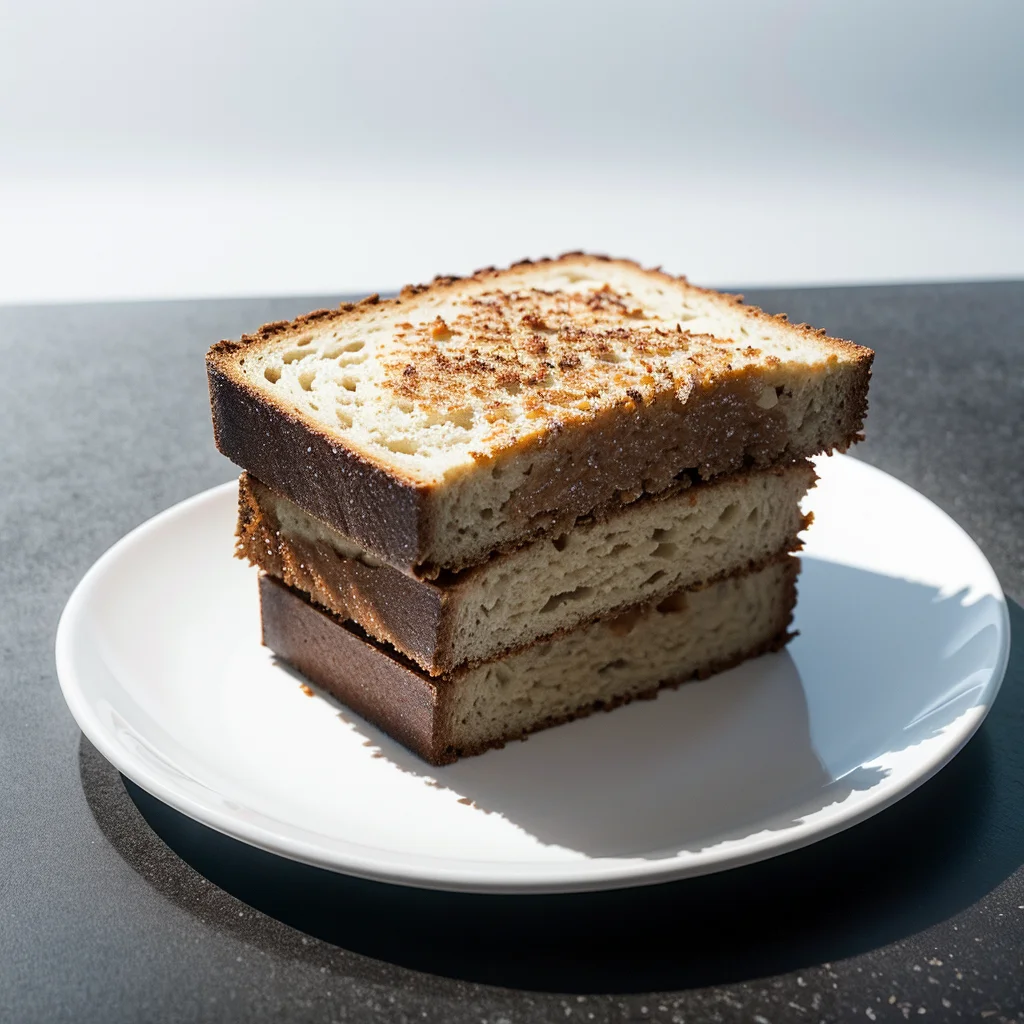
You know that feeling when your phone lights up with a text from them, and for a glorious second, your heart does that little flip? It's been three days of radio silence, but here it is: a meme about that show you both watch, a "haha remember when" about your last date, a single crumb of attention tossed your way. You devour it, you overanalyze it, you craft the perfect witty reply. And then... you wait. Again. Welcome to the confusing, frustrating, and oddly common world of breadcrumbing, the modern dating phenomenon that feels like emotional snacking instead of a real meal.
From Medieval Folklore to Your DMs: The Psychology of the Crumb
So, what exactly is breadcrumbing? In the simplest terms, it's the act of sending out sporadic, non-committal messages or signals to keep someone interested, without any intention of pursuing a genuine, substantial relationship. The name, of course, comes from the Hansel and Gretel fairy tale—leaving a trail of crumbs to lead someone along, but in this version, the trail often leads nowhere. It's not quite ghosting (where someone vanishes completely), and it's not the hot-and-cold push-pull of more intense dynamics. Breadcrumbing is subtler. It's the "thinking of you" text at 11 p.m., the flirty comment on your Instagram story from someone who hasn't asked you out in weeks, the promise to "definitely hang soon" that never materializes into a calendar invite. Research into interpersonal ambiguity suggests this kind of intermittent reinforcement—getting a reward (attention) at unpredictable intervals—is incredibly powerful at keeping someone hooked, much like a slot machine.
The Digital Playground: Why Apps Are a Breadcrumber's Paradise
Let's set the scene. You're scrolling. A match from two months ago, a conversation that fizzled, suddenly pops up: "Hey stranger, just saw this and thought of you!" attached to a dog video. Your brain, ever the optimist, goes into overdrive. "They're thinking of me! This is a sign!" The architecture of modern dating apps and social media practically encourages this low-effort, high-reach behavior. With a curated feed and a direct message button, sending a "crumb" requires minimal energy and zero accountability. There's no need to call, no need to make a plan, just a fleeting digital poke that maintains a thread of connection. Many experts believe the sheer volume of options presented by online dating can lead to what's called "relationshopping," where people keep multiple potential connections on the back burner through these occasional check-ins, a behavior closely related to breadcrumbing.
Are You the Baker or the Bird? Recognizing the Dynamic
Sometimes it's hard to see the trail of crumbs when you're the one following it. So, let's break down the classic signs you might be dealing with a breadcrumber. The communication is inconsistent and primarily low-effort (think texts over calls, memes over conversations). Plans are vague ("we should get drinks sometime") and rarely, if ever, solidify. The conversation is often nostalgic, focusing on past interactions rather than building toward future ones. You find yourself doing the vast majority of the emotional and logistical labor—initiating serious talks, trying to pin down dates. On the flip side, it's worth a moment of self-reflection: have you ever been the one scattering crumbs? Maybe you're not fully interested but enjoy the ego boost, or you're genuinely busy but afraid to fully let go. Studies on communication patterns indicate that ambiguity often stems from a desire to avoid conflict or difficult conversations, not necessarily from malice.
The Emotional Toll: Why Those Tiny Crumbs Leave a Big Hollow Feeling
Here's the thing about surviving on crumbs: you stay hungry. Psychologically, this dynamic can be more draining than a clean break. The constant hope-despair cycle triggered by intermittent contact can fuel anxiety, keep you in a state of hyper-vigilance (hello, phone-checking obsession), and chip away at your self-esteem. You might start to question your own perceptions: "Am I being too needy? Maybe this is just how dating is now?" This state of prolonged uncertainty, which some relationship theorists link to "ambiguous loss," can make it impossible to emotionally move on or be open to other, more available connections. You're left in a holding pattern, running on the fumes of potential.
From Snacking to a Full Meal: How to Change the Menu
So, what do you do when you realize you've been following a trail to nowhere? First, acknowledge it without self-judgment. It's human to want connection and to hope. Next, try a tactic of clarity. Instead of playing the vague game, communicate with direct, low-pressure questions focused on the future. "I've enjoyed chatting. Would you like to grab a concrete coffee this Thursday?" Their response (or non-response) will give you the data you need. If the ambiguity continues, the most empowering step is often to stop collecting the crumbs. This doesn't require a dramatic confrontation (though you can have one if you wish). It can simply mean muting their stories, not engaging with the low-effort messages, and consciously redirecting your energy. You teach people how to treat you by what you accept. Choosing to seek out interactions that are consistent, reciprocal, and substantive is how you reset your own standards.
Your Table, Your Rules: Reclaiming Your Narrative
At its core, navigating breadcrumbing is about recognizing your own agency in your connections. It's about asking yourself: does this interaction leave me feeling nourished or just momentarily distracted? Does it feel like a two-way street or a one-way broadcast? Understanding this dynamic isn't about becoming cynical or playing games. It's about developing the discernment to distinguish between someone who is genuinely interested but awkward, and someone who is strategically keeping you as an option. The next time you feel that familiar flip at a random text, take a breath. Ask yourself what you're truly hungry for. Then, decide if you're willing to settle for a crumb, or if you'd rather hold out for a seat at a table where you're fully welcomed, and the feast is real.