

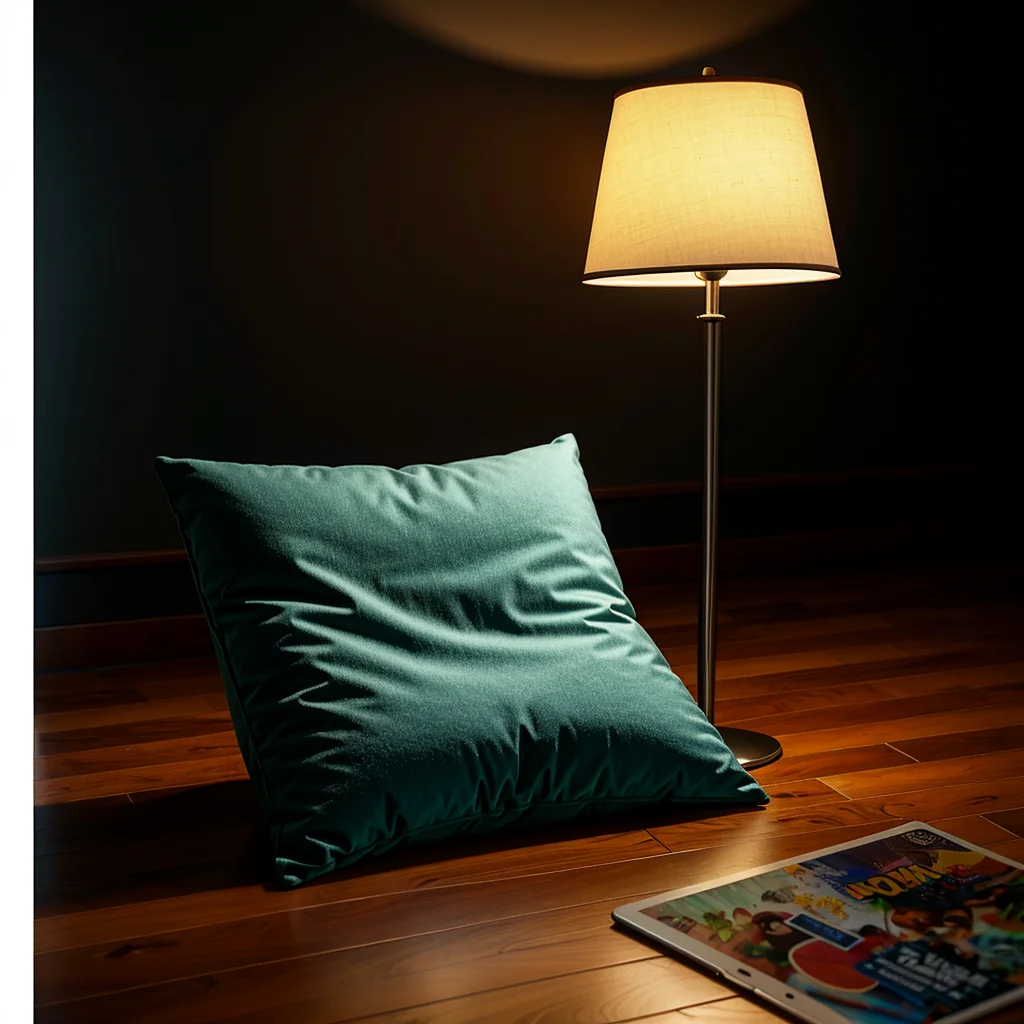
You've felt it: the sudden, compelling urge to abandon all pretense of being a functional adult, order a large pizza just for yourself, and watch reality TV in a blanket burrito while ignoring every single notification on your phone. Welcome to goblin mode, the internet's favorite term for that gloriously unhinged state of shameless self-indulgence. It's not just laziness; it's a full-scale, conscious rejection of performative wellness and productivity. This deep-dive explores why we retreat into our chaotic comfort zones and what it says about modern life.
The Rise of the Goblin: From Niche Meme to Cultural Mood
While the term "goblin mode" officially won Oxford's 2022 Word of the Year, the sentiment has been lurking in our collective subconscious for much longer. It emerged as a direct counterpoint to the curated perfection of "that girl" aesthetics and the relentless hustle culture that dominated social media. Researchers who study digital culture suggest this linguistic shift reflects a broader societal fatigue. After years of pandemic-induced uncertainty and the pressure to constantly optimize ourselves, many people, particularly younger adults, are embracing a narrative of reclaiming autonomy. Goblin mode becomes a symbolic act of resistance—a way to say, "I am opting out of your expectations, just for tonight." It's the id, dressed in stained sweatpants, finally getting the microphone.
What's Really Happening in Your Brain on Goblin Mode?
Psychologically, slipping into goblin mode isn't random chaos; it often follows a period of high cognitive load or emotional labor. When your prefrontal cortex—the part of your brain responsible for decision-making, social cues, and impulse control—gets exhausted, it craves a complete break. Entering a state of deliberate, low-stakes indulgence can be a form of neurological recovery. Studies on self-regulation indicate that willpower is a finite resource. After a day of making decisions, pleasing others, and upholding a "presentable" self, your mental battery is drained. Goblin mode, in this light, can be seen as a crude but effective system reboot. It's a permission slip to let the more primitive, pleasure-seeking parts of your brain drive for a while, free from judgment.
What Research Says About Strategic Indulgence
While "goblin mode" itself hasn't been the subject of clinical trials, the behaviors it describes touch on well-researched psychological concepts. The theory of ego depletion, for instance, explores how self-control can wear out with use, potentially making unstructured downtime a necessary recharge. Furthermore, research on guilt-free leisure suggests that how we frame our relaxation matters immensely. If you view your goblin time as a deserved, intentional break, it's more likely to be restorative. Conversely, if you spend the entire time berating yourself for not being productive, it can increase stress. Some experts also point to its similarity to "psychological detachment," a coping mechanism where you mentally disengage from work-related thoughts, which is linked to better well-being. However, it's crucial to note that research consistently draws a line between occasional, mindful disengagement and chronic avoidance, which can have negative consequences.
The Fine Line Between Recharge and Rut
This is where the goblin narrative gets tricky. A weekend of intentional sloth can be therapeutic. A month of it might signal something deeper. The key differentiator is often agency and duration. Are you choosing goblin mode, or is it choosing you? Chronic retreat can sometimes be a mask for burnout, depression, or anxiety. When low-energy, isolated behavior becomes a persistent default rather than a temporary haven, it may be worth exploring why the "regular" world feels so intolerable. The goblin's lair is cozy, but it wasn't meant to be a permanent residence. Listening to what your goblin tendencies are trying to tell you—perhaps you're overcommitted, under-appreciated, or just desperately bored—is the first step in ensuring your retreat serves you, not the other way around.
Harnessing Your Inner Goblin (Without Letting It Take Over)
So, how do you engage with this primal urge in a way that actually benefits you? Think of it as goblin management. First, schedule it. Paradoxically, planning your unplanned time can make it more satisfying and prevent it from bleeding into obligations. Second, be fully present in your decadence. If you're going to eat snacks for dinner, truly enjoy the snacks. Half-hearted goblining while scrolling through work emails is the worst of both worlds. Third, set a boundary. Decide on a timeframe—an evening, a Sunday—and a gentle re-entry ritual, like tidying one small area or preparing a healthy lunch for tomorrow. This creates a psychological container, transforming the experience from a guilty secret into a deliberate act of self-care. Finally, ask the core question: What does my goblin need right now? Is it sensory comfort? Total mental silence? Creative messiness? Answering that can lead you to more tailored and fulfilling ways to recharge.
Ultimately, goblin mode is a testament to our shared human need to occasionally drop the act. It's a messy, funny, and deeply relatable response to a world that often demands too much polish. By understanding its psychological roots and learning to engage with it intentionally, we can honor our need for authentic downtime without getting lost in the cave. Sometimes, you have to embrace the goblin to remember you're still the one in charge.