

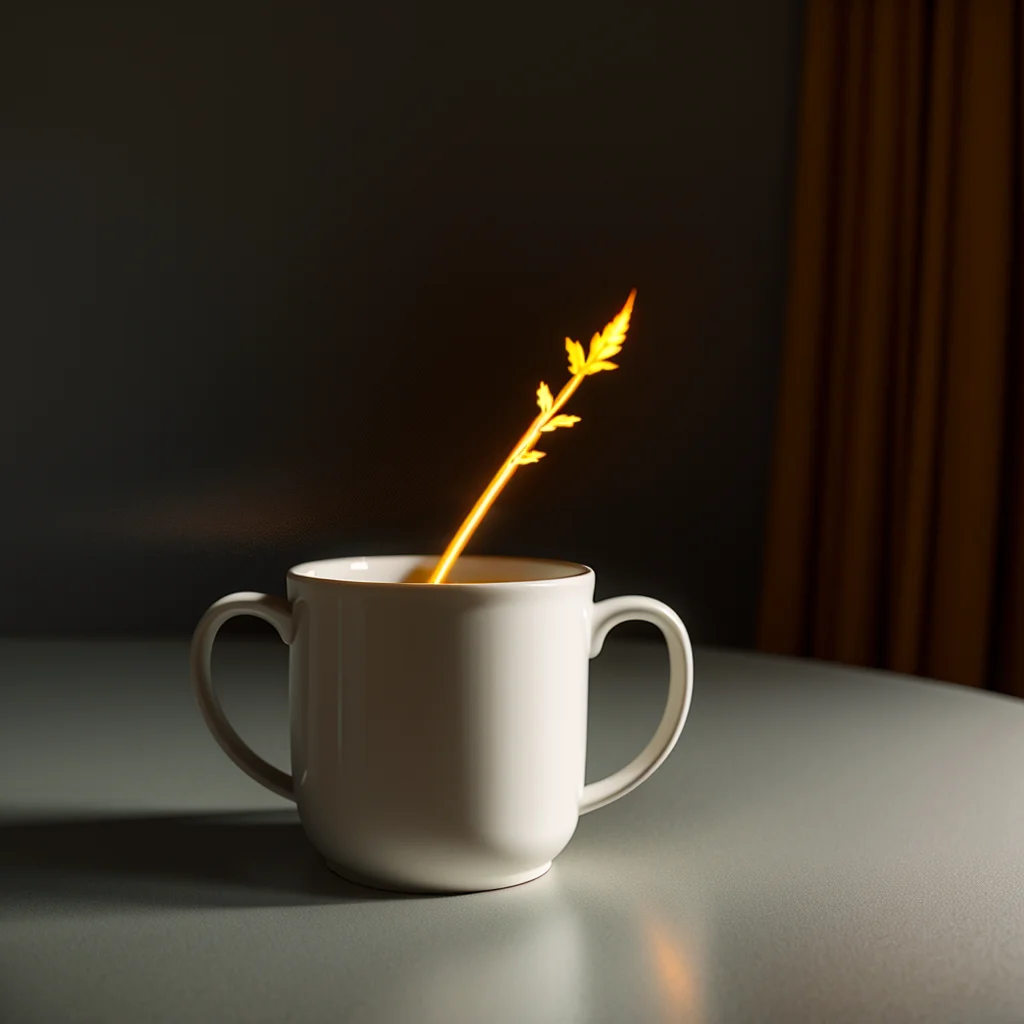
As the leaves turn and the air chills, a familiar, wistful feeling settles in for many. Welcome to the world of "sad girl autumn," a cultural phenomenon that has evolved from a niche aesthetic into a widely recognized seasonal state of mind. It's more than just a playlist of melancholic indie folk; it's a complex intersection of biology, psychology, and cultural storytelling that captures a specific flavor of introspective longing. This deep-dive explores why this autumnal melancholy resonates so deeply, what science might say about it, and how to engage with these feelings in a way that fosters self-awareness rather than despair.
From Aesthetic to Archetype: The Rise of Seasonal Melancholy
The term "sad girl autumn" crystallized online, often visualized through soft-filtered photos of solitary walks, steaming mugs, and well-worn novels. It's an aesthetic that romanticizes a gentle, poetic sadness, distinct from clinical depression. This archetype taps into a long literary and artistic tradition—think of the Romantic poets or the autumnal reflections in classic novels. Researchers who study digital culture suggest that by giving a name and visual language to this collective mood, it allows individuals, particularly young adults, to contextualize and share their internal experiences. It transforms a private feeling into a shared, almost ritualistic, seasonal narrative. The phenomenon isn't about glorifying unhappiness, but about acknowledging the depth and nuance of human emotion as the external world undergoes a dramatic, beautiful decay.
The Body's Rhythms: More Than Just Back-to-School Blues
While the "sad girl" framing is cultural, the physiological underpinnings are very real. Our bodies are exquisitely tuned to environmental cues like light and temperature. As daylight hours dwindle in autumn, the change can disrupt our circadian rhythms and the production of key neurotransmitters. Studies suggest that reduced sunlight exposure can lead to lower levels of serotonin, a brain chemical heavily involved in mood regulation, and can disrupt melatonin, which governs sleep cycles. This isn't necessarily Seasonal Affective Disorder (SAD), a clinical diagnosis, but rather a milder, more common shift on the spectrum of human response to seasonal change. The crisp air and earlier sunsets literally signal our biology to slow down, turn inward, and conserve energy—a primal echo of harvest and preparation. The melancholic mood, therefore, might be partly a psychological reflection of this biological downshift.
What Research Says About Nostalgia and Transition
Psychological research offers intriguing lenses through which to view the autumnal mood. Firstly, studies on nostalgia indicate that this bittersweet emotion, often triggered by seasonal cues like smells or sights, serves a vital psychological function. Contrary to being purely sad, nostalgic reflection can increase feelings of social connectedness, imbue life with meaning, and foster a sense of continuity in one's personal story. Autumn, with its clear markers of time passing (changing leaves, the start of a new school year, even if unofficially), is a potent catalyst for this kind of reflective nostalgia.
Secondly, the season represents a significant transition. Transitions, even positive ones, are inherently stressful and require psychological adjustment. The shift from the expansive, social energy of summer to the contractive, interior focus of fall and winter constitutes a major psychosocial transition. Research on life transitions suggests that such periods are often accompanied by heightened self-reflection and emotional complexity. The "sad girl autumn" sentiment may be a culturally-shaped expression of this universal processing period, where one takes stock of the year's "harvest" and prepares for the introspection of winter.
Beyond the "Girl" Label: A Universal Seasonal Experience
While the viral term is gendered, the core experience it describes is profoundly human and not confined to one gender. The cultural packaging may lean on certain feminine-coded aesthetics, but the feeling of autumnal melancholy—the poignant blend of beauty and decay, of memory and anticipation—is universal. Historical and cross-cultural examinations show many traditions that honor this seasonal shift with festivals of remembrance and reflection, from Samhain to Día de Muertos. These rituals provide a container for collective melancholy, acknowledging loss and change as part of the natural and human cycle. Engaging with the "sad girl autumn" mood, then, can be seen as a modern, personal ritual that taps into this ancient, shared human need to meaningfully mark the passage of time and sit with life's more contemplative phases.
From Passive Mood to Active Reflection: A Practical Guide
So, how can one move from simply "feeling the vibe" to using this seasonal shift for genuine self-discovery? The key is intentionality. Instead of passively consuming melancholic content, consider actively engaging with the reflective potential of the season. This could involve a "mental harvest": journaling about what you've learned, accomplished, or released over the past year. It might mean embracing the concept of "hygge" or conscious coziness, not as an escape, but as a deliberate practice of creating a nurturing, inward-focused environment. You could use the natural symbolism—the shedding of leaves—as a prompt to consider what you are ready to let go of. The practical application is to channel the seasonal energy into gentle inquiry. Ask yourself: What does this quieter, slower version of myself need? What memories or feelings is this season bringing to the surface, and what can I learn from them? This transforms a vague mood into a purposeful, time-limited period of introspection.
The power of "sad girl autumn" lies not in its sadness, but in its permission to be complex, quiet, and reflective. It's a culturally-coined reminder that our emotions have seasons too, and that a phase of melancholy can be a deep, rich, and necessary part of the human emotional ecosystem. By understanding the biological cues, psychological research, and cultural narratives at play, we can meet this seasonal shift with curiosity rather than dread, and perhaps even find a strange comfort in the collective, poetic sigh of the falling leaves.