

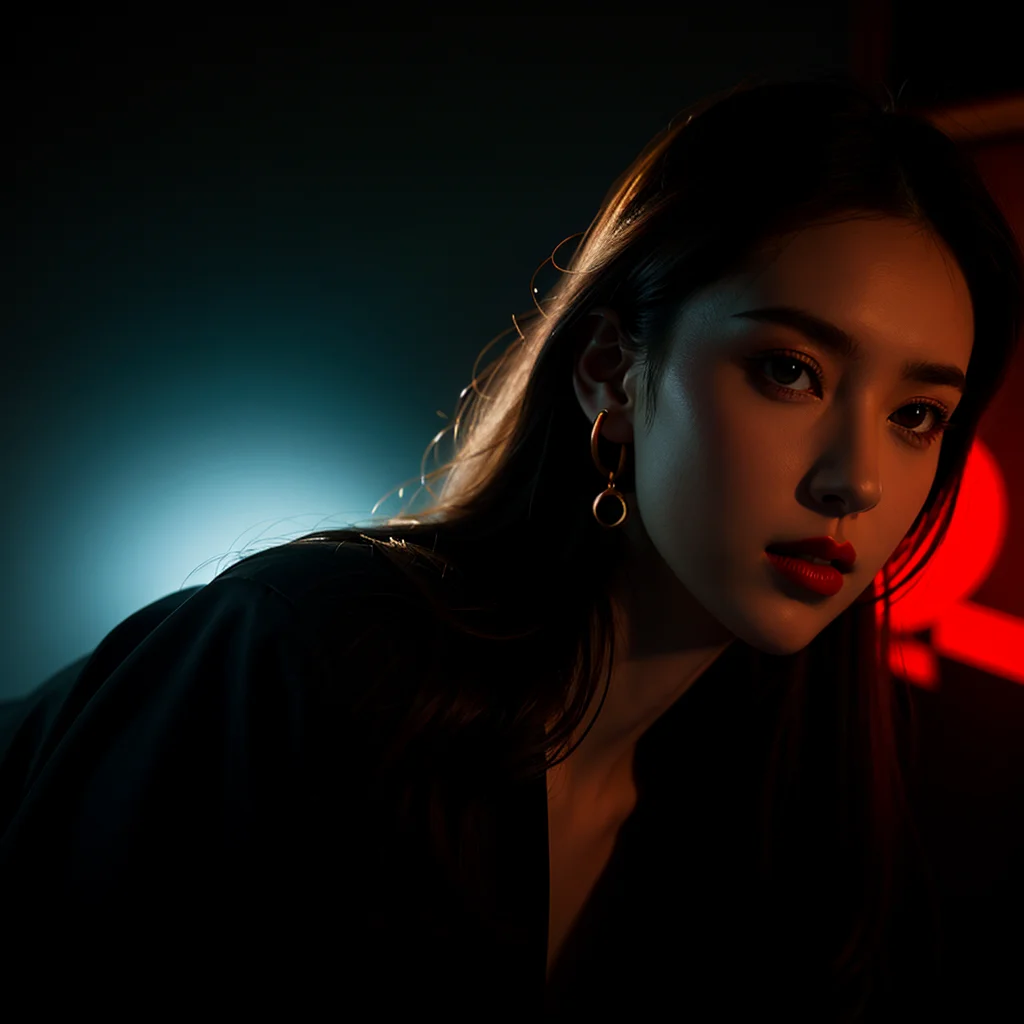
We all have that one friend who, after a particularly brutal week of being ignored by their boss or ghosted by a situationship, suddenly appears on our feed draped in leopard print, dripping in gold, and radiating a terrifying, don't-f-with-me energy. The mob wife aesthetic isn't just a TikTok trend; it's a full-blown psychological mood. It's the sartorial equivalent of slamming a door so hard the pictures rattle. Most of us secretly understand the appeal: it's the fantasy of trading in our people-pleasing for pure, unadulterated power.
The Allure of the Unapologetic Persona
Let's be honest. The core of this look isn't the fur coat or the oversized sunglasses. It's the posture. It's the vibe of someone who has seen some things, made some calls, and sleeps just fine at night. In a world where we're constantly auditing our own emails for tone and agonizing over whether a text deserves one 'haha' or two, the mob wife character represents a glorious, fictional absence of that anxiety. She doesn't worry if she's liked; she commands respect (or else). Research in social psychology often suggests that adopting certain postures or 'enclothed cognition' can temporarily influence how we feel. Trying on this bold, confrontational style might be less about wanting to be a criminal and more about wanting a vacation from our own self-doubt.
From Quiet Luxury to Loud Consequences
This trend arrived hot on the heels of 'quiet luxury'—the whisper-wealth of beige cashmere and understated logos. The mob wife aesthetic is its loud, chain-smoking cousin from Staten Island. If quiet luxury whispers "I have old money," the mob wife look bellows, "I MAKE money." It's a rejection of subtlety. The gold jewelry isn't dainty; it's a knuckle-duster. The animal print isn't a suggestion; it's a warning. This shift in fashion psychology might reflect a broader cultural fatigue with playing it safe and being polite. When external systems feel chaotic or unfair, embodying a character who creates their own ruthless order can be a strangely comforting fantasy.
The Armor We Wear When We Feel Powerless
Think about when the urge for this aesthetic strikes. It's often not when we're winning. It's when we feel overlooked, undervalued, or stuck. Sliding into that mindset is like psychological cosplay. We're not just putting on a leather jacket; we're draping ourselves in the fiction of agency. The exaggerated femininity—the big hair, the sharp manicure, the figure-hugging dresses—becomes a form of armor, a deliberate weaponization of a style that society often dismisses. It says, "You will see me, and you will not forget me." Many experts believe that fashion acts as a tool for self-expression and coping, allowing us to experiment with identities that contrast with our daily realities.
The Dark Glamour of Transactional Relationships
Part of the fantasy is the fictional world this aesthetic implies: one of stark loyalty and brutal consequences. Your family, your crew, comes first, always. Betrayal is met with definitive, cinematic action. In our messy, real-world relationships where conflicts drag on for months in group chats and boundaries are constantly negotiated, the brutal simplicity of this fictional code is weirdly appealing. It's a world where lines are clear, and disloyalty has a price. Of course, in reality, such dynamics are harmful. But as a stylistic metaphor, it speaks to a deep-seated yearning for clear-cut loyalty and the power to enforce it.
Beyond the Trend: What Are You Really Commanding?
So, you've bought the hoop earrings and perfected the smoky eye. Now what? The real power of this trend isn't in perpetuating a stereotype, but in asking ourselves what we're trying to command when we channel it. Is it respect at work? The courage to end a draining friendship? The audacity to take up more space in a room? The mob wife persona is, at its heart, a caricature of control. The work begins when we translate that theatrical confidence into our authentic lives. Instead of fantasizing about sending a goon to handle a problem, we can practice the equally brave, if less cinematic, act of saying "no" with conviction.
Embracing Your Own Version of Unshakeable
The trend will fade. The leopard print will go back into storage (or to the thrift store). But the feeling it points to—the desire to feel formidable, protected, and in charge of your own narrative—that's perennial. You don't need a fur coat to cultivate that. True, unshakeable power doesn't come from intimidating others; it comes from a deep, quiet knowledge of your own worth and boundaries. It's the confidence that doesn't need to announce itself with gold chains because it's woven into the fabric of how you move through the world. So, take the essence of the mob wife mentality—the loyalty to your own well-being, the intolerance for disrespect, the commitment to your chosen family—and leave the cinematic vengeance plots behind. The most powerful aesthetic, it turns out, is your own, lived with authenticity and spine.