

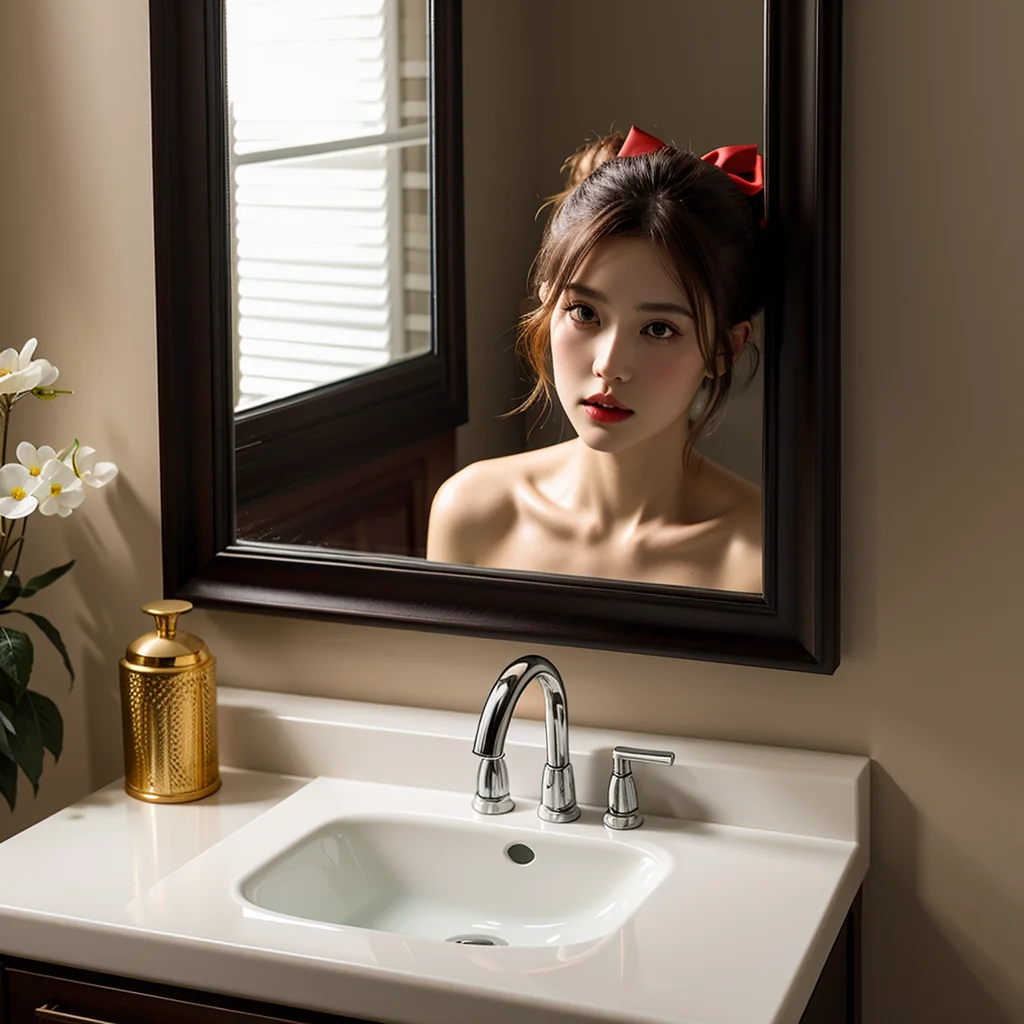
The coquette aesthetic is everywhere, from your TikTok feed to high-fashion runways. But this trend of lace, ribbons, and hyper-feminine charm is more than just a style. It's a complex psychological performance. We're cutting through the frills to explore what this persona might reveal about identity, desire, and modern self-presentation.
Beyond the Bow: Defining the Coquette Persona
At its core, the coquette aesthetic is a curated visual and behavioral language. It borrows from historical and literary figures—think Marie Antoinette's extravagance or Daisy Buchanan's elusive charm. The modern iteration is a digital collage of soft colors, delicate fabrics, vintage motifs, and an air of playful, knowing innocence. It's a performance of femininity that is both embraced and knowingly exaggerated. This isn't about passively being "girly." It's about actively choosing and assembling the symbols of girlishness. The aesthetic becomes a costume for a specific role: the coquette. This role is defined by flirtation, caprice, and a magnetic, often ambiguous, allure. The power lies in the tease, in the control of attention, and in the space between what is revealed and what is concealed. Understanding this style means looking past the surface decor to the psychological script it follows.
The Performance of Power & Paradox
Why would a modern, often feminist-leaning young adult adopt a persona rooted in historical male fantasy? The answer is in the paradox. Research on self-presentation suggests that adopting a persona can be an experiment in agency. The coquette aesthetic allows the wearer to engage with traditional femininity while simultaneously commenting on it. The hyperbole of the bows, the extreme sweetness, can itself be read as a critique—a reclamation through exaggeration. It asks: What if I wield these symbols of perceived weakness as a source of strength? What if my allure is my strategy, not my sentence? This ties into broader concepts of performativity, where identity is seen as a series of repeated acts. The coquette doesn't just wear pink; she performs "pinkness" with a wink. The potential pitfall, however, is the internalization of the role. When does the performance for others start to shape the self-perception? The power is in the curation, but the risk is in forgetting you are the curator.
What Research Says About Persona & Identity
Psychology doesn't have a "coquette theory," but it offers frameworks to understand the impulse behind aesthetic personas. Studies on social identity theory suggest that aligning with a subculture or aesthetic group fulfills core needs for belonging and distinctiveness. Adopting the coquette visual code signals membership in a community that values specific traits—romance, nostalgia, theatricality. Furthermore, research on self-concept indicates that our identities are multifaceted. We have different "selves" for different contexts. The coquette persona can be one such facet, a social self deployed in certain situations. Experts in digital identity have found that online self-presentation is often a "hoped-for possible self"—an idealized version one aspires to be. The highly stylized coquette feed may represent a desire for a life perceived as more beautiful, soft, or enchanting. However, it's crucial to note that studies also link overly curated online personas to increased anxiety and self-discrepancy stress when the offline self doesn't match the digital ideal. The aesthetic can be a playground for self-exploration, but it shouldn't become a cage.
Nostalgia, Escapism & the Longing for Softness
The coquette look is deeply nostalgic, pulling from Rococo art, vintage lingerie, and classic literature. This isn't accidental. Psychological research consistently shows that nostalgia is a potent emotional resource. It can combat loneliness, increase meaning, and provide a sense of continuity. In a chaotic, often harsh modern world, the coquette aesthetic constructs a personal universe of perceived gentility and romance. It is a form of escapism into a softer, more aesthetically ordered past—even if that past is largely fictional. The emphasis on "softness"—soft colors, soft fabrics, a soft life—can be interpreted as a reaction to a culture that often values hardness, productivity, and grit. It is a deliberate embrace of tactility, leisure, and beauty for its own sake. This semantic shift towards "softness" represents a broader cultural search for comfort and a rejection of toxic rigidity. The aesthetic becomes a sanctuary, a way to mentally opt out of pressures by dressing and behaving "as if" one is in a different, more delicate story.
Practical Application: Curating Your Persona with Intention
So, you're drawn to the lace and the fantasy. How do you engage with this or any aesthetic without losing yourself in the performance? First, audit your motivation. Is this style a joyful expression or a defensive costume? Are you playing with femininity, or are you hiding behind it? Second, practice discernment. Take the elements that resonate—the appreciation for beauty, the playfulness, the romance—and leave the parts that feel restrictive or inauthentic. Maybe it's the bows but not the capriciousness. Third, schedule "off-duty" time. Consciously step out of the persona. Who are you without the aesthetic signifiers? This isn't about rejecting the style but about ensuring you have a self that exists beyond it. Finally, use it as a mirror, not a mask. Let your exploration of the coquette aesthetic prompt deeper questions. What does my attraction to this specific type of allure say about my desires, my fears, or my view of power dynamics? An aesthetic is a powerful tool for self-discovery when you remember you are the one holding it.
The coquette aesthetic is a fascinating case study in modern identity. It wraps ancient scripts of flirtation and femininity in a TikTok-ready package. Its power lies in its intentionality. Its danger lies in its seductive simplicity. Ultimately, any aesthetic is a language. The question isn't just whether you like the vocabulary, but what you're truly trying to say.