

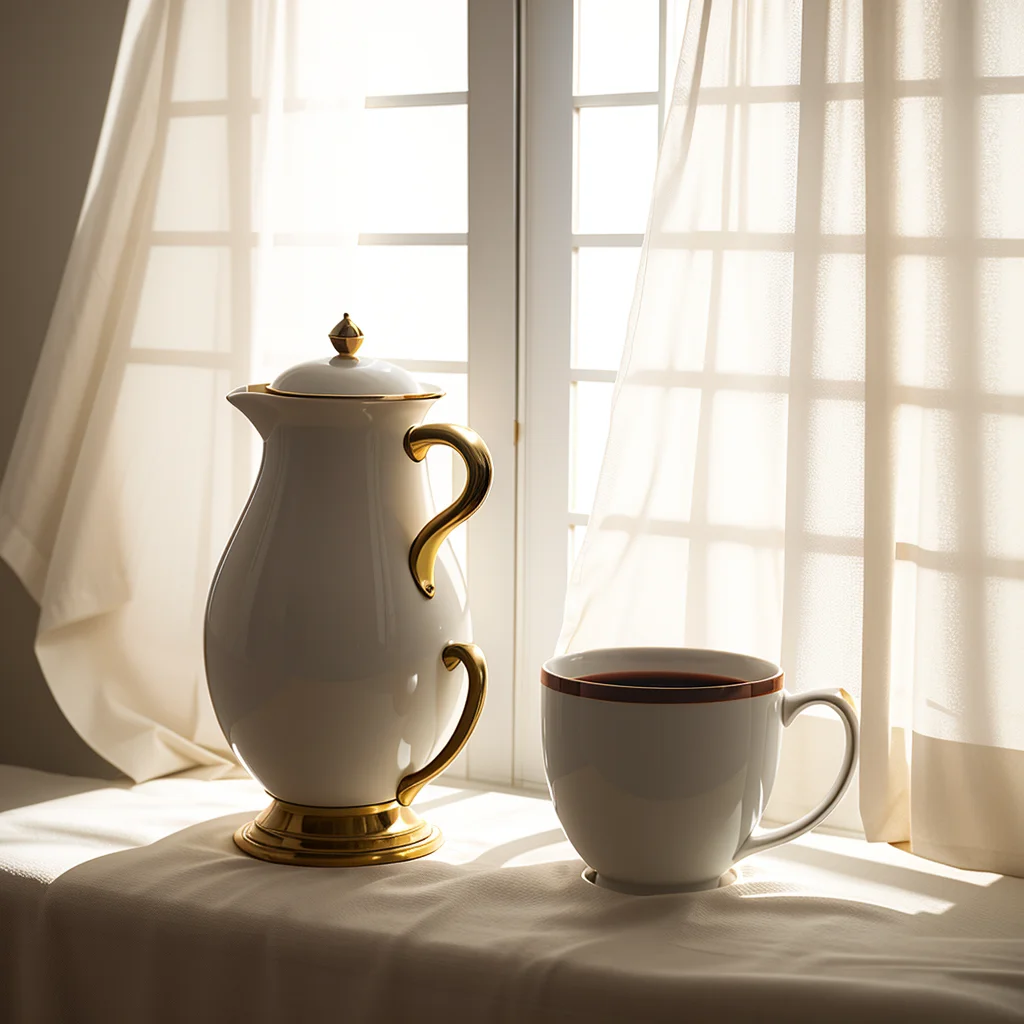
You've scrolled past it: the pastel palettes, the delicate florals, the whispered affirmations about self-care. The "soft girl era" is more than a fleeting TikTok trend; it's a cultural and psychological shift many are embracing as an antidote to modern burnout. But what's really happening when someone decides to "go soft"? Let's unpack the psychology behind the pastels.
Beyond the Bow: Defining the Soft Girl Ethos
At its core, the soft girl era is a conscious lifestyle and aesthetic movement centered on gentleness, both outwardly and inwardly. It's characterized by a visual language of soft fabrics, nostalgic or childlike elements (think hair bows, stickers, plush toys), and a palette that feels like a calming breath—lavenders, baby blues, creamy pinks. But to write it off as mere fashion is to miss the point. This phenomenon represents a deliberate rejection of "hustle culture" and performative toughness. It's about prioritizing emotional well-being, cultivating kindness, and seeking comfort in a world that often feels harsh and demanding. In many ways, it's a form of personal rebellion dressed in lace and cashmere.
The Psychology of Seeking Softness
So, why now? The rise of this gentle aesthetic isn't random. Psychologically, it can be seen as a collective coping mechanism. After years marked by global uncertainty, political polarization, and the constant, curated pressure of social media, the nervous system is begging for a break. Embracing a "soft life"—a key semantic variation of the trend—is a way to assert control over one's immediate environment and emotional state. It's about creating a personal sanctuary. The focus on tactile comforts (a fluffy blanket, a warm mug) and sensory pleasures (soothing music, gentle lighting) aligns with grounding techniques often used to manage anxiety. It's a tangible, daily practice of self-soothing.
What Research Says About Aesthetic Self-Expression
While there isn't a study specifically on "soft girls," psychological research offers insights into the behaviors at its heart. Studies on self-determination theory suggest that activities aligned with personal values—like creating a peaceful environment—can enhance feelings of autonomy and well-being. Furthermore, research on enclothed cognition indicates that the clothes we wear can influence our psychological processes. Wearing items we associate with comfort or kindness might subtly nudge our behavior and self-perception toward those states. Other studies on ritual and routine suggest that the deliberate, mindful practices common in this era (like a careful skincare routine or arranging a cozy reading nook) can provide a sense of predictability and calm, acting as a buffer against stress. It's important to note that this is an area of ongoing exploration, and individual experiences will vary widely.
Navigating the Shadow Side: Authenticity vs. Performance
As with any trend that gains momentum online, there's a potential pitfall: the performance of softness over the integration of it. The pressure to curate a perfectly pastel Instagram feed can ironically become another source of stress, contradicting the very ethos of gentle living. This is where the concept of the "quiet life"—another related phrase—diverges from mere aesthetics. True softness might sometimes be messy, quiet, and utterly offline. It's the internal work of setting boundaries, practicing self-compassion on a bad day, or saying "no" without guilt. The challenge is to use the aesthetic as a tool for genuine self-care, not as a new standard to fail to meet.
Your Soft Era, Your Rules: A Practical Guide
Interested in exploring what a gentle shift could look like for you? It doesn't require a full wardrobe overhaul. Think of it as incorporating micro-practices of softness. Start with sensory audit: where in your day can you add a moment of gentle stimulation? This could be swapping a jarring alarm tone for a gradual, melodic one, or keeping a particularly soft sweater at your desk. Next, consider your internal dialogue. The "soft girl era" is deeply tied to self-talk. Try swapping a critical thought for a kinder one, as if you were speaking to a friend. Finally, build a "comfort menu"—a short list of easily accessible activities that make you feel safe and replenished, like rewatching a favorite movie, organizing a shelf, or making a special tea. The goal isn't to become a different person, but to give your current self permission to seek and savor ease.
Ultimately, the soft girl era, in its truest form, is an invitation. It asks us to question the value of constant hardness and to consider the radical act of choosing tenderness—toward ourselves and our surroundings. Whether it manifests in your wardrobe, your decor, or simply in the tone of your thoughts, it's a reminder that in a hard world, softness is not a weakness, but a deliberate and often necessary strategy for preservation and joy.