

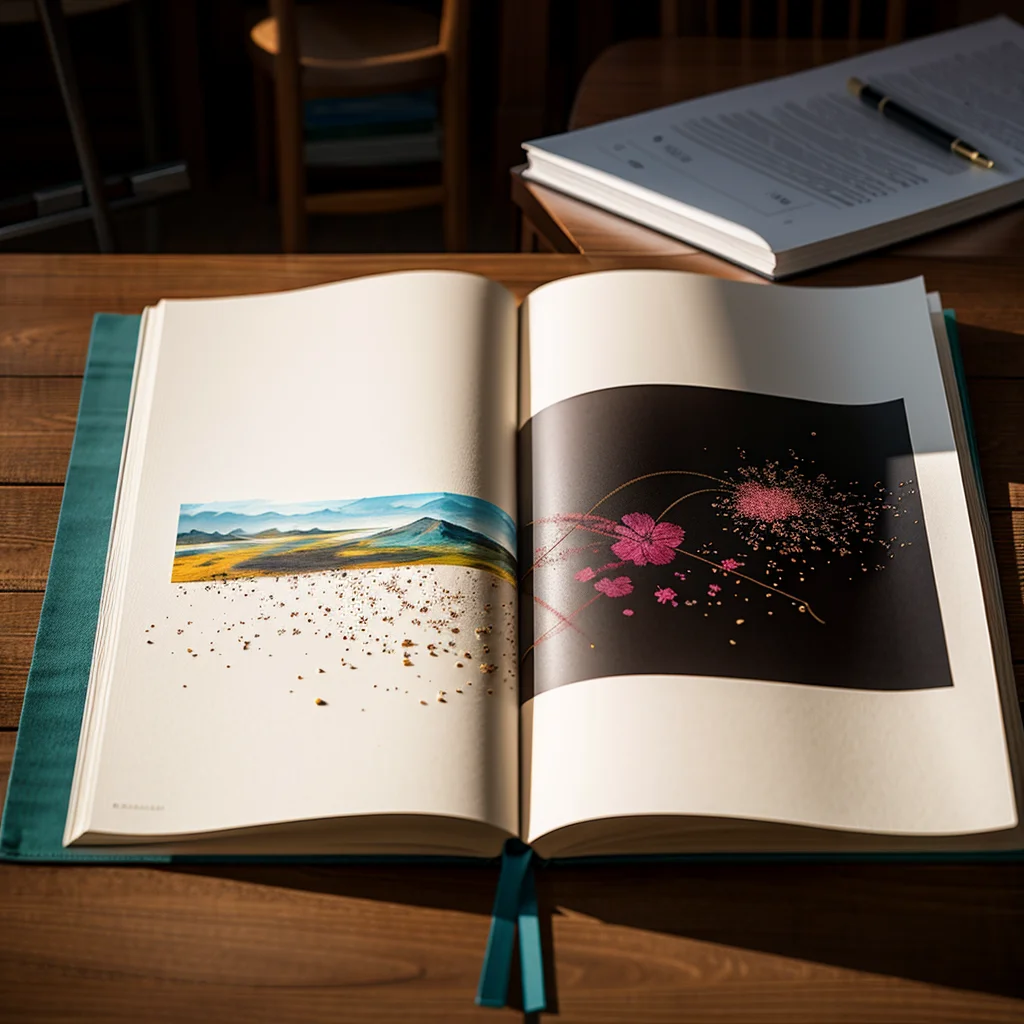
We all have that one friend whose Instagram feed is a perfectly curated mood board, a visual language that feels more "them" than their own voice. Most of us secretly scroll through these digital galleries, wondering what our own visual fingerprint would say about us. This isn't just about fashion or home decor; it's about the unspoken story we're telling the world and, more importantly, ourselves. This is the power of discovering your core aesthetics—it's less about what you like and more about why you're drawn to it. It's the visual vocabulary of your inner world.
Your Visual Comfort Zone Isn't an Accident
Think about the last time you felt deeply at peace in a space or utterly "yourself" in an outfit. That sensation isn't random. Research in environmental psychology suggests that our surroundings have a profound impact on our mood and cognition. The colors, textures, and objects we surround ourselves with can act as external anchors for our internal states. When we talk about personal style or a visual identity, we're often skimming the surface of a much deeper psychological need. That pull toward minimalist lines, chaotic maximalist patterns, or rustic, earthy tones? It's often a non-verbal expression of a core need—for order, for stimulation, for grounding. Your aesthetic preferences are a map, and the territory they chart is your psyche.
Decoding the Symbols: What Your Drawn-To Images Really Mean
Let's get practical. Start by looking at your saved folders, your Pinterest boards, even the tabs you have open right now. Don't judge them as "good" or "bad" taste. Just observe. Do you keep saving images of vast, open landscapes? Studies on personality and environment indicate a connection between a preference for natural vistas and traits like openness to experience and a desire for freedom. Are you drawn to dark academia libraries with worn leather and dim lamplight? This might speak to a value placed on knowledge, history, and introspective depth. A collection of bright, pop-art-inspired graphics could signal a playful spirit and a need for joy and immediacy. This process of aesthetic self-inquiry isn't about boxing yourself into a trend category like "cottagecore" or "dark academia." It's about identifying the recurring emotional and symbolic themes. What feeling does each image promise? Safety? Adventure? Mystery? Belonging? The feeling is the clue.
When Your Aesthetics Clash: The Duality of Desire
Here's where it gets real. You might have one board full of serene, all-white minimalist apartments and another bursting with vibrant, patterned maximalism. This internal conflict isn't a sign you don't know yourself; it's evidence of your complexity. Many experts in personality psychology believe we contain multitudes—competing needs and values that surface in different contexts. The minimalist in you might crave clarity, control, and mental space, especially after a chaotic day. The maximalist might represent your hidden desire for abundance, expression, and sensory richness. Instead of forcing a choice, ask: Which part of me needs to be expressed right now? Your wardrobe or living space doesn't have to be monolithic. It can be a dialogue. Perhaps you need a minimalist workspace for focus and a maximalist corner for creative play. Honoring your core aesthetic spectrum means making room for all the parts of you.
From Pinning to Living: Making Your Outer World Match Your Inner One
This is the actionable step. It's one thing to know you love the goblincore aesthetic of moss, mushrooms, and forgotten treasures. It's another to let that influence your life. You don't need to move into a forest. You can start by integrating the core value—a connection to nature, curiosity, and a touch of the whimsical—into your daily routine. It could be a weekly walk where you photograph interesting textures, a houseplant that feels delightfully odd, or choosing ceramics with organic, imperfect shapes. The goal is intentional alignment, not a perfect replica of a Pinterest board. Look at your identified themes. If "calm" is a theme, where can you introduce one element of soft texture or muted color? If "energy" is a theme, where can you add a single piece of art with dynamic movement? Small, consistent actions to align your environment with your internal values are more powerful than a single, overwhelming overhaul. This is how your personal visual language becomes lived experience.
The Liberating Truth: Your Aesthetics Are Allowed to Evolve
The most empowering insight in this journey is that your core visual language is not a life sentence. It's a conversation. As you grow, learn, and experience new things, the images that resonate will shift. The "light academia" phase in your twenties might give way to a more "coastal grandmother" sensibility in your thirties, not because you're following a trend, but because your values around comfort, ease, and relaxation have come to the forefront. The key is to stay curious. Periodically revisit your saved images. What feels stale? What new thing is pulling at you? This evolution isn't inconsistency; it's growth. Your aesthetics are the mirror reflecting your current inner landscape, and that landscape is meant to change.
So, we end not with a definitive label, but with an invitation. Look at your collections not as a destination ("This is my style") but as a compass. They point toward what you find beautiful, meaningful, and nourishing right now. The work isn't about achieving a perfectly curated existence that fits a TikTok trend. The work is in the asking: Does this space, this object, this outfit make me feel more like me? Does it support the person I am becoming? When we move from passive consumption to active creation based on our authentic visual drivers, we do more than decorate a room or build a wardrobe. We build an external world that honors, supports, and reflects the intricate, ever-changing person within. That is the true purpose of understanding your core aesthetics—it's the art of becoming your own home.