

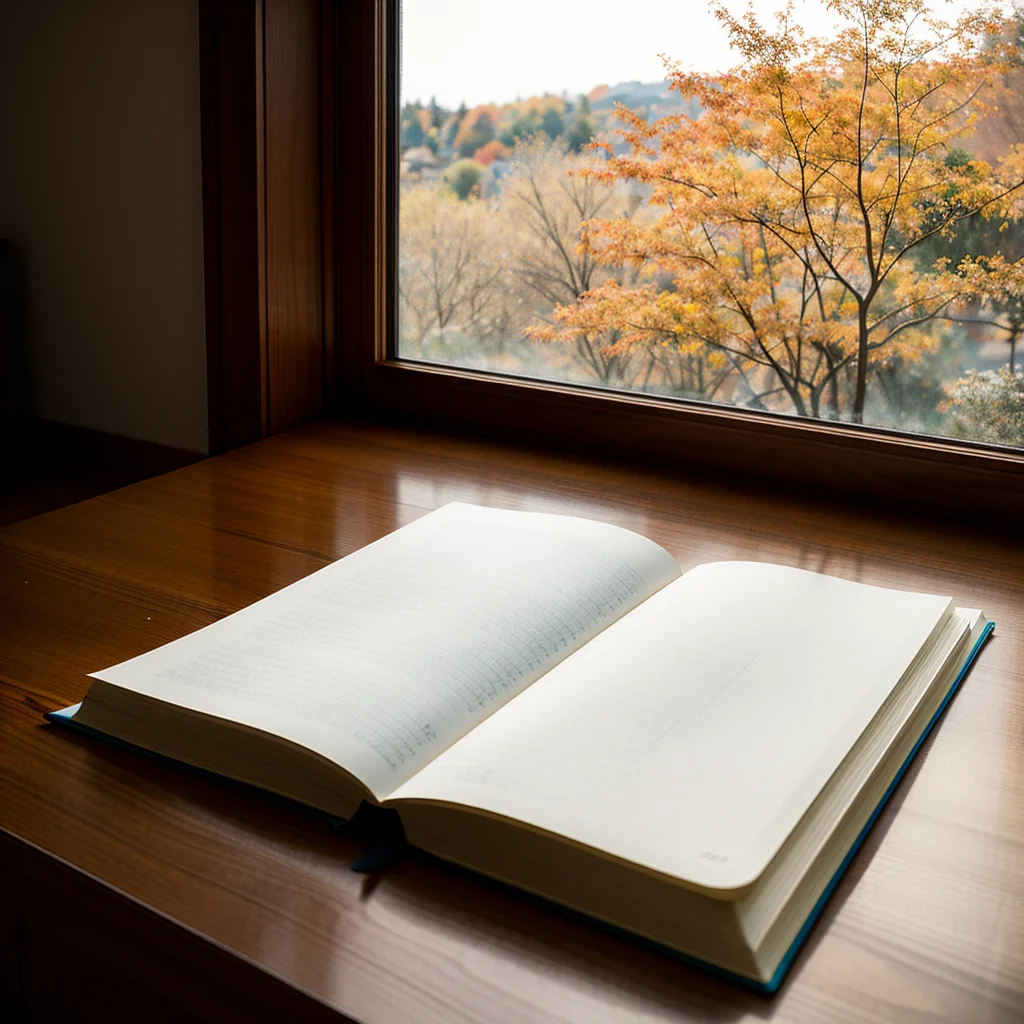
Sad Girl Autumn Isn't Just a Mood, It's a Mirror
As the leaves turn and the air gets crisp, the "sad girl autumn" aesthetic blooms across our feeds. It's a vibe of cozy melancholy, soft sweaters, and introspective playlists. But what if this seasonal feeling is less about being "sad" and more about a profound, shared human experience? Let's unpack the myths and realities of this cultural moment, moving beyond the stereotype to understand the psychology of seasonal reflection.
Myth: Sad Girl Autumn is just performative sadness for social media.
Reality: While the aesthetic has been amplified online, the core feeling it points to is deeply rooted in human psychology and biology. The shift from summer to autumn brings tangible changes—shorter days, less sunlight, and a natural slowing down in the environment. Research suggests these shifts can significantly impact our circadian rhythms and neurotransmitter levels, particularly serotonin, which regulates mood. What gets labeled online as "sad girl autumn" might actually be a heightened awareness of this internal, biological transition. It's not necessarily about manufacturing sadness for likes; for many, it's an authentic, somatic response to the season. This inward turn can be a form of emotional processing, a time to sit with feelings that the busyness of summer allowed us to ignore.
Myth: It's exclusively a "girl" thing.
Reality: The gendered label is perhaps the most limiting part of the trend. The experience of seasonal melancholy, introspection, and a desire for comfort is universal. Framing it as a feminine experience can discourage people of other genders from acknowledging these very valid feelings. Psychology shows that emotional experiences are not gendered. The cultural packaging might be, but the content—the human response to change, the need for reflection, the comfort found in soft textures and warm drinks—is a human one. By expanding our view beyond "sad girls," we can see "sad girl autumn" for what it often is: a collective, seasonal sigh. It's a permission slip for anyone to embrace a slower, more contemplative pace without judgment.
Myth: It glorifies and romanticizes depression.
Reality: This is a crucial distinction. There's a vast difference between a temporary, situationally influenced low mood—which can be a healthy part of the emotional spectrum—and clinical depression, which is a persistent medical condition. The "sad girl autumn" aesthetic often touches on the former: a poetic, transient melancholy. It can be a way to aesthetically frame and thereby make sense of passing feelings of loneliness, nostalgia, or uncertainty. However, it's vital not to conflate the two. If a low mood persists for weeks, impacts daily functioning, or includes feelings of hopelessness, it's important to seek support from a qualified professional. The "reality" is that the trend might help some people name and normalize fleeting sadness, but it should never be mistaken for a substitute for mental healthcare.
Myth: It's a passive, wallowing state.
Reality: Look closer. The typical "sad girl autumn" tableau isn't just someone staring blankly out a window. It's someone reading a book, writing in a journal, taking a long walk, or making art. These are active, often restorative, practices. Psychologists often refer to "rumination" (repetitive, passive dwelling on problems) as unhelpful, but "reflection" (active, purposeful thinking aimed at understanding) can be a cornerstone of emotional growth and self-discovery. The autumn atmosphere can provide the perfect backdrop for this kind of active reflection. It's less about wallowing in sadness and more about using the quiet of the season to process, create, and prepare for a new cycle. It's a form of emotional hygiene.
Beyond the Aesthetic: Your Seasonal Check-In
So, where does this leave us as the world turns gold and grey? Instead of simply buying into or dismissing the "sad girl autumn" trope, use it as a prompt for your own seasonal self-inventory. Ask yourself: What is this slower pace inviting me to feel or reconsider? Does my body or mind need more rest, more creativity, or more connection right now? Your autumn doesn't need a label. It just needs your attention. Whether you're feeling the pull of cozy introspection or not, this season offers a natural pause—a chance to listen to your internal weather, without judgment, and decide what you need to nurture yourself through the turn of the year.