

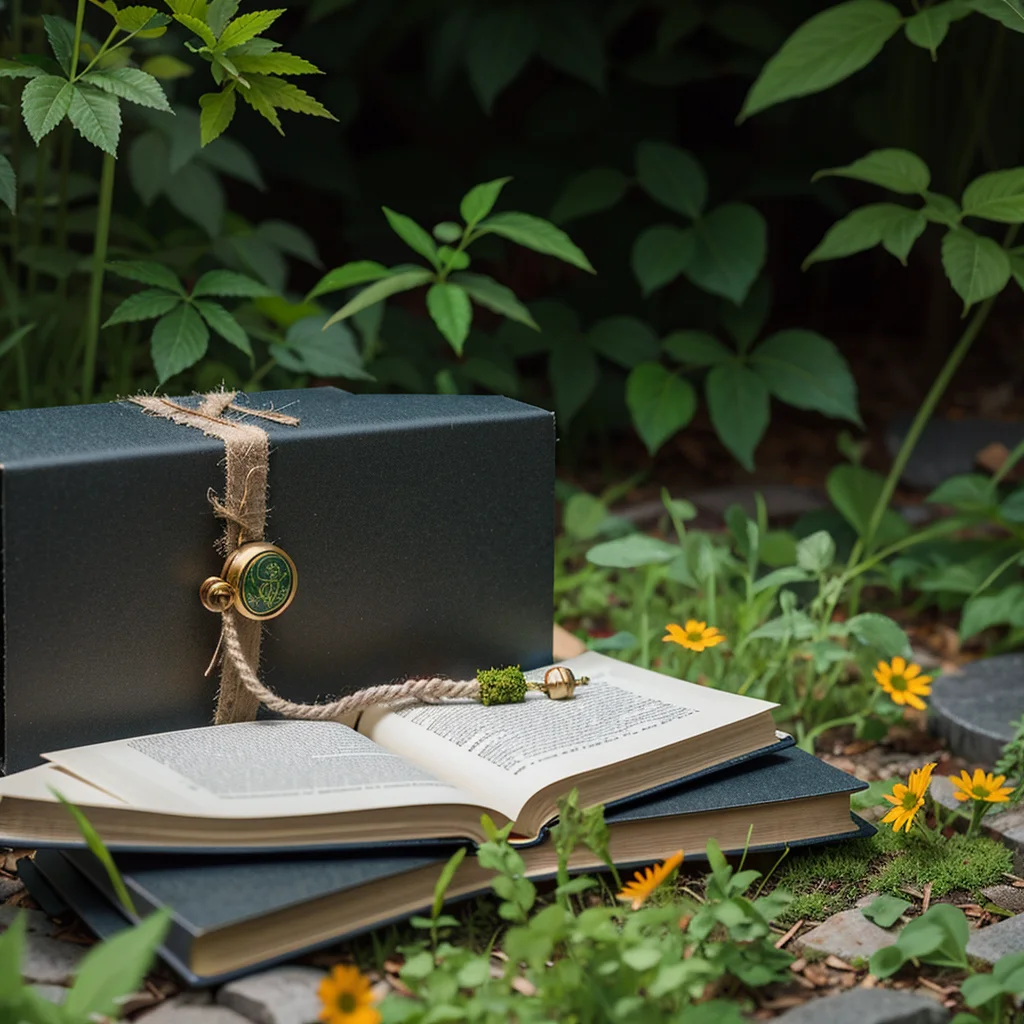
Ever feel like your Pinterest board is trying to tell you something? Your obsession with dark academia or cottagecore isn't just about pretty pictures—it's a window into your deeper self. Understanding your core aesthetics can be a surprisingly insightful tool for self-discovery, revealing patterns in your values, desires, and how you navigate the world. Let's decode the psychology behind your visual vibe.
Why do I feel such a strong pull toward a specific aesthetic, like dark academia or goblincore?
It's not just about looking cool (though that's a bonus). Research suggests our attraction to specific visual and thematic styles often mirrors our inner psychological landscape. A personal aesthetic can act as a symbolic container for our values, aspirations, and even unmet needs. For instance, someone drawn to "cottagecore" might be yearning for simplicity, connection to nature, or a sense of cozy security in a chaotic world. Meanwhile, "dark academia's' appeal might resonate with a love for deep knowledge, romanticism, and a touch of melancholy drama. Think of it as your psyche's mood board. These aesthetics provide a ready-made identity toolkit—a set of symbols, narratives, and atmospheres that help articulate feelings we might not have words for. It's a form of self-expression that borrows from collective visual languages to say something uniquely personal.
Why do my favorite aesthetics sometimes feel contradictory, like loving both minimalist and maximalist styles?
Welcome to being a complex human being! You are not a brand; you're a person with multitudes. Having seemingly conflicting style identities is incredibly common and points to the different facets, moods, and contexts of your life. Psychology often discusses the concept of the "self-concept," which isn't a single, fixed thing but a collection of different selves. You might have a professional self that thrives on clean, minimalist efficiency (a corporate or techwear aesthetic) and a private, creative self that needs vibrant, chaotic stimulation (a chaotic maximalist or art hoe vibe). This isn't inconsistency—it's adaptability. These contradictions can also reflect internal dialogues or tensions. Perhaps your love for "light academia" speaks to your optimistic, scholarly side, while your affinity for "cyberpunk" elements channels your critique of modern society or your futuristic anxieties. The blend is where your unique personality lives.
Why does seeing someone else with "my" aesthetic sometimes trigger envy or irritation?
Oof, felt that. When an aesthetic feels deeply personal, seeing it on someone else can feel like an identity trespass. This reaction often ties into our need for uniqueness and authentic self-expression. If you've carefully curated an aesthetic as an external signal of your internal world, someone else adopting it can feel diluting, like they're copying your personality's homework. From a social psychology perspective, this touches on in-group/out-group dynamics. An aesthetic can create a sense of tribe and belonging. When someone from outside the perceived "tribe" adopts the symbols, it might trigger a defensive "they don't *really* get it" response. It's worth asking yourself: is the irritation about them, or is it about your own fear that your mode of self-expression isn't unique enough? Remember, aesthetics are shared cultural languages. Two people can speak the same language (wear the same style) and tell completely different stories.
Why do I sometimes get bored of my core aesthetic and feel the need to completely reinvent my vibe?
This is a sign of growth, not fickleness. Our identities are not static; they evolve as we have new experiences, overcome challenges, and enter different life stages. The aesthetic that fit your "university philosopher" self might feel constraining to your "emerging professional" or "post-heartbreak reinventor" self. This shift can be a visual manifestation of psychological development. Boredom with an old aesthetic might indicate that you've integrated the values or fulfilled the needs that style represented. Maybe the "cottagecore" phase provided the comfort you needed, and now you're ready for the confidence of a "old money" or "quiet luxury" aesthetic. It's a process of shedding old skins. Treat these reinventions not as failures to commit to one look, but as chapters in your ongoing story. Your visual persona is allowed to have a plot arc.
Can leaning into a core aesthetic actually improve my wellbeing?
There's compelling reason to believe it can, within a framework of self-awareness. The act of curating a personal style universe is, in itself, a creative and mindful practice. It requires self-reflection: What images spark joy? What textures feel comforting? What narratives inspire me? This process can boost agency and self-efficacy. Furthermore, environmental psychology suggests our surroundings significantly impact our mood and cognition. Intentionally bringing elements of your aesthetic into your physical space—through decor, organization, or even lighting—can create an environment that feels authentically "you," potentially reducing stress and increasing feelings of sanctuary. However, the key is flexibility. If an aesthetic becomes a rigid cage of "shoulds" ("I must only wear beige because I'm a minimalist"), it loses its psychological benefit. The goal is to use the aesthetic as a servant to your self-expression, not a master of it.
So, the next time you fall down a visual rabbit hole, know you're doing more than just browsing. You're engaging in a modern form of self-inquiry. Your core aesthetics are less about what you want to buy, and more about what you value, who you've been, and who you're becoming. Pay attention to the patterns, embrace the contradictions, and let your style be a playful, evolving conversation with yourself.