

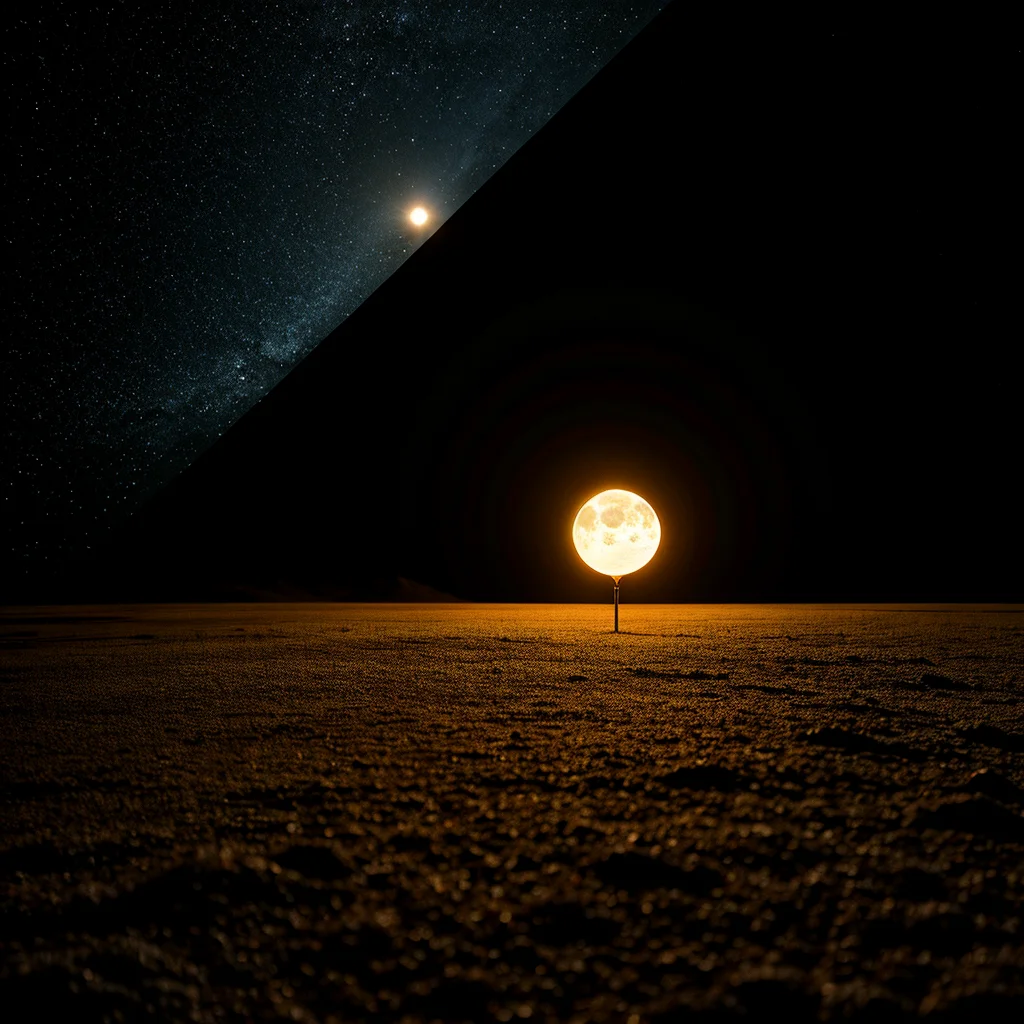
We all have that one friend. The one whose Instagram bio shifts from "sunshine & good vibes" to "currently in my hermit era" the moment the first leaf falls. Their stories become a montage of moody playlists, black-and-white selfies, and cryptic quotes about rebirth. They're not just having a bad day; they're announcing their winter arc. It's the seasonal performance of deep, introspective transformation that seems to hit right as the temperature drops. But what are we really doing when we lean into this narrative? Is it a genuine psychological reset, or just a socially acceptable way to be sad when it's cold? Let's be honest with ourselves.
The Aesthetic of the Seasonal Slump
Let's start with the look. The winter arc isn't just a feeling; it's a full aesthetic package. It's the oversized sweaters that feel like emotional armor. It's switching your morning iced coffee for a mug of something herbal and vaguely medicinal. It's the curated "for when you're feeling pensive" playlist that hasn't been updated since 2018. We perform this shift with a kind of dramatic flair, as if we're the main character in a limited series about finding oneself. Research suggests there's a real biological basis for seasonal mood changes—the lack of sunlight can genuinely affect our circadian rhythms and serotonin levels. But the winter arc takes that biological nudge and turns it into a storyline. We're not just experiencing Seasonal Affective Disorder; we're embodying a trope. We're choosing the soundtrack for our own montage of staring out rain-streaked windows.
From Hibernation to "Her-mitation"
The core activity of any good winter arc is the retreat. Social plans are declined with a vague, "I'm just really focusing on myself right now." The couch becomes a fortress. We consume media about people who are also alone and thinking deeply—it's a meta-experience. This period of self-imposed isolation, or what we might call a "seasonal reset," can sometimes be a healthy response to the overstimulation of other times of the year. Many experts believe that periodic withdrawal is a natural part of the human cycle, allowing for processing and integration. The problem arises when the hibernation isn't restorative but performative. Are we actually reflecting, or are we just scrolling through our own sadness, documenting its "aesthetic" for an audience? The line between necessary solitude and wallowing in a self-made echo chamber can get dangerously thin when the primary goal is to fit a narrative rather than to heal.
The Pressure of the "New Year, New You" Pipeline
This is where the winter arc gets tangled with the tyranny of January 1st. Our culture has built a conveyor belt that takes us directly from "thoughtful autumn reflection" to the relentless optimism of New Year's resolutions. The quiet, dark introspection of December is suddenly supposed to crystallize into a 12-point life plan by January 2nd. The internal narrative flips from "I am a complex soul navigating darkness" to "I must become a productivity guru who meditates, journals, and meal-preps." This pivot can feel jarring and inauthentic. It turns a potential period of genuine, slow self-discovery into a pressurized project with deliverables. If your winter arc doesn't result in a measurable "glow-up," did it even count? This pressure can undermine the very purpose of slowing down, making the entire seasonal shift feel like just another item on a self-optimization checklist.
When the Arc Becomes a Rut
Here's the gentle roast we all need: sometimes, what we call a "transformative winter phase" is just a fancy label for getting stuck. We mistake melancholy for depth and inaction for introspection. We buy the journals but don't write in them. We save the articles about "healing your inner child" but never actually sit with the uncomfortable feelings. The arc becomes a loop—the same sad songs, the same complaints about the weather, the same cycle of wanting change but fearing the effort it requires. Psychology tells us that rumination, the act of repetitively going over the same thoughts without forward movement, is closely linked to worsened mood. A perpetual winter mindset, this extended period of cold-weather contemplation, can sometimes be a beautifully decorated trap. It feels deep because it's heavy, but heaviness isn't the same as growth.
Finding the Real Seed in the Seasonal Story
This isn't to say the impulse behind the winter arc is entirely fabricated. The metaphor is powerful for a reason. Winter in nature is a time of dormancy, of conserving energy, of things happening beneath the surface. A seed doesn't sprout in February; it waits, gathers strength, and transforms in the dark. Our longing for a winter arc might be an intuitive pull toward that same cyclical rhythm in a world that demands constant summer from us. The key is to move from performance to practice. Instead of announcing your arc, just live it quietly. Let the reflection be messy and un-photogenic. Allow the "transformation" to be small, internal, and on its own timeline, not one dictated by the calendar or social media trends. The real work of a cold-weather reset often isn't dramatic; it's the quiet decision to go to therapy, to set one simple boundary, to forgive yourself for something, or to simply rest without an agenda.
The Thaw is the Hardest Part
Perhaps the most challenging phase of any genuine winter arc isn't the depth of winter itself, but the eventual, inevitable thaw. When the days get longer and the world expects you to re-emerge, bright and renewed. What if you don't feel "fixed"? What if the transformation was subtler than you hoped? The pressure to present a clean, packaged version of your growth can make the whole process feel fraudulent. But true change is rarely a neat before-and-after photo. It's more often a slow integration, a carrying forward of a little more self-knowledge, a slightly softer edge, a bit more patience with your own rhythms. Your arc doesn't need a triumphant third-act reveal. Its value is in the quiet knowing it leaves behind—the understanding that you can navigate your own darkness and that spring, when it comes, will find you exactly as you are, which is always enough.