

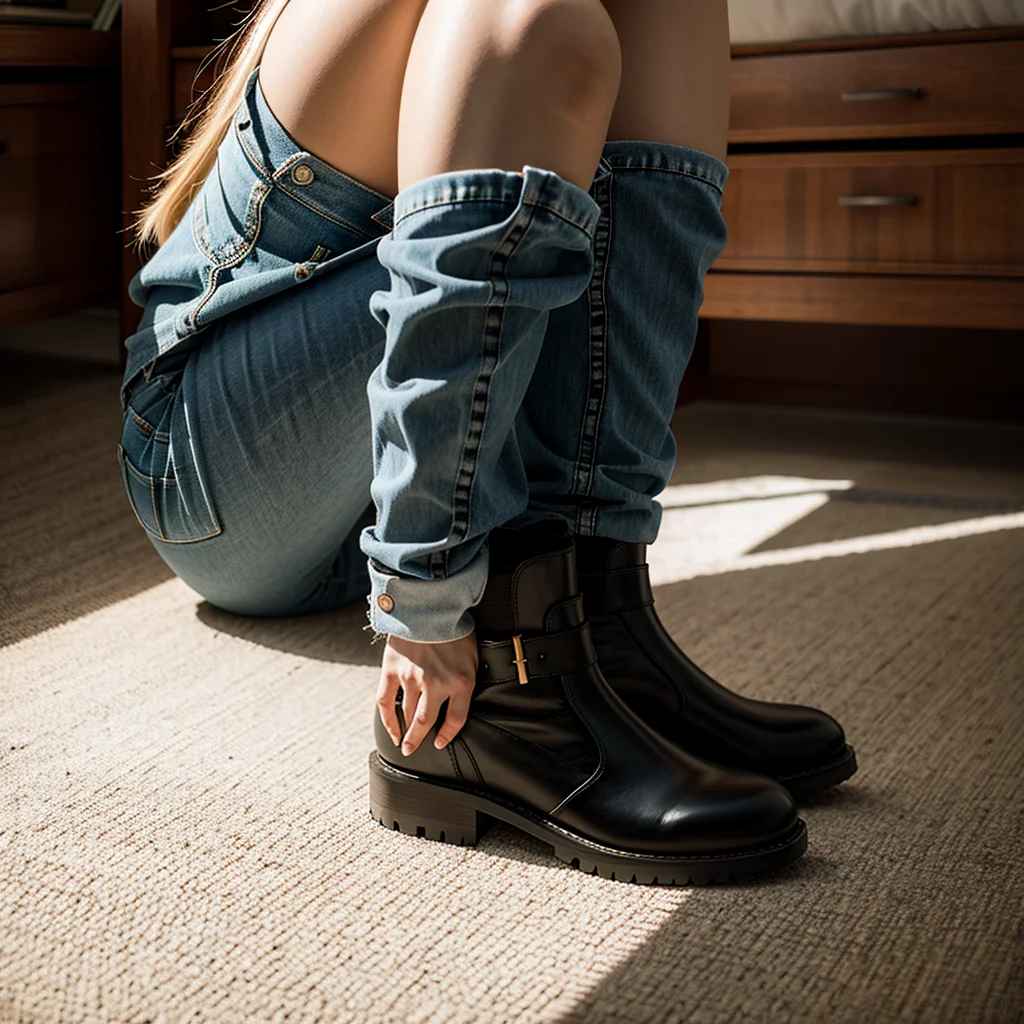
Ever put on a ridiculously bright outfit on a gloomy Tuesday and felt an inexplicable surge of "I can do this" energy? That's not just confidence, it's the science of dopamine dressing in action. This trend is all about using color, texture, and personal style to hack your brain's reward system, turning your wardrobe into a tool for mood elevation and self-expression. It's the secret reason why that loud sweater feels like a personal pep talk.
Why do I feel instantly cooler in a leather jacket, even if I'm just going to the grocery store?
Let's be real, you're not buying avocados, you're starring in a low-budget indie film where the protagonist has a profound realization by the organic kale. This is the core magic of mood-based fashion. Research in embodied cognition suggests that what we wear can influence how we think and feel. That leather jacket isn't just outerwear; it's a costume for a more assertive, resilient version of yourself. The tactile sensation, the weight, the subtle sound it makes—it all sends signals to your brain that you're someone who handles things. It's less about the errand and more about embodying a vibe that makes the mundane feel intentional, even cinematic. So yes, you are cooler, because you decided to be.
Why does wearing all black feel like a psychological shield on bad days?
On days when your emotional bandwidth is running on 2%, reaching for a monochrome, often dark, outfit is the sartorial equivalent of putting up a "Do Not Disturb" sign. It's a non-verbal cue, both to the world and to yourself, that you're in conservation mode. While dopamine dressing is often associated with vibrant color, the principle works in reverse, too. Choosing a simplified, uniform, or dark palette can reduce decision fatigue and create a sense of calm control. It minimizes visual noise, allowing you to retreat into your own headspace. Think of it as emotional armor—not because you're going to war, but because you need a quiet, defined boundary to navigate the day. It's less "I'm mysterious" and more "I am conserving spoons, please direct all inquiries to my neutral-toned aura."
Why do I buy clothes for a "future me" who is way more put-together than current me?
That silky slip dress hanging in your closet with the tags still on isn't just fabric; it's a futures contract on your personality. You're not buying a dress; you're investing in the idea of a you who attends gallery openings and laughs with a perfectly timed, witty remark. This behavior taps into something psychologists call "enclothed cognition," where the symbolic meaning of clothing affects the wearer. The "future me" garment is a tangible placeholder for aspiration. It's a visual mood board for the life you want. The trick, experts suggest, is to start integrating these pieces now, even in small ways. Wear that "special" top to a casual brunch. The act of wearing it begins to bridge the gap between your current and aspirational self, making that confident, put-together person less of a future concept and more of a present reality.
Why does a great outfit sometimes fix a bad mood faster than actual therapy?
Let's be clear: a sequined blazer is not a substitute for professional mental health care. But can a strategic outfit shift provide a quick, accessible emotional reset? Many people report that it can. This is the essence of dopamine dressing—the deliberate choice of attire to spark joy, confidence, or calm. When you choose a "feel-good" outfit, you're engaging in an act of self-care and agency. You're actively rejecting the drab mood and opting for sensory stimulation—a bold color, a fun texture, a favorite piece—that can trigger a positive neurochemical response. It's a form of behavioral activation, a small, manageable action that can break a negative cycle and make you feel in control. It fixes nothing permanently, but it can be the catalyst that makes the next step, like reaching out to a friend or tackling a problem, feel more possible.
Why do I feel a weird sense of loss when a favorite, personality-defining item wears out?
Mourning a worn-out pair of perfect jeans or a discontinued graphic tee isn't materialistic; it's existential. That item became part of your personal uniform, a reliable tool in your identity-construction kit. Over time, clothes absorb our experiences—the concert you wore it to, the job interview you aced in it, the lazy Sundays it witnessed. When it's gone, it feels like losing a chapter of your autobiography. This attachment underscores how deeply intertwined our clothing choices are with our sense of self. The practice of expressive dressing, or using fashion as a creative outlet, means certain pieces become synonymous with specific eras of our lives. Letting go can feel like closing that chapter. The empowering takeaway? It proves your style is alive and evolving. The loss creates space for the next defining piece that will tell the story of who you're becoming.
So the next time you stand in front of your closet, remember: you're not just picking clothes, you're curating an experience and choosing the character you want to play in today's story. Whether it's armor, a celebration, or a quiet promise to your future self, your wardrobe is one of the most accessible tools for self-expression and emotional navigation you own. The question isn't just "What do I want to wear?" but "How do I want to feel?" Start there, and let the fabric follow.