{
"title": "Relationship Anxiety: The Quiet Fear Sabotaging Your Love Life & How to Stop It",
"content": "
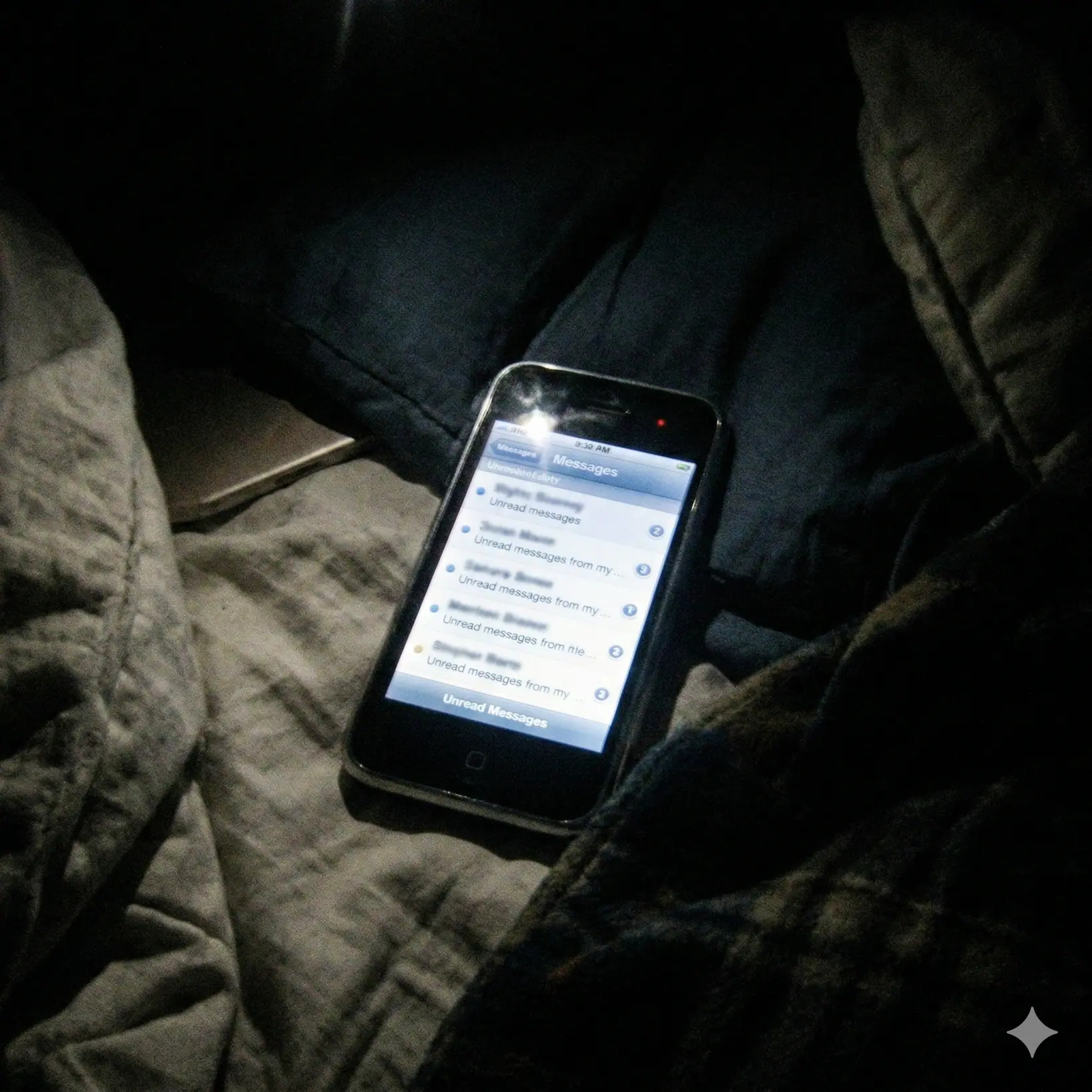
We all have that one friend who texts us at 2 a.m. because their partner's 'K' felt colder than a 'Okay!'. Most of us secretly know the feeling. That gnawing, buzzing worry in the pit of your stomach when things are actually... good. This is the shadow dance of relationship anxiety, a common but often unspoken experience that can make love feel like a minefield instead of a sanctuary. It's the art of overthinking a text, the science of catastrophizing a quiet evening, and the exhausting full-time job of trying to read a heart that might just be... content. If you've ever felt a surge of panic over perceived distance or invented a future breakup in your mind, you're not broken\u2014you're human, and this is your starting line.
The Anatomy of a Worried Heart: What Are We Really Afraid Of?
Let's pull up a chair and sit with the discomfort for a moment. This pervasive sense of unease in partnerships often isn't about the person sitting across from us at dinner. Research suggests it's frequently a ghost from our past, whispering old stories into our present. It might be the echo of an attachment style formed in childhood, where consistency was a luxury. It could be the residue of a past betrayal, where trust became a high-stakes gamble. Many experts believe this anxious preoccupation is a protective mechanism\u2014a hyper-vigilant inner guard trying to spot danger before it strikes, to avoid the pain of abandonment or rejection it's known before. The problem is, this guard often can't tell the difference between a real threat and the normal, healthy ebbs and flows of intimacy. It sounds the alarm for a delayed reply just as loudly as it would for a genuine act of deceit, leaving us emotionally exhausted and perpetually on edge.
From Overthinking to Overacting: The Self-Sabotage Cycle
This is where the theoretical fear becomes a practical problem. The anxiety doesn't just live in our heads; it demands action. It compels the 'check-in' text that morphs into an interrogation. It fuels the need for constant reassurance, which can feel smothering to a partner. It pushes us to pick fights over minor issues, creating the very drama we're terrified of, just to feel a sense of control or to 'test' the bond. Studies indicate this cycle is a core feature of relationship anxiety: the fear of loss triggers behaviors that ironically push our partners away, which then confirms our deepest fear (\"See? I knew they were leaving\"), reinforcing the entire painful loop. We become architects of the abandonment we're trying to avoid, all while believing we're just 'being careful with our heart.'
Is It Anxiety or Intuition? Learning to Decode Your Inner Signal
This is the million-dollar question that keeps us up at night. The line between a genuine gut feeling and an anxiety-fueled fabrication can feel impossibly thin. The key, many therapists suggest, lies in the quality of the signal. Anxious thoughts are often future-based, catastrophic, and repetitive (\"What if they cheat? What if they stop loving me?\"). They thrive on hypotheticals and lack concrete evidence. Intuition, on the other hand, tends to be more present-moment, calm, and specific. It's a quiet knowing based on observed patterns of behavior, not imagined scenarios. A helpful practice is to pause and ask: \"Is this feeling based on something they actually did, or something I'm afraid they might do?\" Grounding yourself in the factual reality of your partner's actions, not the fictional horror movie your mind is screenwriting, is a revolutionary act of self-care.
Tools for the Anxious Attacher: Building Security From the Inside Out
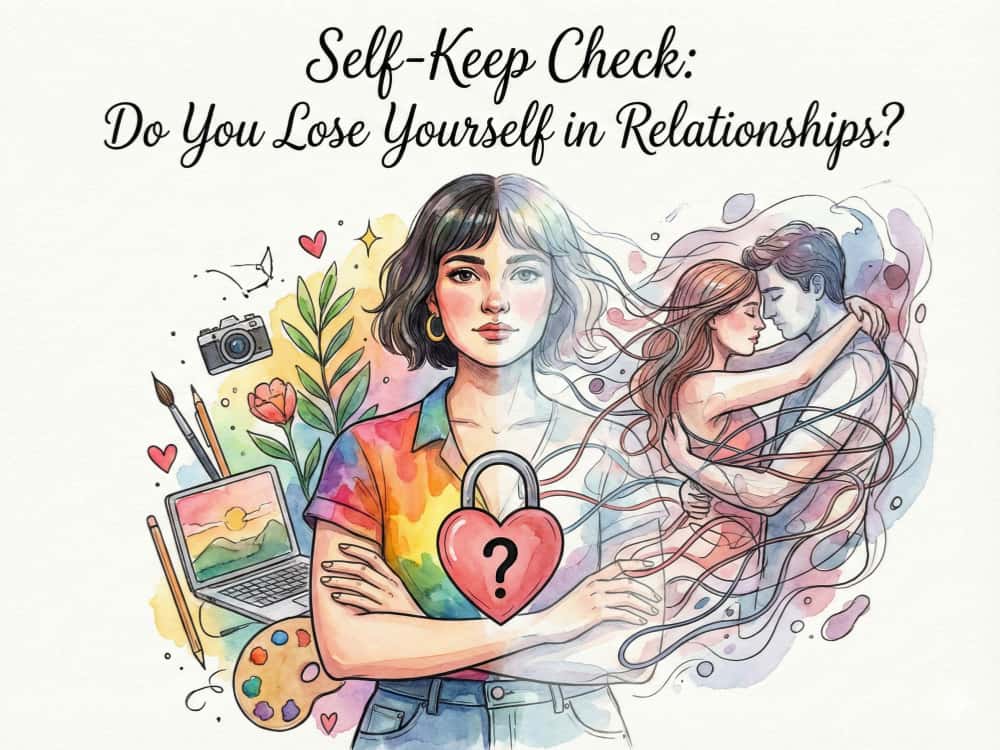
Waiting for a partner to 'fix' our anxiety is a recipe for resentment. The real work, the empowering work, is internal. It starts with radical self-awareness. Notice the physical sensations of anxiety (the tight chest, the quickened breath) without immediately attaching a story to them. Just observe. Next, practice self-validation. Tell yourself, \"It makes sense I feel this way, given my history. This feeling is uncomfortable, but it is not dangerous, and it will pass.\" Challenge the catastrophic thoughts with logic: \"They are out with friends. This does not mean they are leaving me. I have no evidence of that.\" Develop a life outside the relationship\u2014hobbies, friendships, goals\u2014so your sense of worth isn't held hostage by one person's attention. This builds an internal foundation of security that no external event can easily shake.
The Courage of Calm: Redefining Love Without Fear
Here is the quiet, powerful truth we've been moving toward: love is not a frantic grasping. It is not a constant performance review or a desperate attempt to secure a guarantee. Research into healthy, secure attachments shows that love, at its best, is a chosen calm. It is the ability to sit in silence without needing to fill it with questions. It is trusting that a space between you is not a chasm, but room for you both to grow. It is understanding that your partner is a separate, whole person with their own inner world\u2014not a character in your anxiety narrative. Cultivating this doesn't mean you'll never worry again. It means you learn to witness the worry without letting it drive the car. You acknowledge the scared part of you, thank it for trying to protect you, and then gently choose a different, more trusting thought. You move from asking, \"Do they love me enough?\" to stating, \"I am capable of loving and being loved, with all my imperfect, anxious humanity.\" That shift, from fear-based interrogation to a foundation of self-worth, is where real connection begins. It's where we stop managing a crisis and start building a home.
"imagePrompt": "A single, pristine white ceramic heart held in a cupped hand, with fine, hairline cracks glowing with a soft, warm amber light from within. The background is a deep, serene charcoal grey, with subtle textures of raw silk. The mood is vulnerable yet powerful, representing fragility, inner strength, and the beauty of imperfect wholeness. Modern editorial photography with dramatic, soft-focused lighting."
}
```