

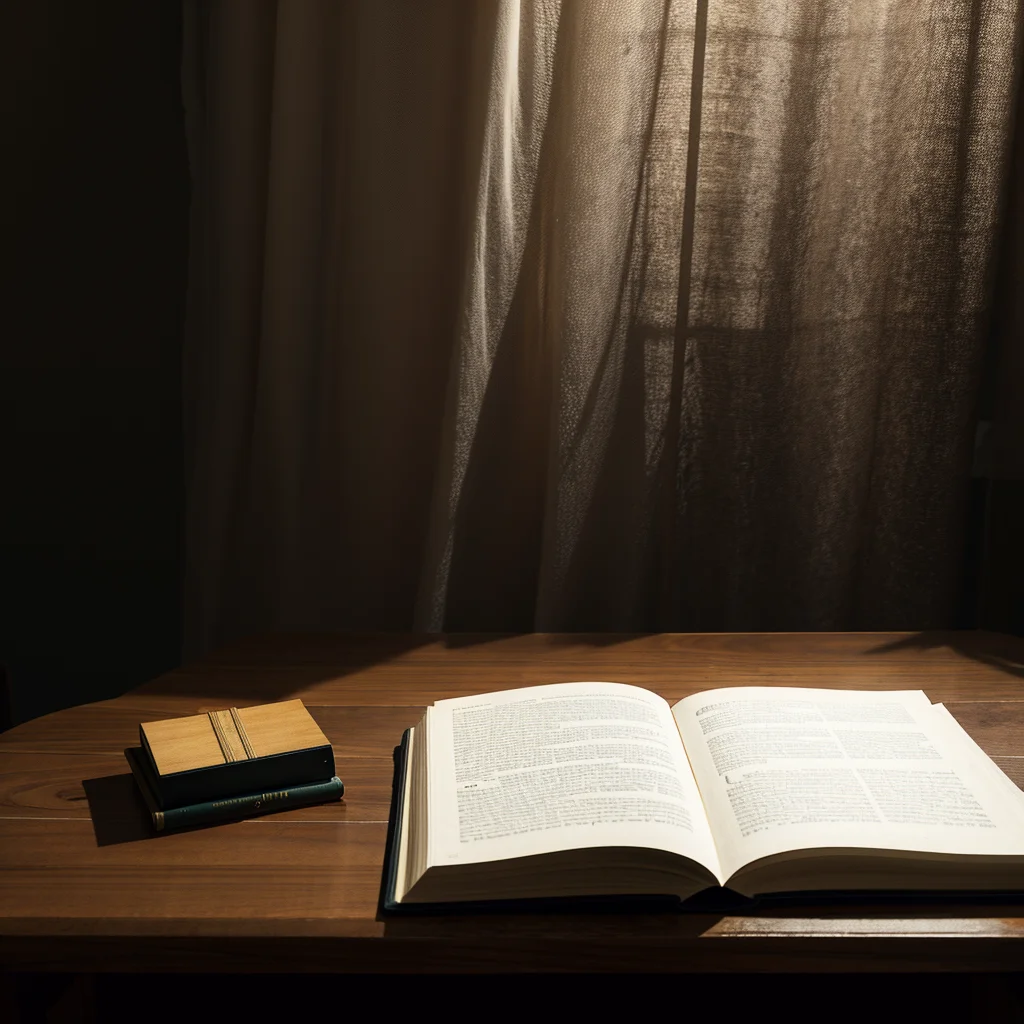
You know that feeling when you're scrolling and a photo stops you cold. It's not just pretty. It's a gut punch of recognition. That specific shade of moss green, the texture of worn leather, the moody half-light—it feels like a piece of you, pulled from your subconscious and pixelated. That's your core aesthetics whispering. They're the visual and sensory languages of your inner world, and decoding them is less about curating a perfect feed and more about the most honest conversation you can have with yourself.
Beyond the Mood Board: The Psychology of Visual Identity
Let's cut through the trend-cycle noise. Your core aesthetic isn't just what you pin. It's a non-verbal manifesto. Research in environmental psychology suggests our surroundings—and by extension, the visual environments we are drawn to create—profoundly impact our mood, cognition, and even stress levels. The colors, textures, and atmospheres you consistently gravitate toward aren't random. They're clues. A deep pull toward minimalist, clean lines and neutral spaces might signal a psyche craving order and mental clarity. An attraction to maximalist, eclectic, and vibrant chaos could reflect a mind that thrives on sensory stimulation and creative connection. This isn't about boxing yourself in with a label like 'cottagecore' or 'dark academia.' It's about asking: what need does this visual world fulfill for me?
The Mirror of Your Moods: Aesthetics as Emotional Weathervanes
Pay attention to how your visual preferences shift. They're a more honest emotional barometer than your social media captions. You might find your saved images leaning into warm, golden, nostalgic tones when you're seeking comfort or security. You might suddenly crave stark, dramatic contrasts and cool blues when you're feeling introspective or processing complex emotions. This internal visual language is a form of self-regulation. By surrounding yourself—even digitally—with images that resonate with your current emotional state, you are subconsciously validating your feelings. You're telling yourself, 'This internal landscape has an external form. It is real.' Ignoring these shifts is like ignoring a headache. Your aesthetic leanings are symptoms of a deeper climate.
When Your Style Feels Stuck: The Signal in the Static
Here's the hard part. What happens when your core aesthetics feel frozen? When every board, every outfit, every room setup feels like a rerun of a show you're tired of watching? This isn't a failure of creativity. It's a flashing check-engine light. A static personal style can often mirror a static internal narrative. You might be clinging to an aesthetic that represents who you were, or who you thought you should be, rather than who you are becoming. That meticulously curated 'light and airy' feed might start to feel like a cage if you're actually yearning for depth, shadow, and complexity in your life. The friction you feel—the boredom, the restlessness—is data. It's your current self bumping up against the visual shell of a past self.
Curating for the Self, Not the Algorithm
The trap is turning self-discovery into another performance. The goal is not a cohesive, brand-ready aesthetic that earns the most saves. The goal is authenticity, even if it's messy. Try this: create a private board with zero audience in mind. Save images that make you feel a strong, visceral pull, even if you don't understand why. A rusted metal door. A foggy forest path. A chaotic, paint-splattered studio. Don't judge the 'why.' Just collect. Over time, patterns will emerge that have nothing to do with Pinterest trends. This is your raw visual vocabulary. These are the symbols your unconscious mind is working with. This practice moves you from consumer of aesthetics to author of your own.
The Integration Point: Bringing Your Inner World Out
Knowledge is useless without action. So you've identified some threads of your core visual language. Now what? Integration doesn't mean a full-life makeover. It means small, deliberate acts of alignment. It could be painting one wall the exact murky green of your favorite mossy stone photo. It could be switching your notebook to one with a texture that pleases your fingertips. It could be taking a walk with the sole purpose of photographing shapes and shadows that match your internal mood. These are tiny rituals of self-respect. They are ways of saying, 'I see what I feel, and I am making space for it in the real world.' This bridges the gap between the digital dreamscape and your tangible life.
Your Aesthetic Isn't Your Identity. It's a Dialogue.
Finally, hold this all lightly. Your core aesthetics are a language, not a life sentence. They will and should evolve as you do. The purpose of this exploration isn't to find the one true label and stick to it forever. It's to open a continuous dialogue between your outer world and your inner one. It's to use visual preference as a tool for self-awareness, a compass for your emotional state, and a catalyst for creative expression. When you feel unmoored, look at what you've saved. When you feel stagnant, challenge what you've always chosen. The images that call to you are maps. You don't have to live in the landscape they depict, but you'd be a fool not to check the coordinates.