

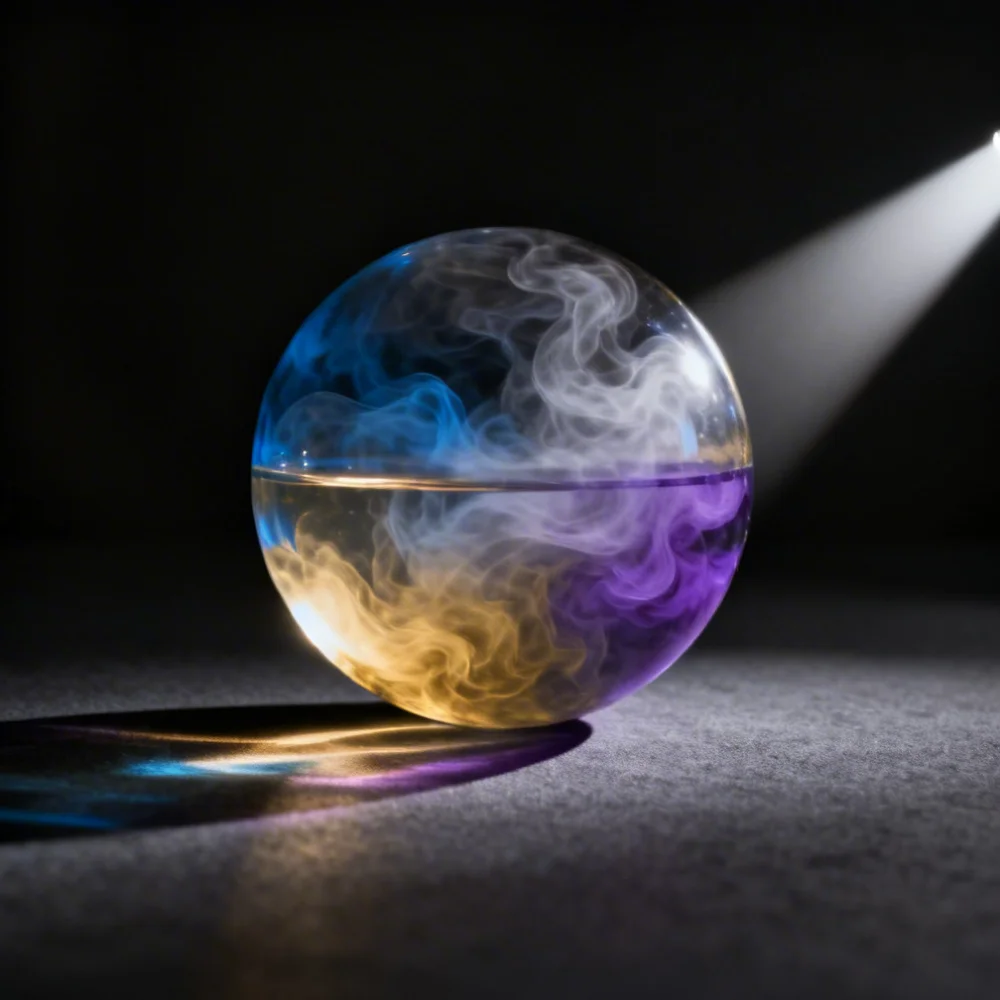
Ever wondered if there's a shimmer of truth to the idea that we all have a personal energy field? The concept of aura colors has floated from ancient spiritual traditions right into modern wellness culture, promising a map to our inner world. But what if we looked at it less like a mystical diagnosis and more like a metaphor for personality? This deep-dive explores what your perceived aura might be trying to tell you about your energy, emotions, and how you show up in the world—all through a lens of psychology and self-reflection.
The Colorful History of Auras: From Ancient Fields to Modern Vibes
Let's rewind. The idea of a luminous body or energy field isn't new. References to light around a person appear in religious art and texts from Buddhism to Christianity for centuries. The modern Western concept of aura colors as a personality indicator, however, really took off with the Theosophical movement in the late 19th century. Think of it as an early attempt to blend spiritual ideas with a more systematic, almost scientific, framework. Fast forward to today, and the "aura" has been fully adopted by the wellness and self-care lexicon. It's less about seeing a literal halo and more about using color as a symbolic language for our emotional and energetic state. It's a tool for introspection, a way to ask: "What color is my energy today?"
Decoding the Palette: A Guide to Common Aura Color Meanings
While interpretations vary, certain themes consistently pop up across different systems. Remember, these aren't rigid boxes, but descriptive shades of being. A red aura, for instance, is often linked to passion, physical vitality, and a grounded, action-oriented spirit. Someone vibing with a blue aura might be channeling calm, clear communication, and deep empathy. Yellow or gold auras frequently spark associations with intellect, optimism, and creative joy—think sunshine in human form. Then there's the enigmatic purple aura, often tied to intuition, spiritual curiosity, and a visionary mindset. Green? It's the classic color of growth, balance, and healing energy. The key takeaway? These energy field interpretations serve as mirrors, reflecting facets of our complex selves back at us in a simple, visual format.
What Research Says About Seeing and Sensing Energy
Okay, let's get academic-lite for a moment. Can science measure an aura? The direct answer is no; there's no scientific instrument that detects a personal colored light field as described in spiritual practices. However, research into human perception and psychology offers some fascinating parallels. Studies on synesthesia, for example, show that some people genuinely experience a blending of senses, like "seeing" sounds or "tasting" shapes. This suggests our brains are wired to make cross-sensory associations, which might explain why the metaphor of colored energy feels so intuitively right to many. Furthermore, psychological research has consistently found that color has a profound impact on our mood, cognition, and behavior—a field known as color psychology. The color blue can induce calm, red can heighten arousal, and yellow can boost feelings of happiness. So, while we can't photograph an aura, the idea that we "radiate" certain energetic qualities that can be metaphorically described with color has a foot in the door of understood human experience. It's less about literal light and more about the language we use to describe our intangible states.
Your Aura Isn't a Permanent Label (And That's the Best Part)
Here's the most liberating insight: your dominant aura color isn't a fixed personality trait like your height. It's more like your emotional weather. You might wake up with a foggy, gray energy on a stressful Monday and shift to a bright, clear blue after a good talk with a friend. Life events, stress, joy, and growth all influence our energetic "hue." This fluidity is why many proponents suggest that aura readings are a snapshot, not a life sentence. A muddy or dull color might simply indicate fatigue, blocked emotions, or a need for self-care, not a flawed character. Framing it this way moves the concept from a static diagnosis to a dynamic tool for self-check-ins. It asks you to be present with your current state, not define yourself by it forever.
From Concept to Practice: Using Aura Colors for Self-Reflection
So, how can you use this colorful framework without a psychic on speed dial? It starts with turning inward. Instead of asking "What's my aura?" try asking "What color best represents my energy right now?" Use the common meanings as a starting point for journaling. If you feel drawn to green, explore what needs growth or healing in your life. Feeling a lot of red? Examine where your passion or frustration is directed. You can also use the idea to set intentions. Want to cultivate more peaceful communication? You might visualize yourself surrounded by calming blue light before a difficult conversation. The goal isn't to "find your true color" but to use color as a symbolic language to better understand and articulate your inner landscape. It's a practice in mindful self-awareness.
A Spectrum of Self: The Takeaway on Personal Energy
At the end of the day, the enduring appeal of aura colors lies in their simplicity and depth. They offer a visual, intuitive shorthand for the complex, vibrating beings we are. Whether you view it as a spiritual truth, a psychological metaphor, or just a fun thought experiment, the concept invites a valuable pause. It encourages you to consider the energy you carry and the energy you project into the world. Your "aura" might just be the story you tell yourself about your own presence. So, what color is your story today? And more importantly, if you could choose a shade to grow into, what would it be? The power, as always, is in your reflection.