

For centuries, society has operated under a fundamentally flawed neurological assumption: the belief that creativity is a singular, genetically endowed trait exclusively reserved for painters, musicians, and poets. This "artistic monopoly" on the concept of creativity has systematically disenfranchised millions of highly innovative individuals, leading them to falsely categorize themselves as "uncreative" simply because they cannot sculpt or compose a symphony.
However, modern cognitive science and psychometric research have thoroughly debunked this myth. Creativity is not a mystical muse that visits a chosen few; it is an executive function of the human brain. It is the neurological capacity for divergent thinking—the ability to connect seemingly unrelated data points, recognize obscure patterns, and generate novel solutions to complex problems. Whether you are restructuring a corporate supply chain, negotiating a delicate interpersonal conflict, or writing a piece of software, you are engaging in a highly creative cognitive process.
The Neuroscience of Innovation
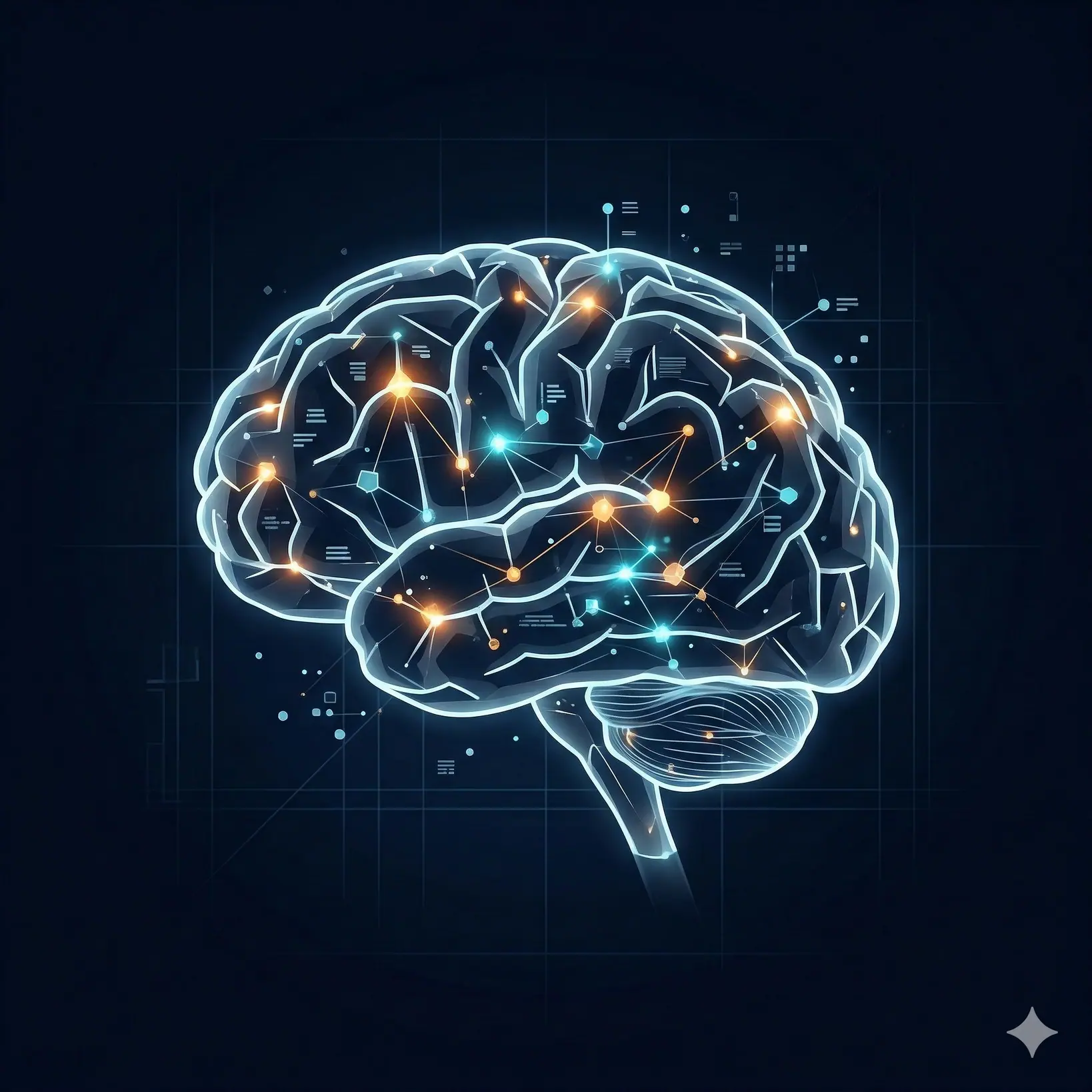
To understand where your creativity is hidden, we must first examine how it operates neurologically. Innovative ideation typically occurs when the brain's default mode network (responsible for daydreaming and mental simulation) communicates fluidly with the executive control network (responsible for focus and evaluation).
When an individual states they are "not creative," what they usually mean is that their neurological pathways do not align with traditional, visually expressive mediums. Their creative intelligence is not absent; it is simply operating on a different frequency, hidden within other domains of cognitive processing. If we shift our diagnostic lens from what is being produced to how a problem is being approached, an entirely new matrix of creative archetypes emerges.
Decoding the Domains of Latent Creativity
Where is your specific brand of divergent thinking currently hiding? By analyzing behavioral patterns and problem-solving methodologies, we can categorize latent creativity into several distinct functional domains.
1. Architectural and Systems Creativity
Individuals in this domain do not paint on canvas; they paint with structures. Their creativity is hidden in their profound ability to optimize workflows, organize chaotic data, and build scalable systems. When presented with a disorganized process, their brains automatically begin generating elegant, streamlined solutions. This form of creativity requires immense spatial reasoning and logical foresight. They are the invisible architects of efficiency.
2. Interpersonal and Empathic Creativity
Often entirely overlooked as a creative skill, empathic innovation is the ability to navigate complex human emotions and social dynamics. People with this hidden trait are master mediators and community builders. They can accurately read the subtle psychological undercurrents of a room and creatively adapt their communication to bridge divides. Their "masterpiece" is a high-functioning team or a beautifully resolved conflict.
3. Linguistic and Conceptual Creativity
This domain belongs to those who manipulate abstract ideas and language. They might not write fiction, but they are exceptional at reframing narratives, developing compelling marketing strategies, or explaining highly complex technical concepts through innovative metaphors. Their creative engine is fueled by vocabulary, rhetoric, and the structural integrity of an argument.
4. Somatic and Kinesthetic Creativity
For some, divergent thinking bypasses the traditional linguistic centers of the brain and expresses itself purely through movement and spatial awareness. This includes not just athletes or dancers, but skilled surgeons, mechanics, and physical craftsmen. Their creativity is quite literally hidden in muscle memory and a profound tactile understanding of the physical world.
Locating Your Unique Cognitive Signature
Continuing to measure your innovative capacity against a purely artistic benchmark is both scientifically inaccurate and personally detrimental. Maximizing your potential requires correctly identifying the specific cognitive domain where your divergent thinking naturally flourishes. Are you a systems architect, an empathic innovator, or a conceptual strategist?
Understanding your precise creative mechanism allows you to stop forcing your brain into incompatible paradigms and start leveraging your authentic neurological strengths.
To assist in this crucial self-diagnostic process, we have developed a specialized psychometric assessment designed to bypass artistic biases and map your true cognitive pathways.
Stop defining your intelligence by outdated metrics. Complete the analysis to uncover exactly where your unique creative superpower has been hiding, and learn how to actively harness it for real-world application.