

"We should totally grab coffee soon!"
How many times have you heard this phrase? More importantly, how many times have you said it yourself, knowing full well that neither of you is going to check your calendar? In our modern, fast-paced social landscape, we have developed a complex language of polite fictions. We smile, we nod, we offer vague promises of future plans, and we say "let me know if you need anything" when someone is going through a hard time.
But here is the million-dollar question that quietly haunts our relationships: When someone extends a hand, are they actually reaching out to you, or are they just fulfilling a social obligation?
Navigating the gray area between "niceness" and "genuine care" is one of the most exhausting aspects of adulthood. We live in a society that highly values pleasantries. Being polite is the social lubricant that prevents our daily interactions from grinding to a chaotic halt. However, when we desperately need authentic human connection, this lubricant can feel incredibly isolating.
The Anatomy of a Polite Fiction
Politeness is fundamentally about comfort—specifically, maintaining the comfort of the group and avoiding awkwardness. When an acquaintance sees you looking stressed and asks, "Are you okay?", they are often looking for the socially acceptable, frictionless response: "I'm fine, just a bit tired."
Polite niceness is reactive. It happens in the moment, follows a predictable script, and requires zero emotional heavy lifting. It’s the coworker who signs a birthday card but doesn’t know your last name. It’s the friend who leaves a string of heart emojis on your Instagram post but hasn't sent you a direct message in six months. There is no malice in politeness; it is simply a boundary dressed up as a smile.
The Heavy Lifting of Genuine Care
Genuine care, on the other hand, is disruptive. It doesn't rely on scripts, and it often bypasses social norms entirely. While politeness is reactive, care is incredibly proactive.
Someone who genuinely cares doesn't say, "Let me know if you need help moving." They say, "I'm coming over on Saturday at 10 AM with coffee and some empty boxes. Put me to work." Care remembers the name of your anxious rescue dog, checks in on you two weeks after the crisis has passed when everyone else has moved on, and is comfortable sitting with you in messy, unresolved silence.
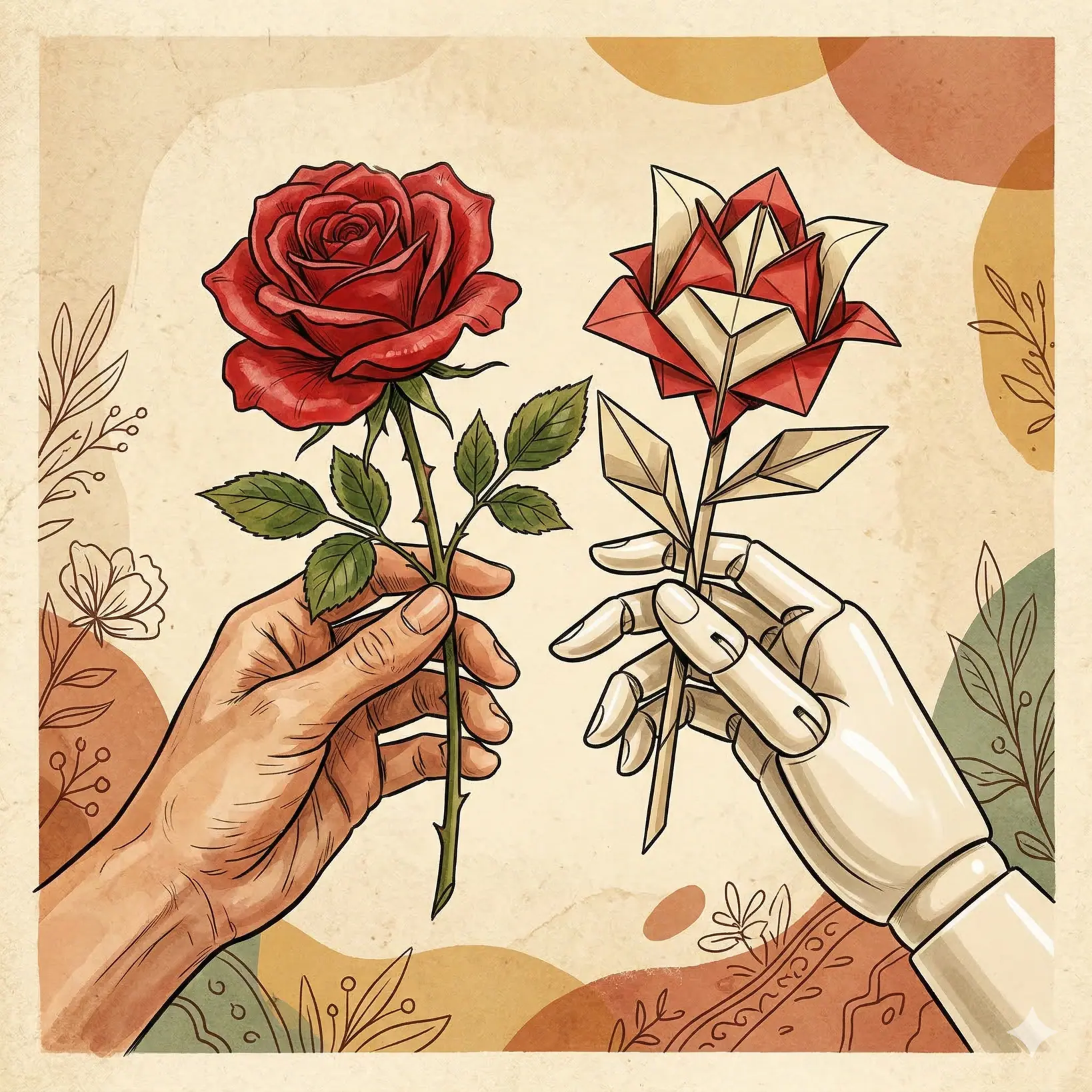
The confusion arises because, on the surface, politeness and care can look identical. Both involve smiles, offers of help, and pleasant words. But the underlying currency is completely different. Politeness spends words; care spends time and emotional energy.
The Cost of a Broken "Care Radar"
Why is it so vital to learn the difference? Because constantly misinterpreting these signals leads to profound emotional burnout.
If your "care radar" is off, you might invest your deepest vulnerabilities into people who are only equipped to offer superficial politeness, leaving you feeling profoundly abandoned when things get tough. Conversely, you might become so cynical about "fake niceness" that you put up walls, pushing away the few people who are genuinely trying to reach you. We often waste years pouring water into the plastic plants of polite acquaintances, wondering why they never grow, while neglecting the real roots of true friendship.
How to Calibrate Your Instincts
Learning to trust your gut in social interactions isn't magic; it's a skill. It requires observing patterns over time, noticing whether actions align with words, and understanding your own attachment needs.
Have you ever wondered why you might be prone to mixing them up? Are you a hopeful romantic who projects deep meaning onto casual small talk, or a guarded skeptic who questions every act of kindness?
We’ve created a relatable, insightful tool to help you measure exactly how sharp your instincts truly are.
It takes just a few minutes to walk through 20 everyday social scenarios. Discover whether you're easily fooled by polite fiction, or if you possess an eagle eye for authentic connection. Stop guessing, and start investing your energy where it truly belongs.