

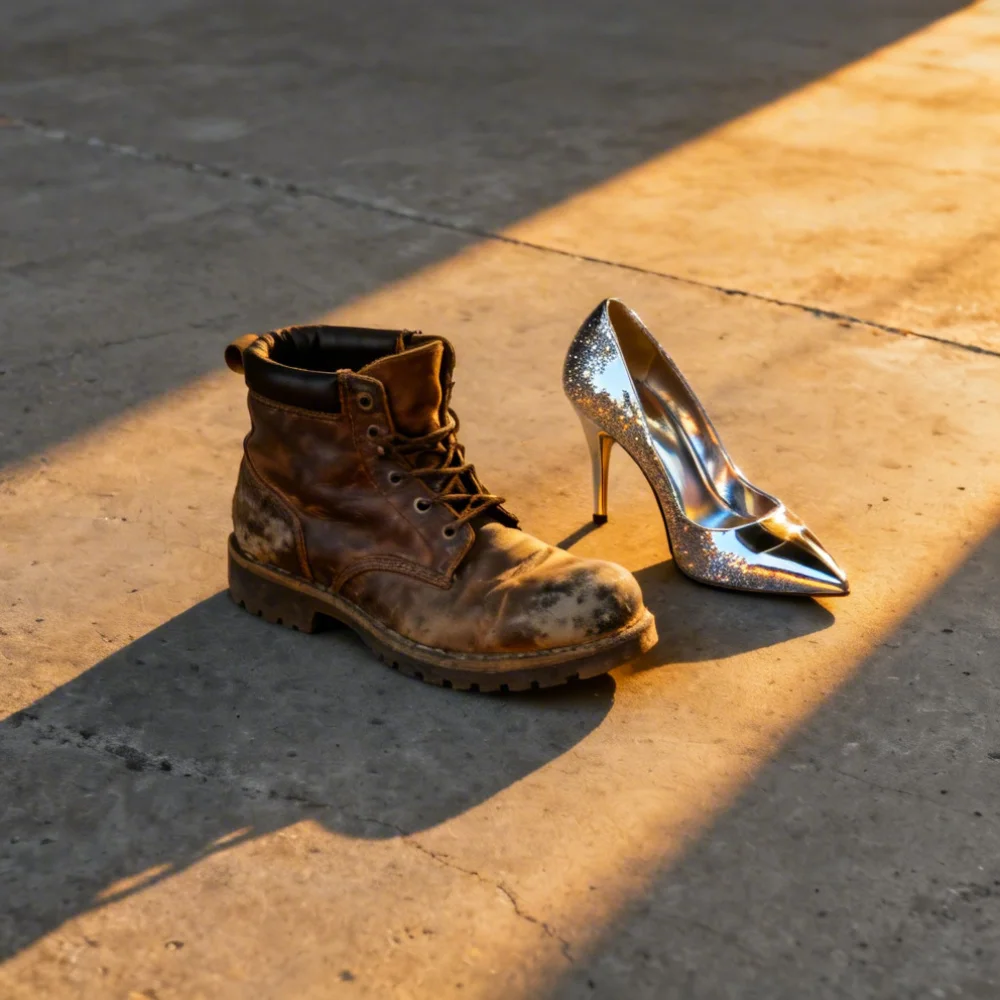
You've probably scrolled past a thousand posts telling you to "find your authentic self," a phrase so overused it's starting to sound like a corporate wellness slogan. But what does it actually look like when you stop performing and start just... being? It's less about dramatic mountain-top revelations and more about a series of quiet, slightly inconvenient shifts in your daily life. Let's skip the inspirational posters and look at the real, often awkward, evidence that you're aligning with your core self.
1. Your Social Calendar Has More Gaps Than a Bad Smile
Remember when FOMO was a full-time emotional job? A key sign you're tapping into your authentic self is when the sheer, unadulterated joy of saying "no" starts to outweigh the anxiety of missing out. It's not about becoming a hermit; it's about your energy becoming a non-negotiable currency. You start to realize that the curated chaos of being "busy" was often just a distraction from the quieter, more interesting person you are when left alone with your thoughts for an evening. Research on self-determination theory suggests that autonomy—the feeling your actions are self-endorsed—is a cornerstone of well-being. So, that deep sense of relief when you cancel plans you never really wanted? That's not anti-social; it's pro-you.
2. Your Opinions Have Become Uncomfortably Nuanced
The performative hot take is dead. Long live the complicated, "well, it depends" perspective. When you're living from a place of genuine selfhood, you often find your black-and-white opinions fading into frustrating, intelligent shades of gray. You might catch yourself mid-rant realizing you can see the other side, or you stop sharing that perfectly packaged opinion on a topic because you realize you're still figuring it out. This isn't wishy-washiness; it's intellectual integrity. It means you're forming views from internal curiosity rather than external tribal alignment, which many psychologists link to higher cognitive flexibility and a more stable sense of identity.
3. You've Developed a Weirdly Specific & Unmarketable Passion
Your true self doesn't care about algorithmically pleasing hobbies. It gets obsessed with 14th-century tapestry restoration techniques, the physics of sourdough bubbles, or cataloging local moss varieties. This passion brings you zero social capital, explains poorly at parties, and has no obvious "side hustle" potential. And you love it purely for its own bizarre sake. This is a hallmark of intrinsic motivation, a concept studies indicate is vital for sustained happiness. It's the joyful, unproductive work of a mind following its own weird compass, not one looking for external validation or a trendy Instagram aesthetic.
4. Your Apologies Have Changed Their Frequency and Flavor
You apologize less for taking up space, having needs, or existing inconveniently ("Sorry for talking!", "Sorry to bother you!"). Conversely, you might apologize more for real, specific impacts of your actions, because your sense of responsibility is now tied to your actual values, not a general fear of being disliked. The chronic over-apologizer is often managing others' perceptions; the person connected to their authentic self apologizes from a place of conscious choice and repair. It's the difference between "Sorry I'm so emotional" (diminishing your experience) and "I'm sorry my tone was harsh earlier; that wasn't fair" (owning your behavior).
5. You Can Sit in Discomfort Without Immediately Filling the Void
The ultimate modern test: can you be bored, sad, anxious, or uncertain without instantly reaching for a digital pacifier? When you're comfortable with your core identity, you develop a tolerance for emotional and mental stillness. You don't need to scroll, shop, snack, or overshare to escape every twinge of unease. This doesn't mean you enjoy discomfort, but you can witness it as a passing weather system in your internal landscape, not a five-alarm fire requiring immediate distraction. Experts in mindfulness and self-concept often point to this ability to "be with" oneself as a critical sign of psychological integration.
6. Your Style Icons Have Become Deeply Unhelpful
Your inspiration board is no longer a collection of people you want to look like, but a chaotic collage of vibes, textures, and feelings that resonate with some ineffable part of you. You might pair items that fashion rules say shouldn't work, because they feel "right." Your aesthetic becomes a sensory language for your internal state, not a uniform for a desired external identity. It's the difference between dressing as "an aesthetic" and dressing as *yourself*. This alignment between outward expression and inward experience, some research suggests, can be a powerful tool for reinforcing a coherent sense of self.
7. You Have Less to Prove and More to Explore
The exhausting project of convincing everyone (including yourself) that you're smart, capable, cool, or good enough starts to wind down. You might fail or look foolish and find the experience is... curiously informative, not world-ending. This is because your self-worth is becoming less contingent on constant achievement and validation. Your energy shifts from proving your worth to exploring your interests and connections. It's the quiet confidence of knowing your value isn't a thesis to be defended daily, but a simple fact. This journey toward your most genuine self isn't about arriving at a finished, perfect product. It's about trading the heavy, ill-fitting armor of performance for the lighter, more vulnerable, and infinitely more interesting clothing of reality. So, the next time you choose the weird hobby over the trendy one, or savor the quiet "no," give yourself credit. That's not you being difficult; that's you being real.