

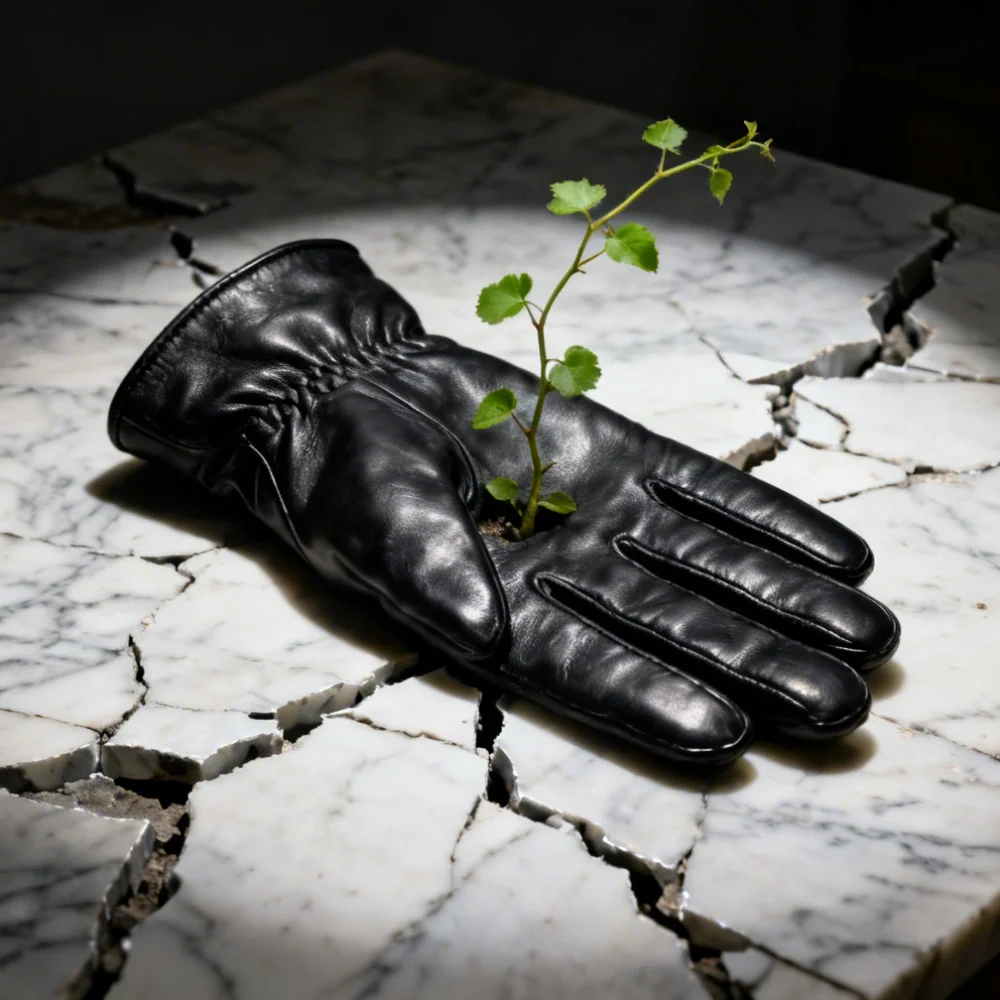
You've seen the memes, heard the anthems, and maybe even felt the urge. The "villain era" isn't just a TikTok trend; it's a cultural mood shift where self-protection and ambition are worn like a dramatic black cape. But what's really happening when we decide to stop being the nice guy? Let's unpack the psychology behind this popular embrace of the inner antagonist.
From People-Pleaser to Protagonist: Defining the Villain Arc
First, let's clarify what a villain era is not. It's not about becoming cruel, unethical, or causing genuine harm. Think of it less as "supervillain" and more as "morally complex protagonist in their own story." This phase often follows a period of perceived exploitation, burnout from emotional labor, or the quiet resentment of constantly putting others' needs first. The villain era is a reclamation project. It's setting boundaries with the finality of a castle portcullis slamming shut. It's prioritizing your goals without a side of apology. It's saying "no" and savoring the silence that follows, rather than rushing to fill it with justifications. In essence, it's an exaggerated performance of self-interest, often to counterbalance years of its opposite.
The Allure of the Dark Side: Why It Feels So Liberating
Why does this stance feel so powerfully cathartic? For many, playing the perpetual hero or helper is exhausting. Constantly modulating your behavior to manage others' emotions and expectations is a psychological load known as "impression management." Dropping that act, even temporarily, can feel like a tremendous release. There's a certain freedom in letting people think what they want. Furthermore, adopting a "villain" mindset can be a potent form of cognitive reframing. By mentally stepping into a role that expects pushback and conflict, you may find yourself less hurt by disapproval and more resilient in the face of obstacles. It transforms potential criticism from a personal wound into a predictable part of your narrative's plot. It's armor, woven from narrative threads and a killer playlist.
What Research Says: The Line Between Healthy Assertiveness and Harm
Psychology doesn't use the term "villain era," but it has plenty to say about the concepts underpinning it. Studies on assertiveness training show that clearly communicating one's needs and boundaries is strongly linked to improved mental well-being, self-esteem, and relationship satisfaction. The core impulse of a villain era—to stop being a doormat—aligns with this. However, research also delves into the "dark triad" of personality traits: narcissism, Machiavellianism, and psychopathy. While a true villain era is a far cry from clinical levels, the glorification of manipulation, callousness, and excessive entitlement are the potential shadows of this trend. Studies suggest that while short-term gains might be achieved through aggressive self-promotion or ruthless tactics, they often corrode long-term social capital and trust. The key distinction research implies is intent and impact: is the behavior about healthy self-preservation, or is it about diminishing others? One builds a stronger self; the other just burns bridges for warmth.
Your Antagonist's Toolkit: Spotting Villain Era Behaviors
So how does this era manifest in daily life? It's rarely mustache-twirling. It's more subtle. It might look like finally invoicing for your freelance work with zero discount, or deleting that app that makes you feel inadequate without a farewell post. It could be spending a weekend alone because you want to, not because you have to. It's the quiet decision to not engage in the group chat drama, or the loud decision to advocate fiercely for a promotion. Other hallmarks include a decreased tolerance for gossip disguised as concern, a newfound ability to sit with someone else's disappointment, and a wardrobe that may or may not feature more structural black blazers. The common thread is actions driven by internal values rather than external validation.
The Third-Act Twist: Integrating the Shadow Without Getting Stuck
Every good story needs character development, and a perpetual villain can become a tiresome trope, even to yourself. The goal of any therapeutic or self-reflective process isn't to eliminate so-called "negative" traits—like ambition, anger, or self-interest—but to integrate them. Psychologist Carl Jung called this the "shadow self." The energy of your villain era—the assertiveness, the boundary-setting, the self-focus—is incredibly valuable. The potential pitfall is letting it become your entire personality, which can lead to isolation and a cynical worldview. The integration happens when you allow that "villainous" strength to coexist with compassion, when you use your fortified boundaries to create safer spaces for connection, not just fortresses of solitude. It's realizing you can be both formidable and kind, that protecting your peace doesn't require declaring war on everyone else's.
Practical Application: Channeling the Archetype for Good
How do you harness the momentum of this era without losing yourself in the role? Start with reflection. Journal on what, or who, you're finally saying "no" to, and what you're making space for with that "yes." Use the aesthetic or mindset as motivation for tangible goals: that villain-era gym playlist isn't just for vibes, it's to fuel your physical health. Practice assertive communication in low-stakes settings. Most importantly, audit your actions not for "niceness," but for alignment. Are you acting from a place of authentic self-respect, or from a reactive desire to control or inflict the hurt you once felt? The healthiest version of this phase is a bridge, not a bunker. It's a temporary, exaggerated posture that helps you rebuild a sense of agency, so you can eventually stand up straight, without the armor, and simply be.