

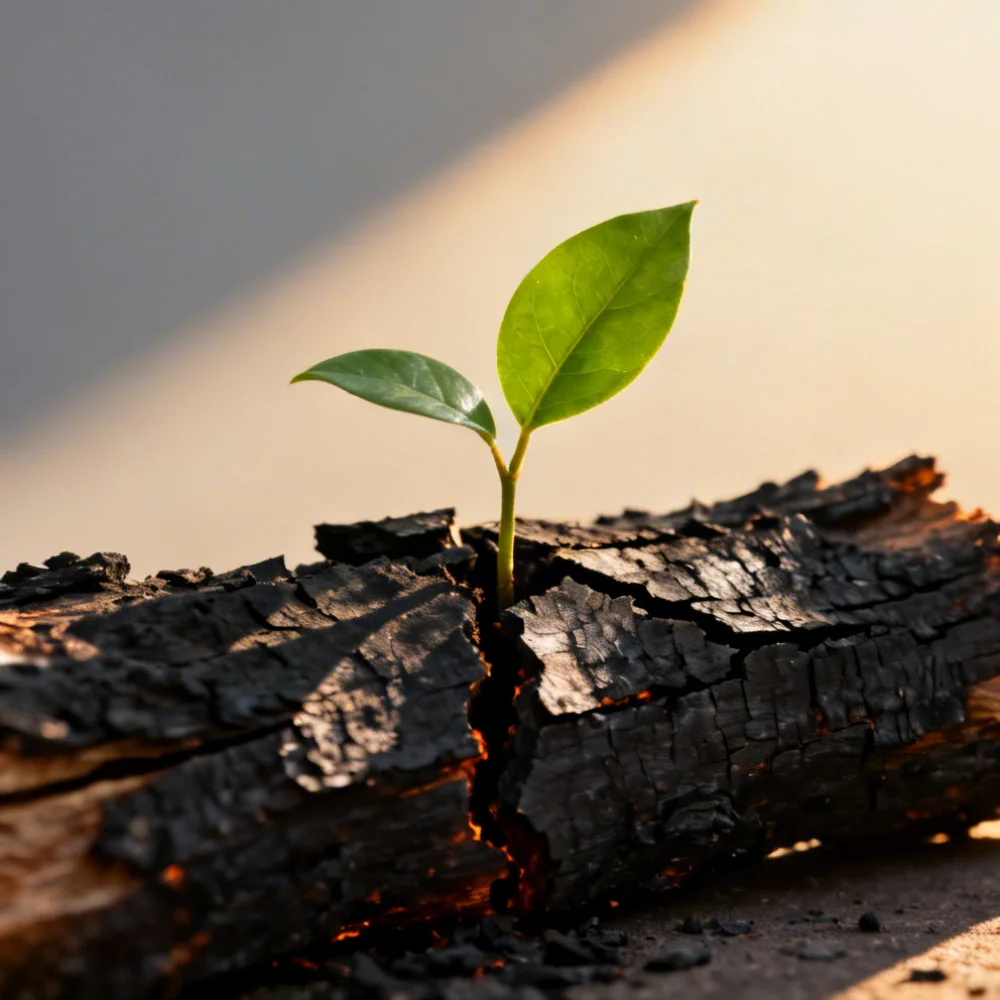
You've tried the "quick fixes" for burnout recovery, but that deep exhaustion keeps creeping back. It's not just about taking a day off; it's about understanding the hidden patterns that keep you drained. This guide explores the psychological roadblocks to sustainable energy and offers a new path forward.
Why do I always feel guilty when I try to rest?
That nagging voice telling you you're "wasting time" or "being lazy" is a classic symptom of burnout, not a character flaw. When you've been running on overdrive for so long, your nervous system has forgotten how to register downtime as productive. Research suggests that chronic stress can rewire our brain's reward pathways, making us feel anxious when we're not achieving. This guilt is often tied to a deeper belief that your worth is tied to your output. The first step in true burnout recovery is to consciously redefine what "productive" means. Rest isn't the opposite of work; it's the essential maintenance that allows work to happen. Try this: schedule 15 minutes of "guilt-free" rest. Set a timer, do nothing that has a goal, and when the guilt pops up, acknowledge it ("There's that feeling again") and gently return to your rest. You're retraining a muscle.
Why does a vacation not fix my burnout?
You return from a week away only to feel the crushing weight of fatigue within 48 hours back at your desk. This happens because burnout isn't a "battery" you can recharge in one go; it's a systemic issue with your daily environment and habits. A vacation is a temporary removal from the source of stress, but without addressing the root causes—like unsustainable workloads, poor boundaries, or a misalignment with your values—you simply return to the same conditions that burned you out. Effective recovery from burnout is less about a grand escape and more about the micro-adjustments you make every single day. It's building "restorative rituals" into your routine, like a proper lunch break, a hard stop on work hours, or a morning walk. Think of it as building a firebreak instead of just fleeing the occasional wildfire.
Why do I feel bored and empty when I finally have free time?
Burnout doesn't just burn out your capacity for work; it can scorch your capacity for joy. Anhedonia—the reduced ability to feel pleasure—is a common experience. When you're in survival mode, your brain downregulates "non-essential" systems, including the ones that help you explore hobbies and connect with fun. The things that used to bring you joy might now feel like chores. This isn't a sign that you're broken; it's a sign your system is in protection mode. Reigniting passion is a slow, gentle process. Start with "interest sampling." Don't commit to a six-week pottery class. Instead, spend 10 minutes doodling, listen to a new genre of music, or visit a park you've never been to. The goal isn't to achieve mastery or even enjoyment immediately, but to gently poke at the embers of curiosity without pressure.
Why can't I just "snap out of it" with more discipline?
This question is the burnout trap. Trying to use the same force of will that got you into this state to get you out is like trying to dig your way out of a hole with the same shovel. Burnout is not a failure of discipline; it's often the result of its overapplication. You've been disciplining yourself to ignore your body's signals (tiredness, hunger, need for a break) for too long. The path to recovering from burnout requires a different skill set: self-compassion, listening, and permission. Studies indicate that self-criticism activates the same threat response in the brain as external criticism, keeping you locked in stress. Instead of "I need to be tougher," try "What do I need right now?" The answer might be a glass of water, five minutes of staring out the window, or cancelling an optional commitment. This is the real work: replacing harsh discipline with attentive care.
How do I know if I'm recovering or just avoiding my responsibilities?
This fear keeps many people stuck in the burnout cycle. The line between recovery and avoidance is defined by intention and outcome. Avoidance is fear-based and leads to more anxiety (scrolling mindlessly, procrastinating on urgent tasks). True recovery is intentional and leads to a gradual increase in capacity and calm. A key indicator is how you feel *after* the activity. Does an hour of video games leave you agitated and behind? Or does a 30-minute walk leave you slightly clearer-headed? Recovery activities are nourishing, not numbing. They might include setting a difficult boundary (which feels scary but ultimately freeing), taking a strategic break before a big task, or asking for help. Your journey toward sustainable energy isn't a straight line. Some days will feel like setbacks. The question isn't "Am I doing this perfectly?" but "Am I moving, even slowly, toward a life that feels more sustainable and aligned?" That's the true north of burnout recovery.