

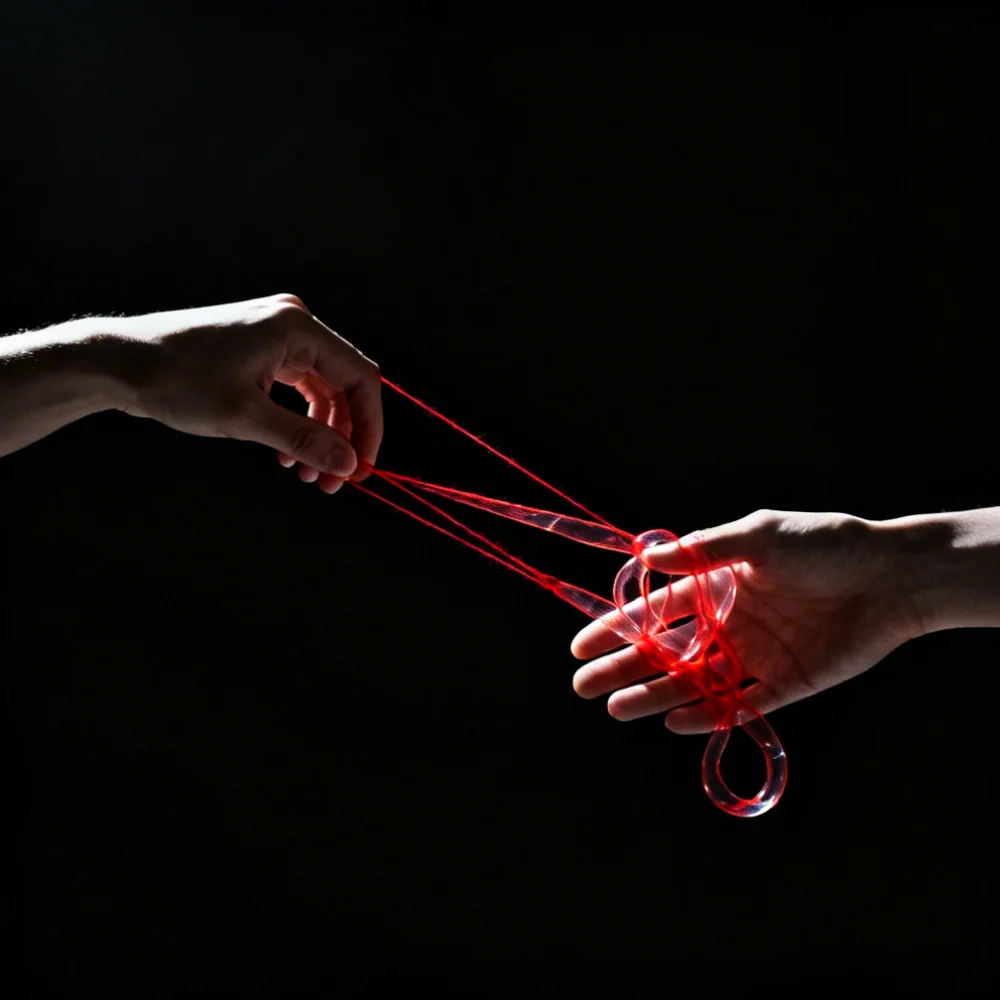
We all have that one friend who texts "You up?" at 2 a.m. after three months of radio silence, and another who needs a detailed itinerary for a casual coffee date. Most of us secretly know which one we are. Welcome to the quietly chaotic world of attachment styles—the invisible blueprints for how we connect, or spectacularly fail to connect, with other humans. Research suggests these patterns, often formed early in life, can play a starring role in our adult relationships, from friendships to romance. Understanding them isn't about assigning blame, but about decoding the 'why' behind our most confusing relationship behaviors.
The Anxious Attachment: The Human Golden Retriever
You know us. We're the ones who read a three-word text like it's the Dead Sea Scrolls, searching for hidden meanings and impending doom. If you take four hours to reply, we've already drafted your breakup speech in our heads and refreshed our Instagram feed 87 times to see if you've posted without us. Our core belief, forged in the fires of inconsistent caregiving, is a simple, tragic mantra: "I am not enough to make you stay." So we become relationship detectives, hyper-vigilant for clues of abandonment. We conflate anxiety with passion, mistaking the stomach-churning dread of "Are they mad at me?" for the butterflies of deep love. Studies indicate this anxious relational pattern often involves a heightened sensitivity to a partner's moods and a tendency to prioritize the relationship above all else, including our own sanity. The result? We're incredibly loyal, profoundly intuitive, and occasionally exhausting. We don't mean to send the fourth "???" follow-up text. Our brain just genuinely believes you've been kidnapped if you don't answer.
The Avoidant Attachment: The Emotional Houdini
On the other end of the spectrum, we have the masters of escape. Commitment isn't a scary word; it's a suffocating blanket. We value our independence above all else, often equating intimacy with a loss of self. You'll hear us say things like, "I just need space," "I'm not ready for labels," and the classic, "It's not you, it's me," and we genuinely mean it. It *is* us. Our early lesson was that relying on others leads to disappointment, so we perfected the art of self-reliance. When a relationship gets too close, too real, our internal alarm screams "DANGER!" and we perform a disappearing act. We might suddenly become "too busy," pick fights over minor issues, or idealize an ex or a fantasy partner—anywhere but here, with this real, flawed human who wants to know us. Experts believe this dismissive or fearful approach to connection is a defense mechanism, a pre-emptive strike against the vulnerability of being truly known and potentially left.
The Secure Attachment: The Mythical Unicorn
Then there are the secure ones. They seem like folklore, but research confirms they do exist. These are the people who can say, "I miss you," without it sounding like a hostage negotiation. They can argue without fearing the relationship will implode, ask for what they need directly, and give space without panicking. They don't see relationships as a constant test of their worth or freedom. Their core belief is: "I am worthy of love, and so are you. We can be close and still be ourselves." To the rest of us, they can seem bafflingly calm. They don't get the high drama of the anxious-avoidant tango; they'd rather just... talk about it. The good news? Many psychologists posit that secure functioning can be learned. It's less about finding a perfectly secure partner (though that helps) and more about practicing the behaviors: clear communication, managing your own emotions, and choosing interdependence over codependence or isolation.
The Anxious-Avoidant Trap: The Relationship Bermuda Triangle
Now, put an anxious attacher and an avoidant attacher in a room (or a dating app). Stand back and watch the supernova. It's the most common and combustible pairing, a dance of pursuit and retreat that feels intensely familiar to both parties. The anxious partner's need for reassurance triggers the avoidant partner's fear of engulfment, causing them to pull away. This withdrawal then confirms the anxious partner's deepest fear of abandonment, causing them to pursue harder. Cue the avoidant partner running for the hills. It's a feedback loop of mutual panic that feels like "passion" or "fate" because it's so electrically charged. In reality, it's just two old wounds talking past each other. This dynamic highlights how our internal working models of connection don't just affect us in isolation; they create a system with the people we choose.
So, What Now? Moving From Insight to (Slightly) Healthier Action
Knowing your attachment style isn't a life sentence. It's a user manual for your own heart. If you see yourself in the anxious description, the work might involve building a sense of self-worth that isn't tied to someone else's attention. Practice sitting with the anxiety of not knowing, of not having immediate reassurance. If you're avoidant, the challenge is to lean into vulnerability, bit by bit. Can you share one small, real feeling? Can you stay present during a minor conflict instead of mentally checking out? For everyone, the goal is "earned security"—consciously practicing the habits of secure connection until they start to feel more natural. This might mean setting better boundaries (anxious folks) or challenging your deactivating strategies (avoidant folks).
The most empowering insight isn't about "fixing" yourself to be palatable to others. It's about recognizing that these patterns of relating were once brilliant survival strategies for a smaller, younger you. They got you through. But you're not in that same situation anymore. You have more choices now. The next time you feel the old panic rise—the urge to send a novel-length text or completely ghost—you can pause. You can name it: "Ah, there's my old attachment style, trying to protect me." And then, maybe, you can choose a different, quieter response. One that comes not from a place of fear, but from a growing sense that you are, and always have been, enough on your own. And that connection, when chosen from that place, feels less like a lifeline and more like a gift.