

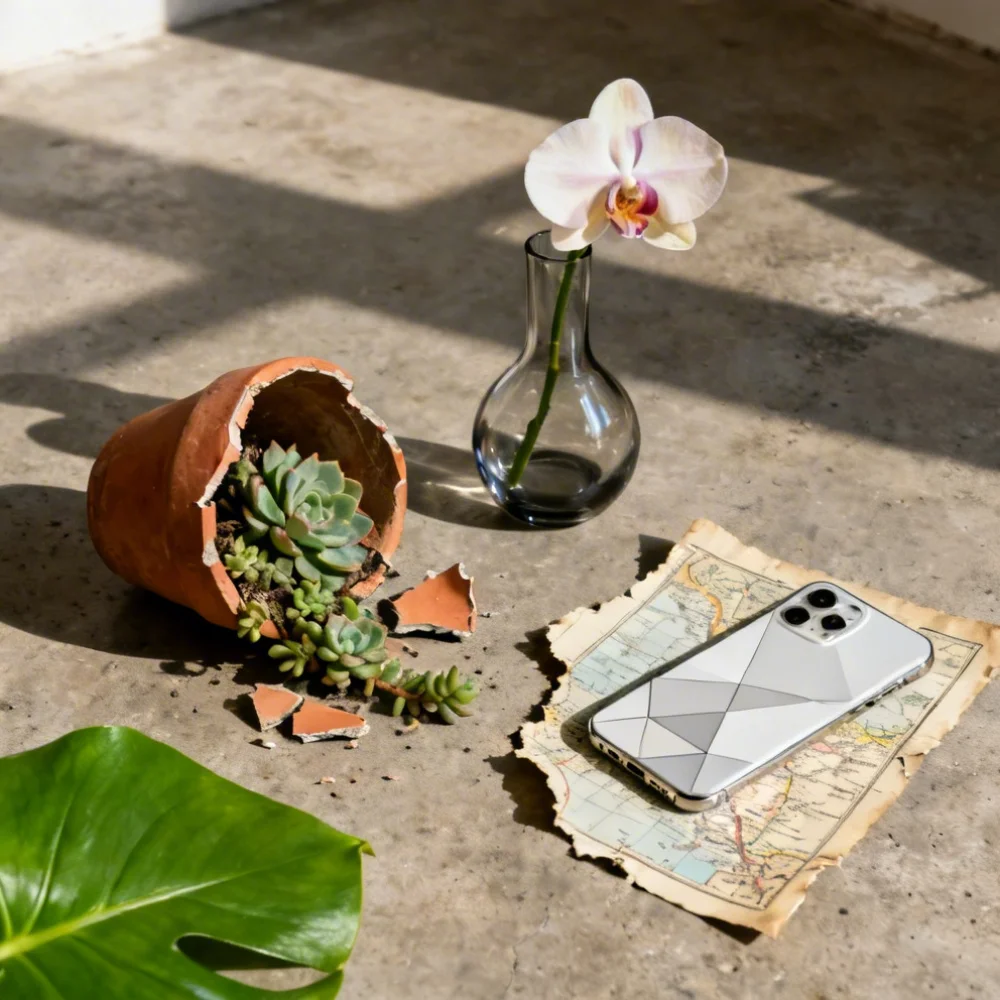
Ever feel like your carefully curated Spotify playlists, the specific mood of your Instagram feed, or the way you arrange your desk says something deeper about who you are? You're not just decorating your life—you might be expressing your aesthetic personality. This concept goes beyond fleeting trends to explore how our enduring preferences for certain styles, atmospheres, and sensory experiences connect to our core traits, values, and even our cognitive wiring. It's the psychology behind your "vibe."
Beyond the Filter: What Is an Aesthetic Personality?
Let's clear something up first: having an aesthetic personality isn't about being an artist or having a perfectly minimalist apartment. It's about the consistent patterns in what you find beautiful, calming, stimulating, or "right." Think of it as your personal sensory fingerprint. It's why one person feels utterly at peace in a sparse, sunlit room with clean lines, while another feels most inspired surrounded by eclectic thrift-store finds, plants, and warm, dim lighting. Your aesthetic personality is the underlying driver of those choices. It influences everything from the clothes you feel most "you" in to the movies you love, the music that moves you, and even the careers or hobbies that feel intrinsically satisfying. Research in environmental psychology suggests that our surroundings don't just reflect us—they actively shape our mood, creativity, and well-being. So, understanding your aesthetic leanings isn't frivolous; it's a tool for crafting a life that feels authentically yours.
The Building Blocks of Your Visual Vibe
So, what actually makes up this personal style psychology? It's a cocktail of several elements. First, there are sensory preferences: Are you drawn to soft textures or sleek metals? Muted tones or vibrant bursts of color? The gentle hum of a coffee shop or profound silence? These aren't random; they're clues to what your nervous system finds nourishing or energizing. Then, there's narrative or thematic resonance. Do you love the nostalgic, analog feel of '90s camcorder footage? The futuristic sleekness of cyberpunk? The rustic, handmade quality of cottagecore? These themes often connect to deeper values—like a longing for simplicity, a fascination with technology, or a reverence for nature. Finally, there's composition. Do you prefer harmony, symmetry, and order? Or are you energized by asymmetry, contrast, and a bit of controlled chaos? This might hint at your cognitive style and how you process the world around you.
What Research Says About Style and Self
While "aesthetic personality" isn't a formal clinical term, several branches of psychology touch on this idea, and the findings are fascinating. Studies in personality psychology, for instance, have found correlations between the Big Five personality traits and aesthetic preferences. Research suggests that individuals high in Openness to Experience—those who are curious, imaginative, and adventurous—often prefer complex, unconventional, and abstract art and music. They might be the ones drawn to more avant-garde or niche visual styles. On the other hand, some studies indicate that people higher in Conscientiousness, who value order and tradition, may gravitate toward neoclassical, symmetrical, and familiar aesthetic styles. Furthermore, environmental psychology research has consistently found that our designed environments significantly impact stress, focus, and creativity. For example, many experts believe that spaces with natural elements (biophilic design) can promote restoration and lower anxiety, which might explain why "cottagecore" or "light academia" aesthetics feel so comforting to many. It's important to remember these are broad tendencies, not rigid rules. Your unique aesthetic is a one-of-a-kind blend.
Decoding the Popular Aesthetic Archetypes
Internet culture has given us a shorthand vocabulary for common aesthetic clusters. Looking at these can be a fun mirror for self-reflection. The Dark Academia devotee, with their love for tweed, old books, and moody libraries, might be expressing a deep value for knowledge, history, and romantic introspection. The Minimalist or Clean Girl aesthetic, emphasizing space, neutral palettes, and functionality, could align with values of clarity, intentionality, and reducing mental clutter. The vibrant, maximalist Kidcore or Harajuku-inspired styles often celebrate playfulness, nostalgia, and a rejection of "adult" seriousness. The Cottagecore ideal, focused on pastoral simplicity and handmade crafts, frequently connects to a desire for sustainability, slowness, and a connection to the natural world. These aren't boxes to fit into, but lenses to see what themes and values you might be prioritizing in your own visual language.
Your Aesthetic Isn't Static (And That's a Good Thing)
Here's the most liberating part: your aesthetic personality can evolve. It's not a life sentence. As you grow, have new experiences, and reassess your values, what feels visually "right" to you may shift. The corporate minimalist might discover a love for vibrant folk art after a transformative trip. The dedicated goth might incorporate softer, ethereal elements into their style as their interests broaden. This fluidity is a sign of a dynamic person, not a "fake" one. Your aesthetic is a dialogue between your inner world and the outer world, and that conversation is allowed to change. Paying attention to these shifts can be a powerful form of self-awareness. Ask yourself: What does my current favorite movie, album, or room say about what I need more of in my life right now—comfort, adventure, peace, or stimulation?
Applying Your Aesthetic Insight: More Than a Mood Board
Understanding your aesthetic personality is more than an exercise in self-knowledge; it's a practical tool for well-being. You can use this insight to intentionally design your environments to support your goals. If you know you thrive in calm, orderly spaces, applying those principles to your work desk could boost focus. If you're energized by color and vibrancy, injecting those elements into your wardrobe or a corner of your home might lift your mood. It can also guide your leisure time—seeking out museums, films, or music that aligns with your sensory preferences can be deeply fulfilling. On a social level, recognizing that others have different aesthetic drivers can foster empathy. The friend whose chaotic, art-covered walls stresses you out might simply have a different sensory need for stimulation and creativity. Ultimately, exploring your aesthetic personality is about granting yourself permission to curate a life that feels genuinely resonant, one beautiful, intentional choice at a time.