

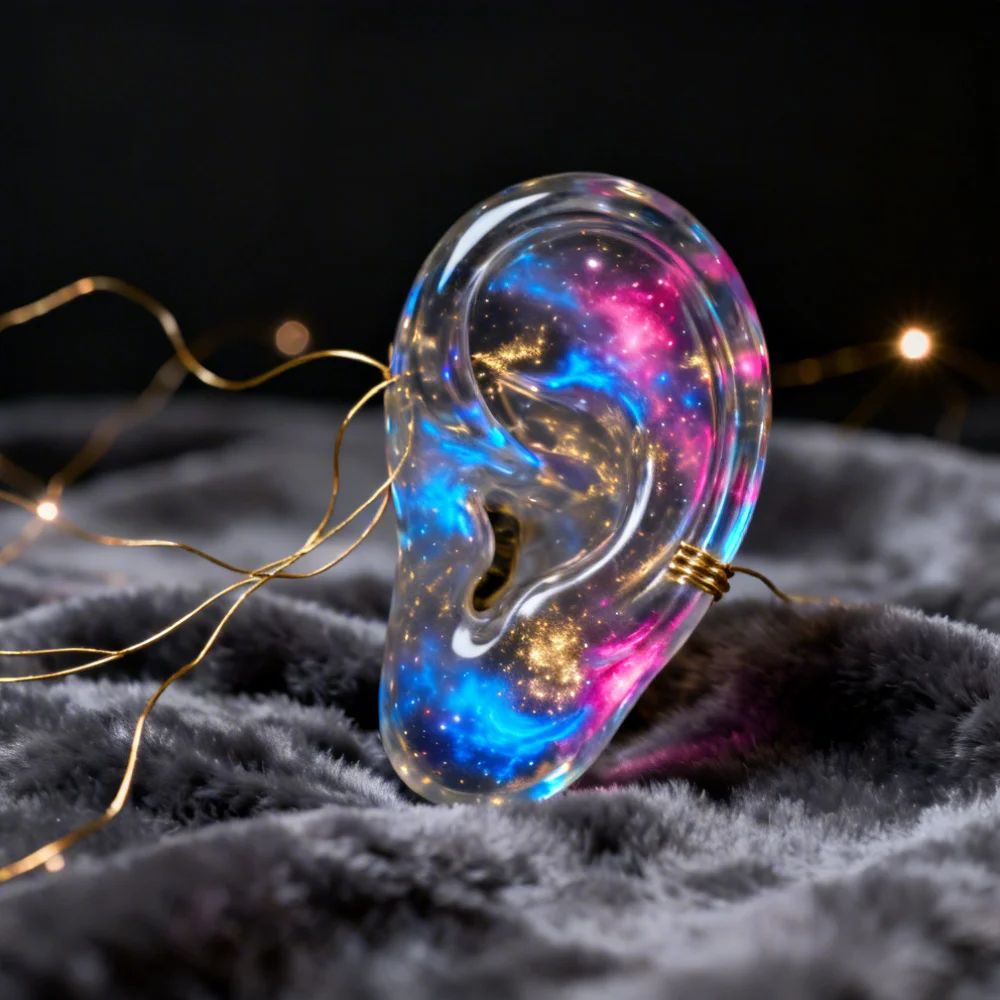
You know that feeling when the world seems dialed up to eleven? When the hum of the office fluorescent lights feels like a dental drill, a friend's offhand comment replays in your mind for days, and a beautiful piece of music can move you to tears in the grocery store aisle. If this sounds familiar, you might be recognizing what psychology calls HSP traits—the hallmark characteristics of a Highly Sensitive Person. It's not a disorder or a flaw, but an innate temperament found in about 15-20% of the population, according to the research of Dr. Elaine Aron. Think of it not as having a thin skin, but as having a highly sophisticated nervous system that processes everything more deeply.
The Deep Processing Brain: It's Not Just "Being Sensitive"
To understand HSP traits, it helps to think of the brain as a kitchen. Most people have a standard blender: it processes information efficiently, making a smoothie of your daily experiences. The HSP brain, research suggests, is more like a gourmet food processor with multiple attachments. It doesn't just blend; it chops, purees, kneads, and juliennes every sensory and emotional input. This "depth of processing" is the core of the trait. Studies using fMRI scans indicate that highly sensitive brains show greater activation in areas linked to empathy, awareness, and processing complex information. This means you're not overreacting; you're literally noticing more nuances, making more connections, and feeling the emotional weight of subtleties others might miss.
Sensory Overwhelm Isn't a Weakness, It's Data Overload
That feeling of being "spent" after a busy day at a mall or a loud party isn't just social anxiety. For someone with a highly sensitive nervous system, it's a genuine case of system overload. Your brain is taking in torrents of data: the flicker of the lights, the cross-conversations, the scent of perfumes, the texture of your clothing. It's like running a high-resolution video game on a laptop built for spreadsheets—it's going to overheat. This sensitivity to stimulation is why quiet, calm environments often feel like a necessary recharge, not a luxury. It's your system's way of managing the incredible volume of high-fidelity information it naturally absorbs.
The Emotional Echo: Why Feelings Resonate So Deeply
Here's where the trait moves beyond the senses and into the heart. High sensitivity is deeply intertwined with emotional responsiveness. This often manifests as profound empathy. You might not only understand that a friend is sad, but you might physically feel a heaviness in your own chest. This isn't just being "nice"; many experts believe it's linked to mirror neuron system activity, where the brain mirrors the states of others. The flip side is that this emotional resonance applies to art, music, and stories. A film can leave you emotionally full for days, and a act of kindness witnessed strangers can restore your faith in humanity. Your emotional world has a longer, deeper echo.
The Subtlety Detector: Noticing What Others Miss
One of the most fascinating aspects of this personality trait is an heightened awareness of subtleties. You're the one who notices the slight change in a partner's tone, the barely-there shift in the room's atmosphere when someone enters, or the intricate details in a painting's background. This makes you incredibly intuitive and conscientious, but it can also be exhausting. Your brain is perpetually running background scans on its environment, picking up on the faint signals that others' filters automatically block out. It's a superpower for creativity and connection, but without boundaries, it can lead to constant low-grade alertness.
From Overwhelm to Advantage: Reframing Your Sensitivity
If the world feels too much, too often, the goal isn't to "toughen up." It's to strategize. Understanding your sensitive processing style is the first step toward managing overstimulation and leveraging your innate strengths. This might look like crafting a lifestyle with intentional downtime, learning to set firm emotional boundaries, and choosing environments where your depth of perception can shine. In the right context, these HSP traits—the deep thinking, the emotional richness, the nuanced awareness—become incredible assets. They can fuel artistic expression, drive compassionate leadership, and foster profound, meaningful relationships.
Living Deeply in a Fast-Paced World
Recognizing these characteristics in yourself isn't about finding a label; it's about granting yourself permission. Permission to need quiet, to feel deeply, to process slowly, and to honor the unique way you experience the world. It's an invitation to stop pathologizing your reactions and start appreciating your capacity for depth. The next time you feel overwhelmed by the glare and noise, remember: you're not failing to keep up with a shallow world. You're built to comprehend its deepest layers. The challenge, and the gift, is learning to navigate its surface while staying true to your native depth.