

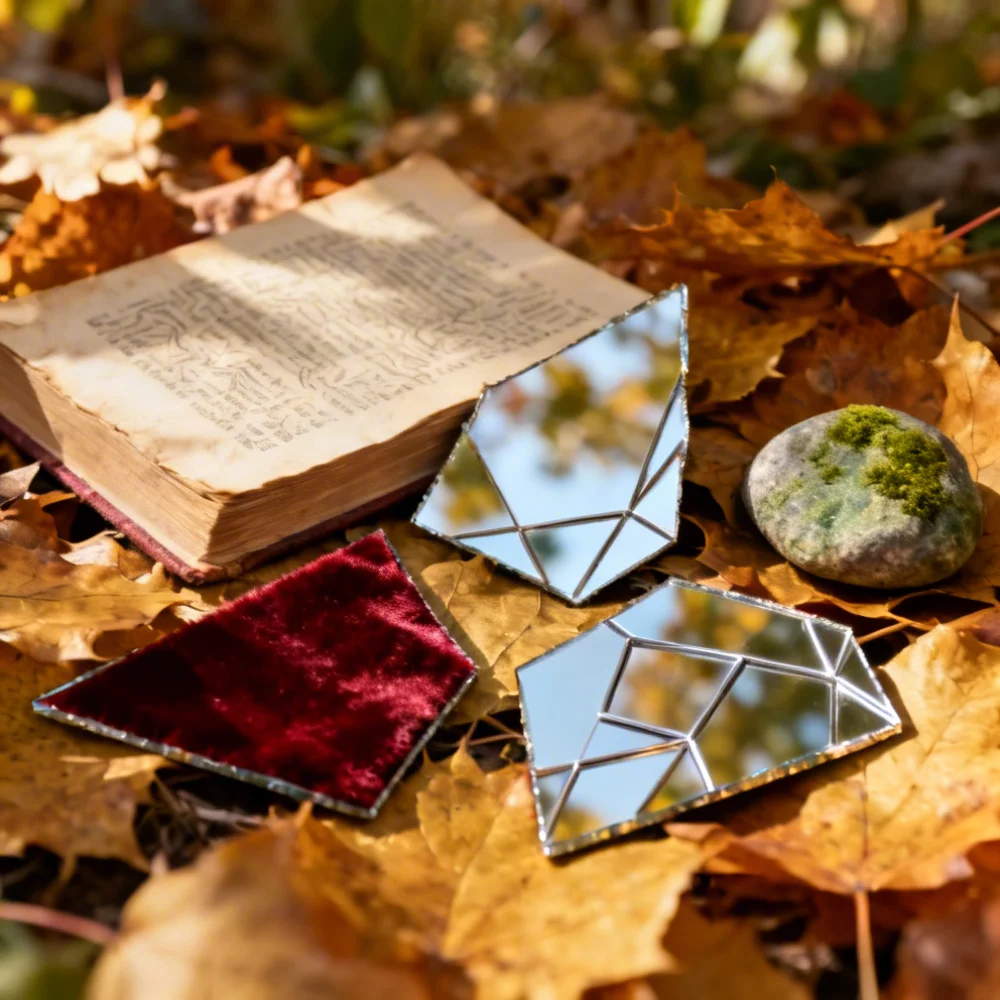
Scrolling through social media, you've likely seen the curated visuals of MBTI aesthetics—the dark academia of an INTJ, the cozy cottagecore of an INFP. But how much of this visual shorthand is rooted in the actual psychology of personality types, and how much is just a compelling internet trend? Let's separate the symbolic from the stereotypical.
The Allure and Limits of Personality Typology
At its core, the Myers-Briggs Type Indicator (MBTI) is a framework for understanding cognitive preferences, like where we direct our energy or how we make decisions. The explosion of MBTI aesthetics online, however, often packages these complex preferences into neat visual boxes. While these aesthetics can be a fun starting point for self-exploration, conflating them with a type's definitive "vibe" can obscure the rich, nuanced reality of individual personality. Research suggests personality is a spectrum, not a set of rigid categories, and the visual trends we see often reflect broader cultural moods more than psychological fact.
Myth: Your MBTI Type Has One "Correct" Aesthetic
Reality: The internet might assign a single aesthetic (like "clean minimalist" for an ISTJ or "bold maximalist" for an ESFP), but this ignores the incredible diversity within each type. An aesthetic is a cultural expression, while a cognitive type describes mental processes. Two INFJs might have completely different styles—one might resonate with mystical, ethereal visuals, while another prefers sleek, futuristic design. Their shared cognitive functions mean they both process the world through intuition and feeling, but how that manifests externally is shaped by personal history, values, subcultures, and individual taste. The idea of a monolithic visual identity for personality types is more about social media categorization than psychological accuracy.
Myth: Aesthetics Predict Compatibility or Life Success
Reality: A tempting idea online is that if you match your decor or wardrobe to your type's prescribed aesthetic, you'll be more authentic, find your "tribe," or even attract compatible partners. However, studies indicate that interpersonal compatibility and life satisfaction are influenced by a complex mix of factors like communication styles, shared values, emotional intelligence, and circumstance—not by shared visual tastes. You might love the dark, moody aesthetic associated with INTJs, but that doesn't automatically align with the strategic, systems-oriented thinking that actually defines the type. Framing aesthetics as a roadmap for relationships or success can create false expectations and overlook the deeper work of understanding oneself and others.
Myth: Changing Your Aesthetic Means You're "Mistyped"
Reality: This is a common anxiety in online personality communities: "I'm an ENTP but I hate the chaotic, meme-heavy aesthetic they're given—am I really an ENTP?" Your style evolution is a sign of personal growth, not necessarily a cognitive mismatch. Personality, according to many experts, is relatively stable in its core preferences, but how we express ourselves can and does change dramatically over a lifetime. An ISFP artist might cycle through bohemian, minimalist, and retro aesthetics as they explore different phases of creativity. The cognitive function stack (like dominant Introverted Feeling for an ISFP) describes the "engine" of their decision-making, not the "paint job" of their external presentation. Your aesthetic journey is yours alone.
Myth: Aesthetics Are a Direct Window into Cognitive Functions
Reality: This is the most nuanced misconception. While there can be symbolic links, they are often indirect and interpreted. For example, the popular "cottagecore" aesthetic for INFPs is said to reflect their Introverted Feeling (values, authenticity) and Extraverted Intuition (exploring possibilities). The connection, however, is metaphorical. There's no empirical study proving INFPs prefer floral prints. The link is constructed through shared cultural interpretation. An ESTP's Se (Extraverted Sensing) function, which engages directly with the physical environment, could manifest in an appreciation for tactile, high-quality materials or action-oriented gear, but it could just as easily express itself in athletic prowess or culinary skill, with no specific visual signature. The function drives the engagement, not the specific style.
Using Aesthetics as a Tool, Not a Rulebook
So, does this mean the entire concept of MBTI style trends is meaningless? Not at all. When used thoughtfully, these aesthetics can serve as a mirror, not a cage. They can be a launchpad for asking better questions: "Why does this dark academia mood board resonate with me? Is it the pursuit of knowledge, the sense of history, or the quiet atmosphere?" That reflection can lead you closer to understanding your own values (perhaps a love for learning or introspection) that may align with certain cognitive preferences. The key is to let the aesthetic point you inward, rather than letting it define you from the outside.
Beyond the Filter: Your Authentic Expression
The true power of personality psychology lies in self-awareness, not self-stereotyping. The curated world of personality type visuals is fun, creative, and can foster community. But your identity is more vast and dynamic than any single aesthetic. Your type describes your mental wiring—how you naturally take in information and make decisions. Your personal style, interests, and creative expression are the unique and ever-evolving output of that system, filtered through your one-of-a-kind life experiences. Don't trade the complexity of your being for a simple filter. Use these frameworks as lenses to understand your instincts, then paint your own picture with the full palette of your humanity.