

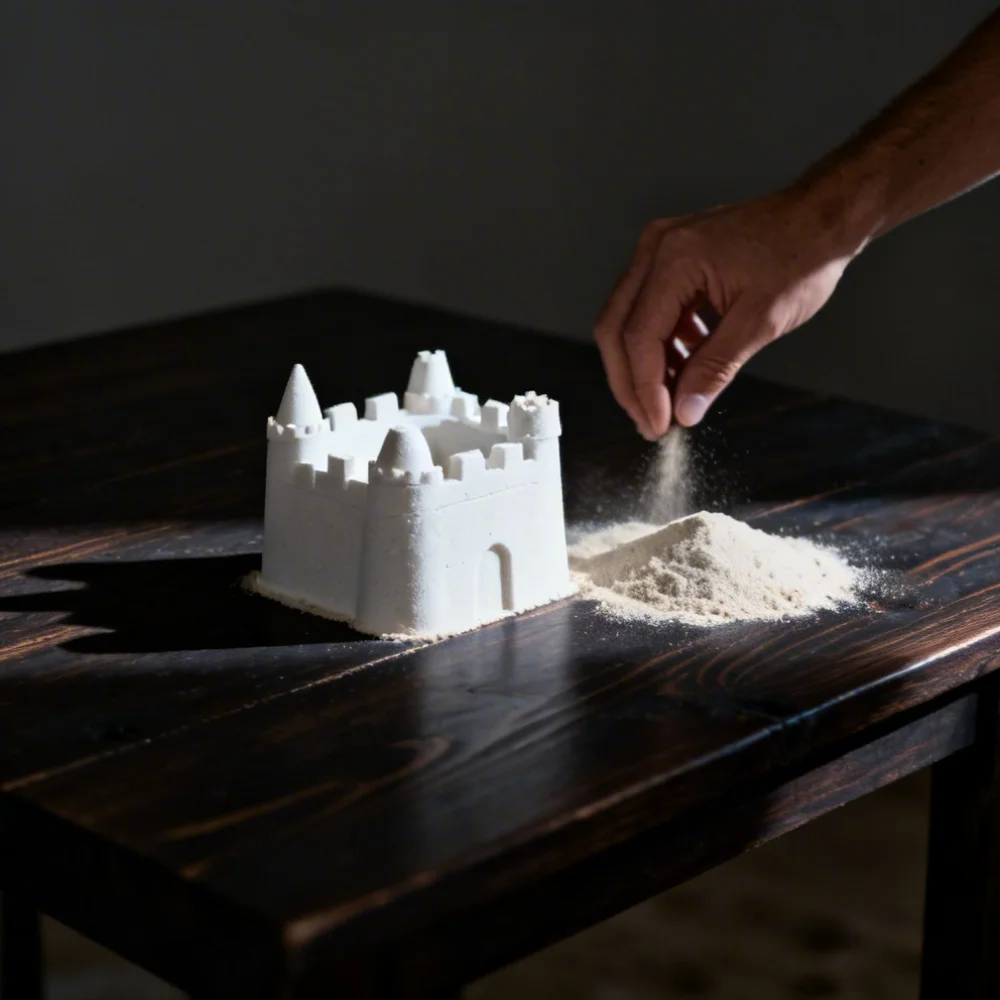
Ever feel like you're your own biggest obstacle? That frustrating cycle of getting in your own way is called self sabotage, and it's more common than you think. Let's unpack the psychology behind why we sometimes become our own worst enemies, and what it might really be trying to tell us.
Why do I always procrastinate until the last minute, even when I know it'll stress me out?
Ah, the classic "I work better under pressure" lie we tell ourselves. Research suggests this form of self sabotage often acts as a psychological shield. If you wait until the eleventh hour to start that big project, any criticism of the final product can be blamed on "not having enough time," rather than a potential lack of skill or ability. It's a protection racket for your ego. The anxiety of possibly failing when you've given your all can feel more terrifying than the stress of a rushed all-nighter. This behavior, sometimes called self-handicapping, creates a ready-made excuse. It's a twisted form of control in an uncertain situation. The temporary relief of avoiding effort, however, always comes with a hefty price tag of frantic panic later.
Why do I push people away when things start getting good?
This one cuts deep. You meet someone amazing, or a friendship is blossoming beautifully, and then... you ghost, pick fights, or create unnecessary drama. Many experts believe this relationship self sabotage is often rooted in a fear of vulnerability. True intimacy requires letting someone see the real, unfiltered you—and that's scary. If you end things first, you maintain control and avoid the potential, future pain of them rejecting the "real" you. It can also stem from a subconscious belief that you don't deserve happiness or stability, often learned from past experiences. By creating chaos, you make the environment feel familiar, even if it's unhealthy. It's like preferring a storm you know how to navigate over the terrifying calm of unknown waters.
Why do I downplay my own successes or chalk them up to "luck"?
"Oh, I just got lucky on that test," or "They probably just liked my presentation style, the content wasn't that good." Sound familiar? This is a subtle but powerful form of self-sabotaging behavior known as impostor phenomenon. By attributing success to external, unstable factors (like luck), you avoid the internal pressure of having to replicate that success consistently. If it was just a fluke, you're off the hook for next time. But this mindset robs you of the confidence that comes from owning your achievements. Studies indicate it can also be a way to avoid envy from others or to seem humble, but it ultimately undermines your own sense of competence and worth.
Why do I set goals and then immediately find a million reasons not to start?
You get pumped about a new fitness routine, a career change, or a creative project. You buy the gear, make the plan... and then the mental barrage begins: "I'm too tired," "I don't have the right skills," "It'll never work out anyway." This form of self defeat often masks a fear of the unknown or a fear of failure that feels so large, it paralyzes action. Sometimes, the fantasy of the goal—the perfect version of you who runs marathons or has a bestselling novel—is more comfortable than the gritty, imperfect reality of working toward it. Starting makes things real, and reality can be disappointing. So, the mind cleverly invents obstacles to keep you safe in the land of potential, where you can't fail because you never truly tried.
What is my self sabotage actually trying to protect me from?
This is the million-dollar question. At its core, most self-sabotaging patterns are misguided attempts at self-protection. They're like a faulty alarm system that goes off not just for real fire, but for someone lighting a candle. The alarm (your sabotaging behavior) is trying to protect the house (you) from perceived threats. Those threats are often emotional: fear of failure, fear of success and the increased expectations that come with it, fear of judgment, fear of abandonment, or a deep-seated sense of unworthiness. By understanding what your specific pattern is trying to shield you from, you can start to address the root fear rather than just fighting the symptom. It's not about being broken; it's about a part of you using the only strategy it knows to cope.
Recognizing these patterns is the first, powerful step. The next time you feel that familiar urge to procrastinate, self-criticize, or retreat, pause. Ask yourself: "What am I really afraid of here?" The answer might surprise you and open the door to a kinder, more effective way forward.