

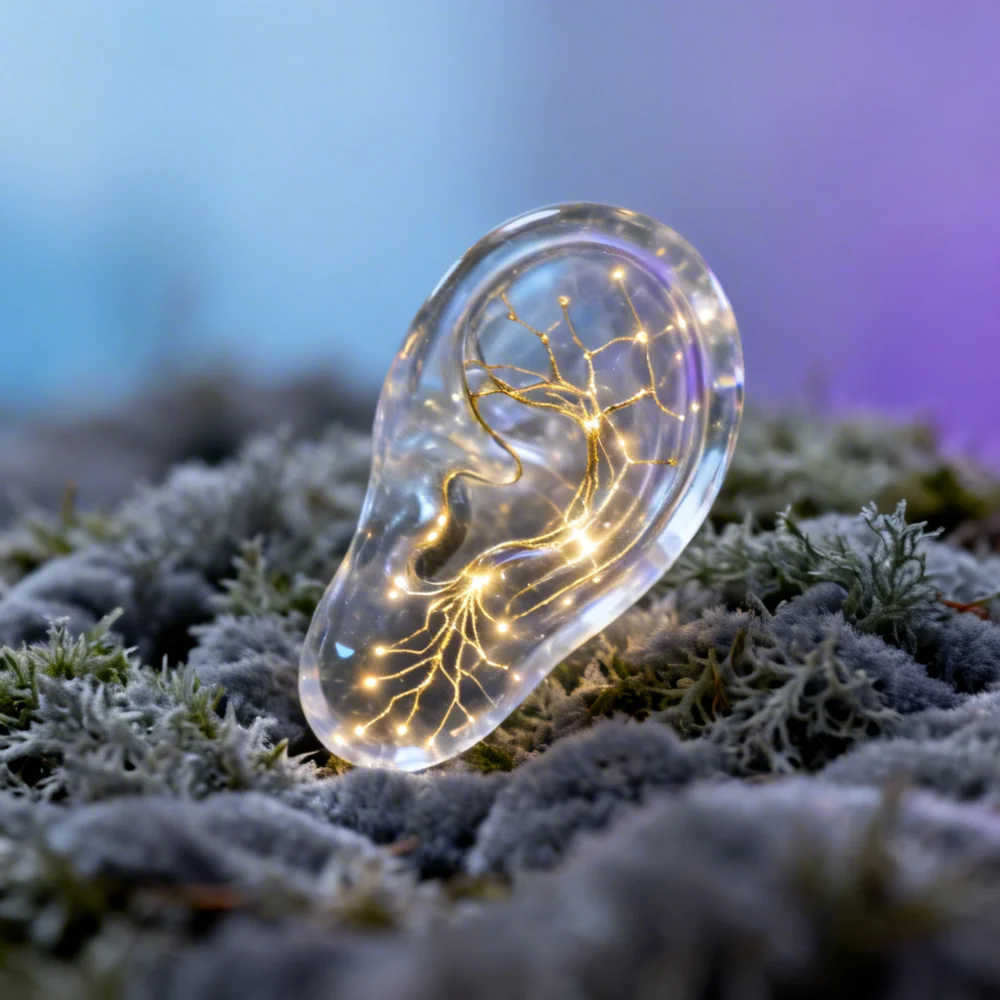
Do you feel things deeply, get easily overwhelmed, and wonder if your brain just works on a different frequency? You might be a highly sensitive person (HSP). It's not a flaw or a disorder, but a natural, research-backed trait affecting how you process sensory and emotional information. This article explores the common, often unspoken, questions that come with having a sensitive nervous system.
Why do I always feel so overwhelmed when everyone else seems fine?
You're not being "dramatic." For a highly sensitive person, the brain processes information more deeply. Think of it like having a processor with higher resolution. Where others might notice a room's general vibe, you're picking up on the flickering fluorescent light, three separate conversations, the subtle tension between two people, and the texture of your clothing—all at once. This trait, often called Sensory Processing Sensitivity, means you're not just noticing more; you're reflecting on it all. Research suggests this deep processing is linked to greater activity in brain areas associated with awareness, empathy, and integrating complex information. So, that feeling of being "overstimulated" isn't in your head—it's a real neurological response to an intense world. The key isn't to toughen up, but to learn to manage your input.
Why do I need so much downtime to recover from social events?
After a party or a busy day, do you feel like you need a full 24 hours to recharge in a quiet, dark room? This is a classic sign of someone with a sensitive temperament. Social interactions, while potentially rewarding, are incredibly rich in data for an HSP. You're not just chatting; you're likely reading micro-expressions, absorbing emotional undercurrents, and thinking deeply about what's being said (and what isn't). This is mentally and emotionally labor-intensive. Your need for solitude isn't antisocial; it's essential maintenance. It's your nervous system's way of integrating all that information and restoring its equilibrium. Think of your social energy like a phone battery that drains faster but also has a phenomenal camera—you get incredible depth, but you need to plug in more often.
Why do movies, music, and art hit me so much harder?
If a poignant scene in a film leaves you verklempt for hours, or a piece of music feels physically moving, that's your depth of processing in its beautiful, artistic form. Many experts believe that the same neurological wiring that makes HSPs susceptible to overstimulation also grants them a profound capacity for aesthetic appreciation and emotional resonance. You don't just watch a movie; you experience it. This heightened responsiveness to beauty and narrative is a gift, allowing for rich, meaningful connections to art and culture. It's the flip side of the sensitivity coin—while loud noises might be painful, a symphony can be transcendent. This trait is often linked to high levels of empathy, as you can deeply feel the emotions being portrayed, blurring the line between observer and participant.
Why do I agonize over small decisions and past conversations?
That mental replay of a five-minute chat from three days ago? For an individual with sensory processing sensitivity, it's part of the job. The deep processing brain doesn't have an "off" switch for analysis. When making decisions, you're likely considering all possible outcomes, nuances, and impacts on others, which can lead to feeling stuck. Similarly, past interactions are re-examined for layers of meaning you might have missed. This isn't necessarily anxiety (though it can fuel it); it's your brain's innate drive to thoroughly understand and learn from every experience. The challenge is learning to gently tell your brain, "We have enough data for now," and to practice self-compassion when the mental loops start spinning.
Why do I feel so deeply affected by other people's moods?
Walking into a room and instantly sensing the tension, or feeling inexplicably drained after being around a stressed-out friend, is a common experience for those with this trait. This isn't psychic ability; studies indicate it's likely linked to heightened mirror neuron activity and empathy responses in the brain. You're picking up on subtle, non-verbal cues—a slight shift in tone, body language, energy—that others filter out. While this makes you an incredibly supportive and intuitive friend, it also means you can inadvertently carry emotional weight that isn't yours to bear. Learning to distinguish between your emotions and those you've absorbed is a crucial skill for emotional well-being. It involves checking in with yourself and asking, "Is this mine, or did I pick this up from my environment?"
Understanding that you might have the traits of a highly sensitive person isn't about finding a label to hide behind. It's about gaining a framework for self-knowledge. It explains why you might need different strategies for self-care, boundaries, and navigating the world. Your sensitivity is not a weakness to be fixed, but a way of being that comes with both profound challenges and extraordinary strengths—like deep empathy, rich inner life, and conscientiousness. The goal isn't to become less sensitive, but to create a life that honors your wiring, allowing your unique depth of feeling to become your greatest asset.