

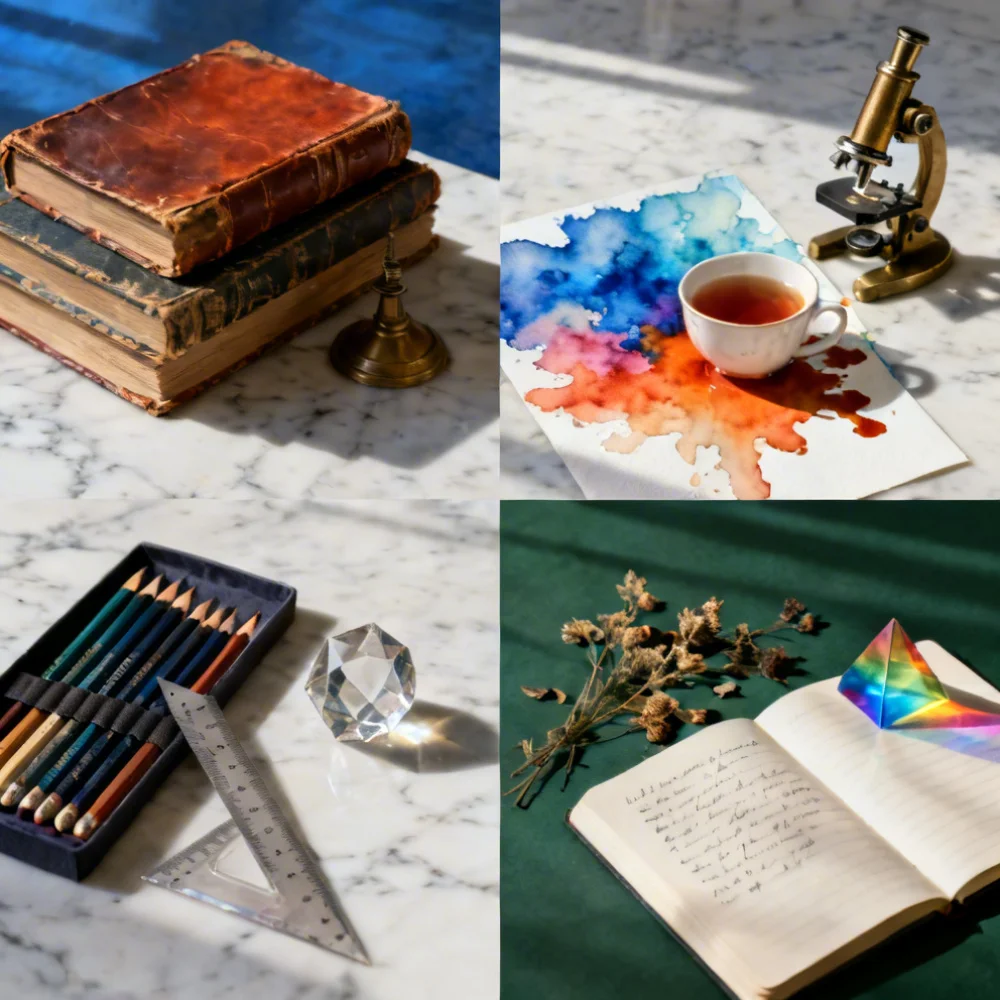
Have you ever scrolled through a mood board that felt like it was made just for you? The rise of MBTI aesthetics has turned personality types into visual playgrounds, where "dark academia" might signal an INTJ and "cottagecore" an ISFP. But this trend is more than just a social media fad; it's a fascinating window into how we use visual language to understand our inner worlds. This deep dive explores the psychology behind why we map aesthetics to personality frameworks, what the research says about this phenomenon, and how to thoughtfully engage with this visual self-discovery tool.
From Jungian Theory to Instagram Mood Boards
The Myers-Briggs Type Indicator (MBTI) categorizes personality based on four dichotomies: Introversion/Extraversion, Sensing/Intuition, Thinking/Feeling, and Judging/Perceiving. While the MBTI itself is a psychological tool, its migration into popular culture has spawned a unique visual lexicon. An MBTI aesthetic is essentially a curated set of images, colors, textures, and cultural references that a community collectively agrees "fits" a particular personality type. For instance, the INFJ type is often associated with melancholic, poetic visuals and a "old soul" vibe, while an ESTP might be linked with dynamic, high-energy, and sleek imagery. This process of visual typing allows individuals to externalize their internal sense of identity, creating a shorthand for self-expression and community belonging.
Why We Crave Visual Personality Archetypes
The human brain is wired for pattern recognition. Assigning a visual theme to a complex personality construct helps make abstract psychological concepts tangible and relatable. Research from cognitive psychology suggests that we use mental models, or schemas, to quickly process information about ourselves and others. An aesthetic acts as a visual schema. When someone identifies with the "light, airy, and minimalist" aesthetic often linked to INTP types, they're not saying every INTP must decorate their home a certain way. Instead, they're connecting to the underlying themes of that aesthetic—perhaps a love for logic, simplicity, and abstract thought—that resonate with their self-perception. This visual-personality mapping satisfies a deep-seated need for coherence, helping individuals craft a narrative about who they are.
The Social and Algorithmic Fuel of the Trend
Social media platforms, particularly TikTok, Instagram, and Pinterest, have acted as accelerants for the personality aesthetics trend. Algorithms learn to serve users content that aligns with their expressed interests, creating powerful feedback loops. If you engage with content tagged #ENFJaesthetic, you'll see more of it, reinforcing the association. Furthermore, these visual tribes offer instant community. Identifying with the "chaotic academia" of an ENTP provides a sense of belonging and shared identity with strangers across the globe. It's a modern, digital form of social bonding where shared visual taste becomes a proxy for shared values and cognitive styles, building connections based on perceived psychological similarity.
What Research Says About Personality and Aesthetic Preference
While the specific link between MBTI types and modern internet aesthetics hasn't been directly studied, decades of psychological research do connect broad personality traits to aesthetic and artistic preferences. Studies in the field of empirical aesthetics suggest that personality dimensions from the Five-Factor Model (which shares some conceptual overlap with MBTI dichotomies) can predict tastes. For example, research has consistently found that the trait of Openness to Experience is strongly linked to a preference for complex, abstract, and unconventional art. Individuals high in Openness might be drawn to the eclectic, surreal visuals sometimes associated with intuitive (N) MBTI types. Similarly, some studies indicate that people higher in Conscientiousness may prefer orderly, symmetrical, and traditional designs, which loosely parallels the structured world often depicted in "Judging" type aesthetics. It's crucial to note that these are general probabilistic trends, not deterministic rules. Experts emphasize that aesthetic preference is shaped by a multitude of factors including culture, personal history, and current mood, not personality alone.
Navigating the Pitfalls: Stereotypes vs. Self-Discovery
The most significant risk in the world of MBTI aesthetics is the temptation to treat them as prescriptive boxes rather than descriptive starting points. A personality framework, whether MBTI or another model, is meant to illuminate general patterns, not erase individual nuance. The danger lies in "aesthetic stereotyping," where someone might feel pressure to conform to the visual trend associated with their type, stifling their authentic tastes. For instance, an Extraverted person who genuinely loves quiet, minimalist spaces shouldn't feel they must adopt a "maximalist" decor because it's the trending aesthetic for their type. The healthiest approach is to use these visual archetypes as a mirror for reflection, not a mold to pour yourself into. Ask: "Which elements of this aesthetic resonate with me, and why? Which don't?" This turns a passive consumption of trends into an active exercise in self-awareness.
Your Aesthetic as a Tool, Not a Label
So, how can you engage with personality aesthetics in a way that is empowering rather than limiting? First, use them as a source of inspiration, not instruction. Browse the mood boards for your type (and others!) to see what sparks joy or curiosity. Second, practice aesthetic synthesis. You are not one type of person in every situation; your style can be a blend. Maybe the structured elegance of an ISTJ aesthetic appeals to your professional side, while the whimsical nature of an INFP palette feels right for your creative hobbies. Finally, remember that aesthetics evolve. The visual themes you connect with at 20 may shift by 30, and that's a reflection of growth, not inconsistency. Your aesthetic is a dynamic portrait of your journey, not a fixed brand. By holding these visual associations lightly, you can enjoy the creative community and self-exploration they offer without letting them define you.