
We all have that one friend. The one whose Instagram stories are a blur of 5 AM workouts, oat milk lattes, and laptop screens glowing in co-working spaces. She's building her empire, one side-hustle at a time. But lately, her 'rise and grind' captions feel less like a battle cry and more like a quiet plea. If you've felt the creeping exhaustion behind the curated productivity, you're not alone. Welcome to the era of girlboss burnout, where the dream of having it all meets the reality of doing it all.
The Hustle Hangover: When Ambition Meets Exhaustion
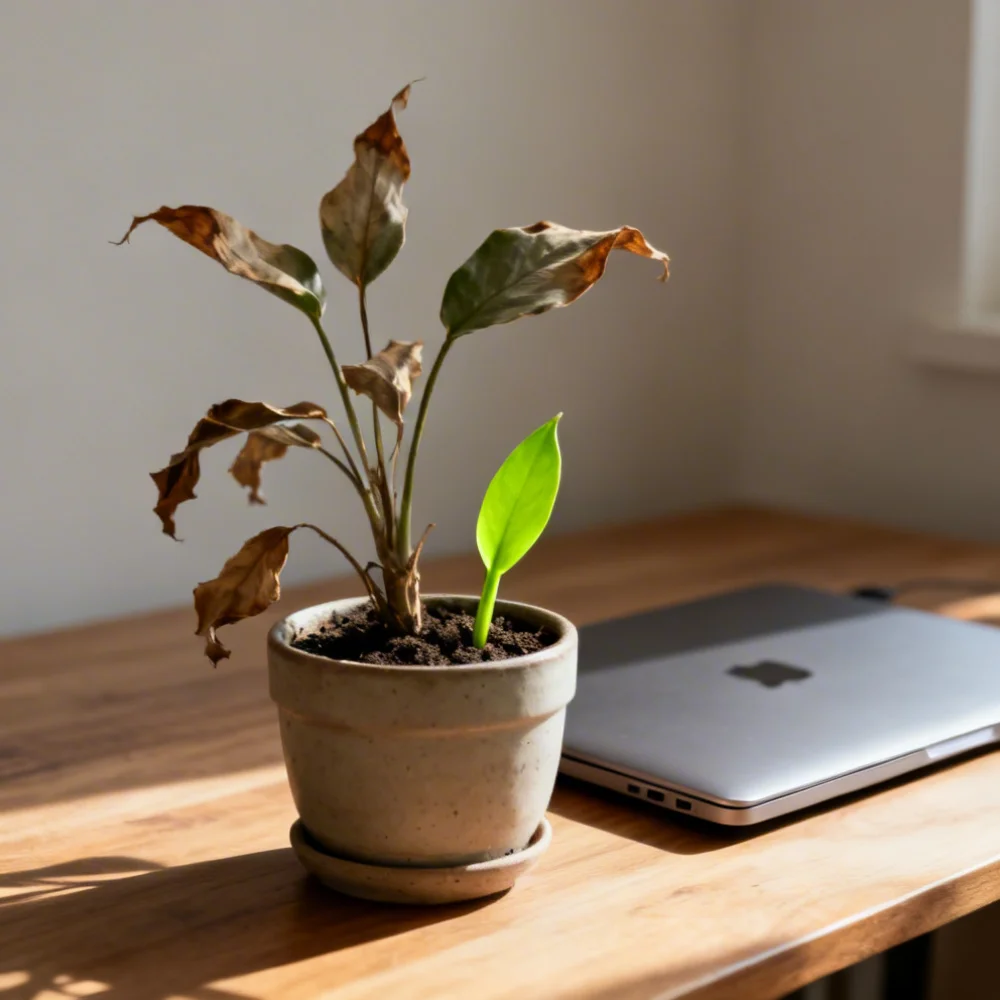
It starts subtly. The extra cup of coffee becomes a necessity, not a treat. The to-do list that once felt like a map to success now looks like a life sentence. We've been sold a powerful narrative: that our worth is tied to our output, that sleep is for the weak, and that 'self-care' is just another item to schedule between meetings. This isn't just being tired; it's a specific flavor of emotional and physical depletion born from the pressure to perform perfection in every role. Research suggests that chronic stress from unsustainable work cultures can lead to a state of cynicism, detachment, and a reduced sense of accomplishment—hallmarks of burnout. For many, the female founder fatigue or side-hustle slump isn't a sign of failure, but a system pushing back.
From Glow-Up to Burnout: The Signs We Ignore
How do you know if you're just in a busy season or genuinely burning out? It's often the small things we rationalize away. That constant low-grade irritability with colleagues or loved ones. The loss of joy for projects that once sparked excitement. The brain fog that makes simple decisions feel monumental. Many experts believe burnout manifests in three key areas: overwhelming exhaustion, feelings of cynicism and detachment from your job, and a sense of ineffectiveness and lack of accomplishment. We might joke about being 'tired in our souls,' but that phrase captures the deep weariness that a weekend of sleep can't fix. It's the body and mind's final, forceful memo that the current pace is not a pace at all, but a crash course.
The Myth of the "Lazy" Girlboss
Perhaps the most insidious part of this experience is the guilt. In a culture that celebrates non-stop hustle, stopping feels like a moral failing. We internalize the fear of being seen as "lazy" or ungrateful for the opportunities we've fought for. This creates a vicious cycle: we burn out from overwork, feel ashamed for burning out, and then try to solve it by... working harder to prove we're not lazy. Studies indicate that this kind of perfectionistic self-presentation can be a significant contributor to stress and anxiety. Untangling our self-worth from our productivity is perhaps the most radical, and difficult, step toward healing from ambition exhaustion.
Boundaries Are Not a Buzzword; They're a Lifeline
If hustling harder isn't the answer, what is? It often begins with the terrifying, liberating act of setting a boundary. This doesn't mean quitting your dreams. It means redesigning them with sustainability in mind. It could look like not checking email after 7 PM, saying "no" to a project that doesn't align, or blocking out literal "do nothing" time in your calendar. For the chronic achiever, true rest feels illicit. But research in occupational health psychology consistently highlights recovery periods—both daily and longer-term—as essential for preventing burnout. A boundary is simply a statement of what you need to keep showing up as your best self, not a diminished version running on fumes.
Redefining Success on Your Own Terms
The original 'girlboss' archetype promised a certain kind of success: sleek, fast, and Instagrammable. Healing from girlboss burnout asks us to draft a new definition. What if success included energy at the end of the day for your hobbies? What if it meant having a quiet Saturday with no deliverables? Success could be defined by the quality of your relationships, the depth of your learning, or simply the presence of peace. This isn't about lowering ambitions, but about expanding them to include your wellbeing as a non-negotiable KPI (Key Performance Indicator).
The Gentle Comeback: Building a Sustainable Rhythm
Recovery is rarely a dramatic montage. It's a slow, gentle comeback. It's drinking water before coffee. It's a five-minute walk without a podcast. It's rediscovering an old hobby with no intention of monetizing it. The goal isn't to attack your life with a new, punishing self-optimization plan. The goal is to listen. To notice what drains you and what genuinely fills you up—without judgment. Many wellness frameworks suggest that sustainable energy management is about balancing expenditure with renewal across all areas of life, not just work. This is the antithesis of the hustle; it's a conscious, compassionate cultivation of a life that doesn't require constant recovery from itself.
So here's the quiet, rebellious insight we're left with: sometimes, the most powerful thing a "girlboss" can do is not to build, scale, or optimize, but to pause. To question the script she was given. Burnout isn't a personal defect; it's often a sign that you are a human being in a system that forgot what being human requires. The path forward isn't found in another productivity hack, but in the courageous, messy work of aligning your daily life with what you truly value—rest, connection, and joy included. Your worth was never in the hustle. It was always in you.