

You're not sad, you're just "choosing a bad vibe." You're not struggling, you just need to "manifest better." This relentless pressure to be perpetually upbeat is called toxic positivity, and it's a fast track to feeling completely alone in your own life. It's the psychological equivalent of putting a "live, laugh, love" sign on a burning building.
The Before: When Good Vibes Go Bad
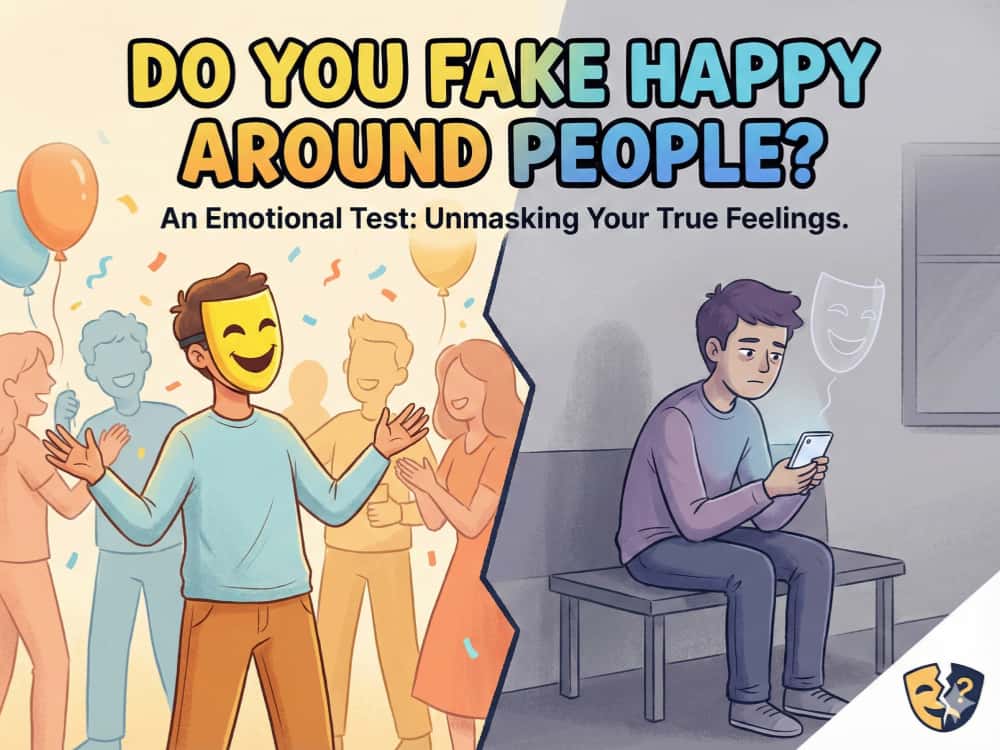
Remember the last time you felt genuinely down? Maybe you shared a sliver of that feeling. The response was likely swift. "Just think positive!" "It could be worse!" "Everything happens for a reason!" You nodded, plastered on a smile, and swallowed the rest. This is the before state: a life curated for external approval, where your authentic emotional experience is treated as a problem to be solved with a platitude. You become a master of the performative smile, all while a quiet resentment builds. You stop sharing real struggles because the scripted, sunny responses feel worse than the silence. Research suggests that invalidating genuine emotional experiences in this way can actually increase psychological distress, making people feel misunderstood and isolated.
The Psychological Payoff (And Why It Backfires)
So why do we do this to ourselves and others? The mechanism is often about emotional bypassing and social safety. On a personal level, sitting with discomfort, grief, or anger is hard work. Forced optimism is a shortcut. It's an attempt to mentally fast-forward through the messy parts of being human. In groups, it becomes a social rule. If everyone agrees to only focus on the positive, no one has to deal with the uncomfortable, complex realities that might cause conflict or require real support. Many experts believe this culture of compulsory cheerfulness creates a superficial connection that masks deeper loneliness. It trades authentic relationships for a polished, emotionally sterile facade.
Spotting the Script: Phrases That Signal Toxic Positivity
You can't fix what you can't name. This brand of forced optimism often hides in language that sounds helpful. Start listening for these semantic red flags. The minimization squad: "It's not that bad," "Others have it worse." The silver-lining hunters: "Everything happens for a reason," "Look on the bright side." The spiritual bypassers: "Just send it love and light," "Positive vibes only." The solution-forcers: "Don't dwell on it," "Just be happy!" These phrases, often well-intentioned, act as conversational stop signs. They shut down the sharing of real emotion and replace empathy with a demand for emotional conformity.
The Bridge: From Bypassing to Feeling
The transformation doesn't start with more positivity. It starts with permission. The first, most radical step is to grant yourself and others the basic human right to feel a full spectrum of emotions without immediate judgment or "fixing." This is the core of emotional validation. When a difficult feeling arises, try this instead of slapping on a happy thought. Pause. Name the emotion. Is it frustration? Grief? Overwhelm? Simply acknowledging "This is anger" or "This is sadness" is a powerful act of self-respect. Studies indicate that naming emotions can reduce their intensity and help the nervous system regulate. Next, practice curiosity, not condemnation. Ask yourself, "What is this feeling trying to tell me?" Anger might signal a boundary was crossed. Sadness might point to a loss that needs grieving. This shifts the internal narrative from "I shouldn't feel this" to "This feeling has data for me."
Radical Acceptance Over False Positivity
This is where the real shift happens. The aspirational "after" state isn't a life of non-stop joy. It's a life of radical authenticity. It looks like having the courage to say, "I'm having a hard time right now," without immediately following it with a caveat. It sounds like responding to a friend' pain with, "That sounds incredibly difficult. I'm here with you," instead of offering an unsolicited solution. It feels like the profound relief of no longer performing emotional labor for an invisible audience. You develop what psychologists call emotional agility—the ability to navigate life's ups and downs with awareness and context, not just a reflexive smile. Your relationships deepen because they are built on the solid ground of reality, not the shaky facade of performative cheer.
Your New Emotional Vocabulary
Replace the old scripts with language that creates space. For yourself, try: "I'm allowing myself to feel this right now." "This is tough, and it's okay that it's tough." For supporting others, use: "I hear you. That sounds really challenging." "I don't know what to say, but I'm glad you told me." "Would you like me to just listen, or are you looking for help problem-solving?" This last question is a game-changer. It respects the other person's agency and moves you from being a fixer to being a witness—which is often what people truly need. This approach fosters genuine optimism, the kind that acknowledges the storm but remembers you've weathered storms before.
The After: Living in Full Color
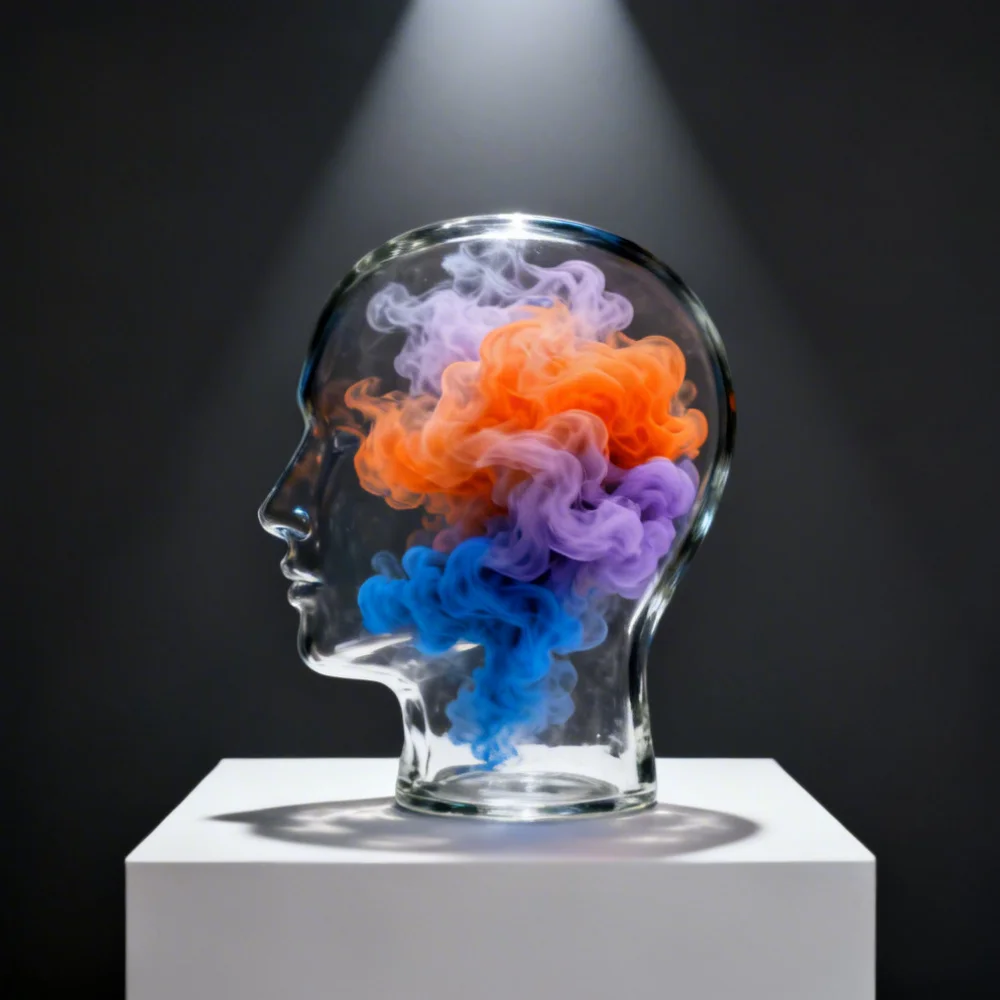
The final stage isn't about eliminating negative thoughts. It's about integration. You stop seeing emotions as "positive" or "negative." You start seeing them as information, energy, and part of the human contract. Joy becomes more vibrant because it isn't forced. Resilience grows because it's built on honestly facing challenges, not pretending they don't exist. You might find that by making room for the so-called "bad" feelings, they actually pass through you more quickly. You become someone who can hold hope and despair in the same hand without contradiction. This is the antidote to toxic positivity: not cynicism, but wholeness. The goal is no longer to be happy all the time. The goal is to be real, to be connected, and to be fully, messily, authentically alive.
So, the next time you feel the pressure to "just be positive," ask yourself a simpler question: Can I just be human? That's where the real healing—and the real connection—begins.