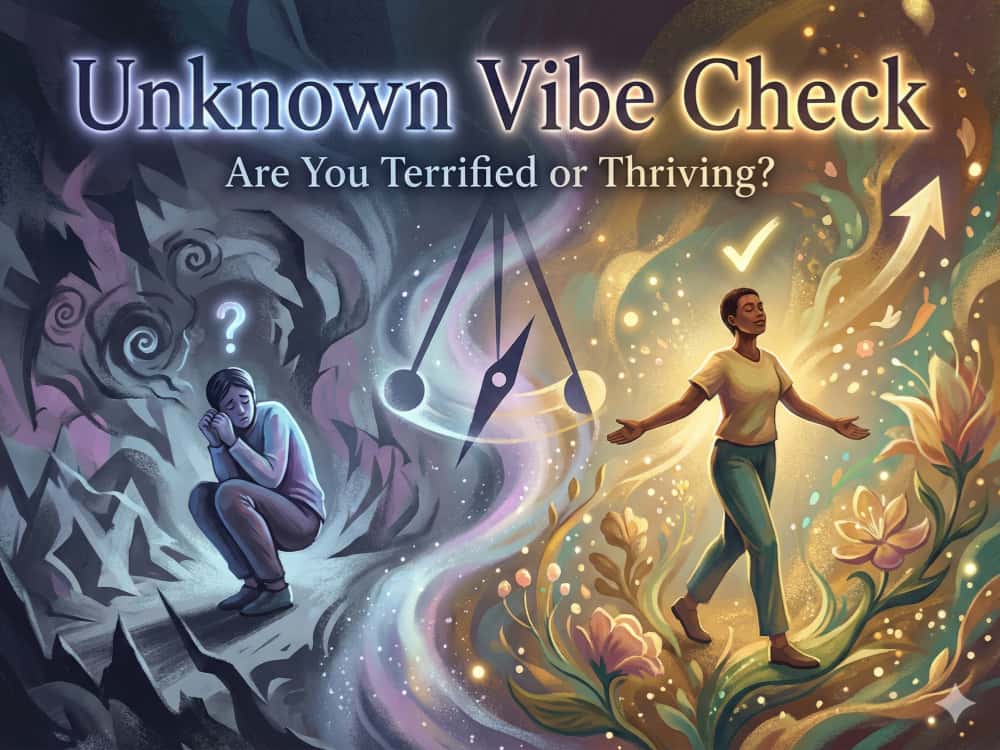
You've had it. The soul-crushing meeting, the passive-aggressive email, the sheer, unadulterated nonsense of it all. So you open up your laptop, fire up LinkedIn, and start shotgunning your resume into the digital void. Welcome to the world of rage applying, the modern career impulse born from equal parts frustration and hope. But is this viral trend a brilliant strategy or a professional panic attack? Let's separate the cathartic fantasy from the strategic reality.
Myth: Rage Applying Is a Power Move That Puts You in the Driver's Seat
Reality: It's often a reactive, not proactive, state. The fantasy is one of ultimate control: "I'm outta here, and I'll have five offers by Friday!" The reality, as many career experts note, is that rage applying is frequently driven by a feeling of powerlessness. When you feel trapped or disrespected, the act of hitting "submit" can feel like reclaiming agency. However, research on decision-making under emotional distress suggests that actions born from high-intensity emotions like anger or frustration are rarely our most strategic. You might be in the driver's seat, but you're flooring the gas with the GPS off. The power move isn't the frantic application spree itself; it's the conscious decision to explore your options after the emotional wave has crested.
Myth: It's Just a Harmless Venting Mechanism, Like Screaming Into a Pillow
Reality: It can have real professional consequences, both internal and external. Sure, applying for jobs feels more productive than, say, keying your boss's car (legally and ethically superior, we must add). But it's not consequence-free. Externally, a hastily written, typo-ridden cover letter sent to your dream company at 11 p.m. can burn a bridge. Internally, psychology suggests that while action can alleviate feelings of helplessness, reinforcing a cycle of "trigger-frustration-impulsive action" might not build the resilience or boundary-setting skills needed for long-term career satisfaction. It treats a symptom (acute frustration) but may not address the cause (a misaligned role, poor management, burnout).
Myth: Any Job You Get From Rage Applying Is Automatically Better
Reality: You risk trading one set of problems for another, potentially unknown, set. The core logic of rage applying is "anything must be better than this." This is a dangerous assumption. The energy of desperation can cloud your judgment, leading you to overlook red flags in a new company's culture, gloss over a problematic job description, or accept a role that doesn't align with your skills or values. You might escape a bad manager only to land with a worse one, or leave a boring role for a high-stress one you're not prepared for. Studies on job change satisfaction indicate that moves made from a place of "running from" something are often less successful than those made from a place of "running toward" a clear, positive goal.
Myth: It's a New, Gen-Z-Invented Phenomenon
Reality: It's an old behavior with a very new, very online name. The act of impulsively job-hunting after a bad day is as old as work itself. What's new is the scale, speed, and community around it. Platforms like LinkedIn and Indeed make it possible to apply to dozens of jobs in an hour—a "spray and pray" approach that previous generations couldn't physically execute with mailed resumes. Furthermore, naming it (rage applying) and discussing it on social media has normalized and even glamorized the impulse. It's transformed a private moment of frustration into a shared cultural experience. This can be validating ("I'm not alone!") but can also, as behavioral science suggests, reinforce the behavior as a primary coping mechanism rather than one tool among many.
So, What's the Alternative to the Career Tantrum?
The real value in recognizing the rage applying impulse isn't to shame it, but to use it as a diagnostic tool. That surge of "I QUIT" energy is a blazing signal from your psyche. The key is to not let that signal immediately dictate your actions. Instead, use it to ask better questions. What specific incident triggered this? (A micromanaging comment? An unfair workload?) Is this a chronic issue or a one-off bad day? What does this rage tell me I need more of—autonomy, respect, growth, balance? Channel the initial energy into updating your resume and portfolio calmly. Research companies you genuinely admire. Network when you're not seething. This transforms a reactive outburst into a proactive, empowered job search strategy. The goal isn't to never feel the urge, but to build a bridge between that feeling and a thoughtful, strategic response that actually serves your long-term happiness.