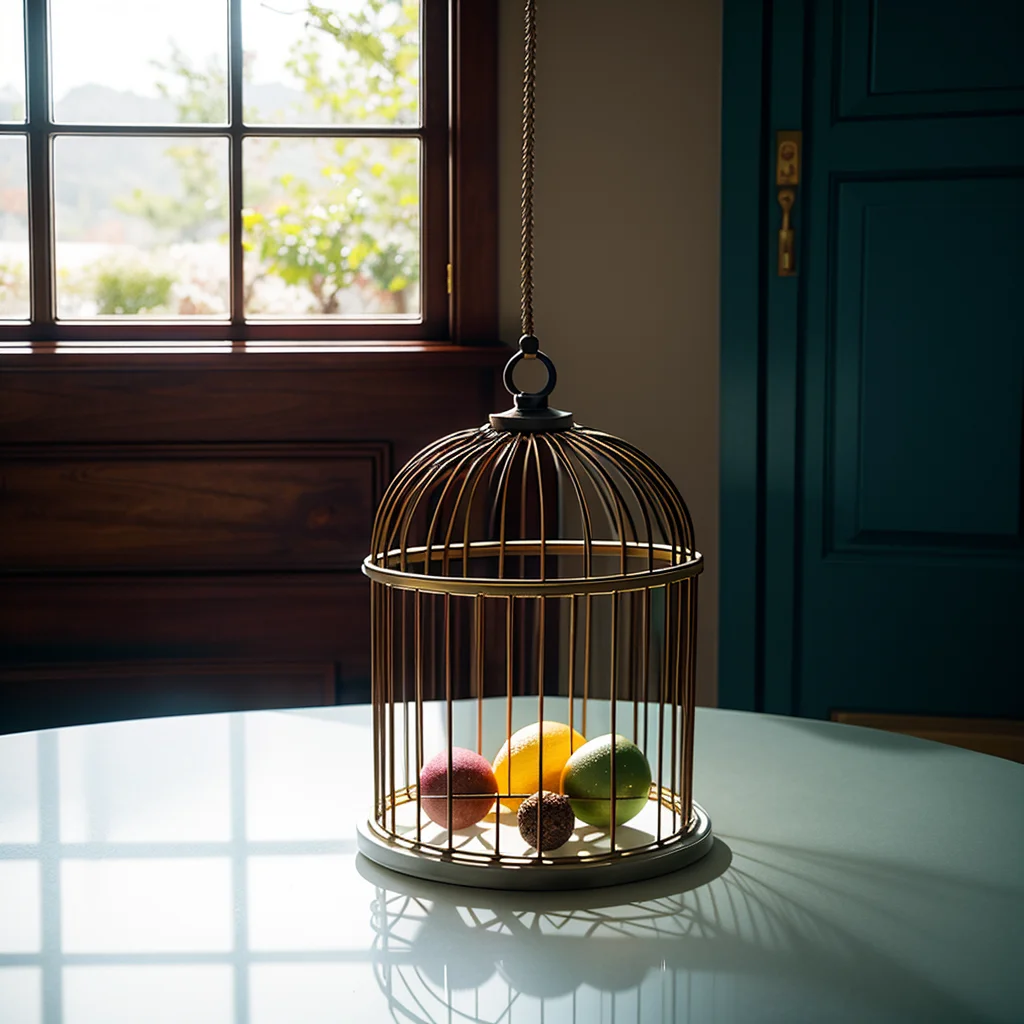


We all have that one friend. The one whose dating history looks like a casting call for the same character, played by slightly different actors. The "type" is so specific, so predictable, that we could write their dating profile for them. But what happens when the algorithm of our own desires glitches? What magic (or mild chaos) unfolds when we try dating outside your type? Let's be honest, most of us secretly know our type is a beautifully constructed cage.
The Anatomy of a "Type": It's Not Just About Hair Color
Our "type" isn't born in a vacuum. It's a Frankenstein's monster stitched together from past crushes, cultural messaging, unresolved parental dynamics, and that one character from a show we binge-watched at a formative age. Research suggests our attractions are often less about conscious choice and more about familiar patterns, even if those patterns haven't exactly led to lasting joy. We gravitate toward the familiar because our brains are wired to seek predictability, mistaking it for safety. So, when we consider stepping outside this comfort zone, it can feel less like an adventure and more like a system error. "Does not compute," whirrs the brain, as you swipe right on someone whose bio mentions a hobby you've actively mocked.
The Comfort Zone is a Beautiful Prison
Dating within your type offers the seductive illusion of control. You know the script. You know the likely conflicts (the "artistic" one will be flaky with plans, the "ambitious" one will forget your anniversary). There's a strange comfort in the known quantity, even when that quantity comes with a known set of problems. This is why venturing beyond your usual romantic preferences can feel so disorienting. You're not just meeting a new person; you're temporarily firing the internal committee that has been in charge of your attractions for years. The silence in that boardroom is deafening.
What You're Really Afraid Of (It's Not Them)
Let's name the quiet part. The resistance to expanding your dating pool often has little to do with the other person and everything to do with a fear of discovering something new about yourself. If your "type" is the aloof intellectual, dating someone warm and openly affectionate might force you to confront your own discomfort with vulnerability. If you always go for the "life of the party," a quiet homebody might reveal how much you use external noise to avoid your own thoughts. Dating outside your type is, at its core, a profound act of self-inquiry. The question shifts from "Do they fit my mold?" to "What does my attraction to this mold say about me?"
The Unlikely Benefits of Romantic Cognitive Dissonance
When you date someone who doesn't match your established checklist, something fascinating happens: you have to pay attention. There's no autopilot. Conversations can't rely on well-worn tropes. You might discover that a shared value you never thought to list—like kindness to service workers or a curious mind—trumps a superficial trait you considered non-negotiable. Many experts believe that this kind of romantic exploration can actually build neural pathways associated with flexibility and reduced bias. It's less about finding "The One" and more about reminding yourself that you are a complex, evolving person capable of connecting in ways you hadn't previously mapped.
How to Dip a Toe Outside the Box (Without Panicking)
This isn't about forcing yourself to date someone you have zero attraction to. That's just performative and unkind to everyone involved. It's about loosening the grip. Try this: go on an app and swipe right on three people who intrigue you but who don't visually or superficially fit your usual pattern. Have one conversation. Notice what questions you ask when you can't rely on assumptions. In real life, say yes to the setup from the friend who "never gets your type." Frame it as a social experiment in human connection, not a prelude to marriage. The goal is exposure therapy for your own preconceptions.
When Your "Type" is Actually a Red Flag in Disguise
This is the tough-love section. Sometimes, a rigidly held "type" is less about preference and more about an unhealed wound. If your type is consistently "emotionally unavailable," "needs fixing," or "validates my insecurities," then dating outside that pattern isn't just a fun experiment—it might be a necessary step toward healthier attachment. Studies indicate we often confuse intensity (drama, push-pull, anxiety) for passion. Choosing someone who offers calm, consistent interest can feel, ironically, boring or "wrong" to a system hooked on cortisol spikes. If this rings a bell, the work isn't about dating; it's about understanding why chaos feels like home.
So, here's the empowering, slightly vulnerable insight we've been circling: Your "type" is a story you've been telling yourself. And like any good story, it can be edited, revised, or shelved for a brand-new draft. Dating outside your type isn't a betrayal of your true self; it's an invitation to meet more of who you could be. It's recognizing that the person you're trying to find might be waiting just beyond the borders of the person you've been trying to find. The next time you feel that familiar pull toward the known, take a breath. Then, just for a moment, look in the opposite direction. The view from outside the box is a lot brighter than you think.