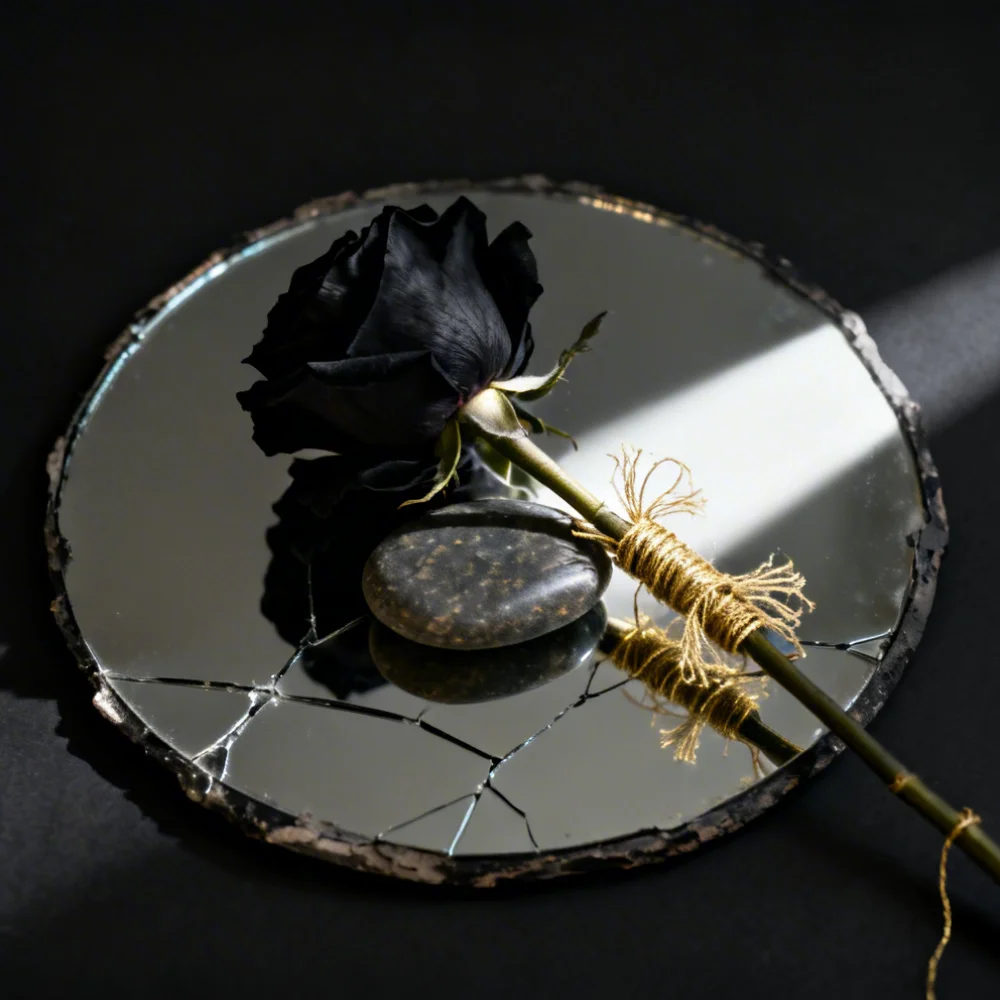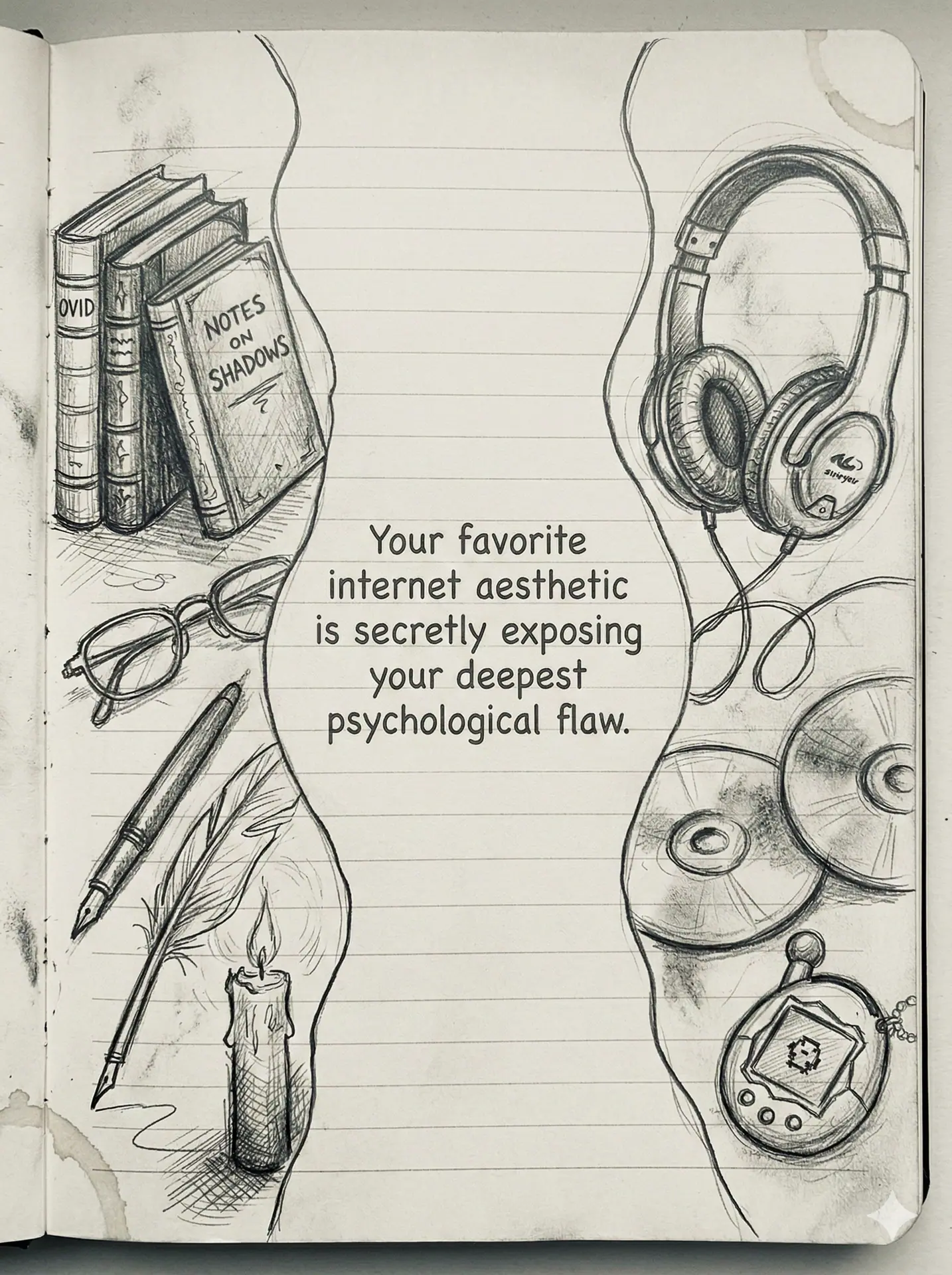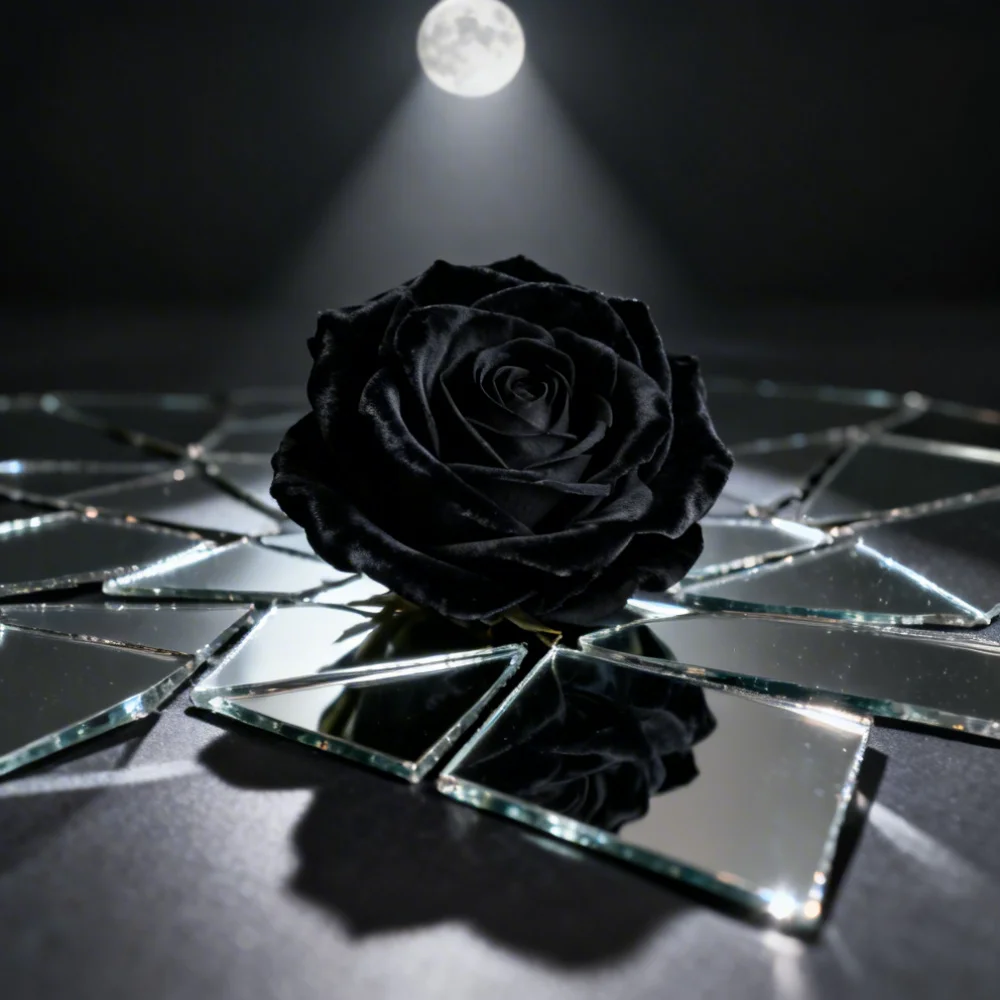
You've probably seen the term "dark feminine energy" floating around your social feeds, sandwiched between astrology memes and self-care routines. But what does it actually mean beyond the moody aesthetics? Let's pull back the velvet curtain. This isn't about being "evil" or manipulative; it's about reclaiming power, intuition, and a depth of being that society often asks us to dim. Think of it as the psychological counterpart to embracing your full, complex self—shadows and all.
So, What Exactly Is Dark Feminine Energy?
First, a crucial disclaimer: "feminine" here isn't about gender. It's an archetypal energy, a set of traits and modes of being that anyone can connect with, regardless of identity. If the "light" or "softer" feminine archetype is often associated with nurturing, compassion, and openness, the dark feminine represents its complementary counterpart. We're talking about traits like profound intuition, magnetic mystery, unapologetic boundaries, sensual embodiment, and a fierce protectiveness of one's inner world. It's the energy of the moonlit part of the cycle—introspective, regenerative, and powerfully still. In a culture that often rewards constant visibility and agreeable positivity, connecting with dark feminine energy can be a radical act of self-honesty.
Myth-Busting: It's Not What You Think
Thanks to some questionable online lore, this concept gets a bad rap. Let's clear the air. Embracing this energy is not about cultivating toxicity, playing mind games, or adopting a "mean girl" persona. That's just... being a jerk, and it's ironically disempowering. The real power of the dark feminine archetype lies in its authenticity. It's the quiet confidence of knowing your worth without needing to shout it. It's the discernment to know when to be soft and when to be firm. It's rejecting the performance of constant niceness in favor of genuine integrity. Think less villain origin story, more wise protagonist who finally stops following someone else's script.
What Research Says About Archetypes and the Self
While "dark feminine energy" itself isn't a clinical term, the psychological concepts it touches on are well-researched. Carl Jung's work on archetypes—universal, symbolic patterns within our collective unconscious&mdos;suggests that figures like the "Great Mother" or the "Soulmate" (Anima/Animus) contain both light and dark aspects. Integrating these aspects, a process Jung called "individuation," is considered by many psychologists to be key to psychological wholeness. Furthermore, studies on self-concept indicate that acknowledging and accepting all parts of oneself—strengths and perceived flaws—is linked to greater psychological resilience and well-being. So, while the internet's packaging is new, the core idea of embracing complexity has deep roots in psychological thought.
The Core Traits of a Dark Feminine Archetype
Let's get practical. What does this energy look like in day-to-day life? It's less about a specific aesthetic and more about an internal posture. Key characteristics often include: Deep Intuition: Trusting that gut feeling before logic can even catch up. Magnetic Mystery: Being comfortable with not oversharing, maintaining a rich inner life that isn't for public consumption. Unshakeable Boundaries: Saying "no" with clarity and without guilt, protecting your time and energy like the precious resources they are. Sensual Embodiment: Being present in your physical experience, enjoying sensory pleasures, and rejecting shame around the body. Emotional Depth: Allowing yourself to feel the full spectrum of emotions, not just the "positive" ones, understanding that anger can be informative and sadness can be transformative.
How to Cultivate This Energy in Your Own Life
Ready to explore? This isn't about a personality overhaul. It's about small, conscious shifts. Start by auditing your energy output. Where are you saying "yes" out of obligation? Practice pausing before you answer requests. Next, create space for solitude. This energy thrives in reflection. Carve out time with no agenda—no podcasts, no scrolling—just you and your thoughts. Reconnect with your body through movement you enjoy, whether it's dancing, yoga, or a walk in nature. Listen to what it needs. Finally, observe your self-talk. When you make a boundary, does an inner voice call you "selfish"? That's the old script. Thank it for its concern, and choose a new narrative centered on self-respect.
The Balance: Integrating Light and Dark
Here's the most important part: this isn't an either/or game. The goal isn't to swap "light" for "dark." A truly empowered sense of self comes from having access to the full range of your being. There are moments that call for radiant, open-hearted generosity (the light), and moments that call for protected, discerning introspection (the dark). Think of it like a dial, not a switch. The magic happens in the integration—being compassionate yet boundaried, vulnerable yet resilient, ambitious yet deeply rooted. It's about becoming fluid, not fixed.
So, the next time you see that term "dark feminine energy," remember: it's an invitation. An invitation to stop fragmenting yourself to fit in, to honor your intuition as a valid form of intelligence, and to stand in your power with quiet assurance. It's not about becoming someone else; it's about coming home to the most authentic, complete version of you that was there all along. The journey starts with a simple question: What part of yourself have you been asking to stay quiet, and what might it say if you finally listened?