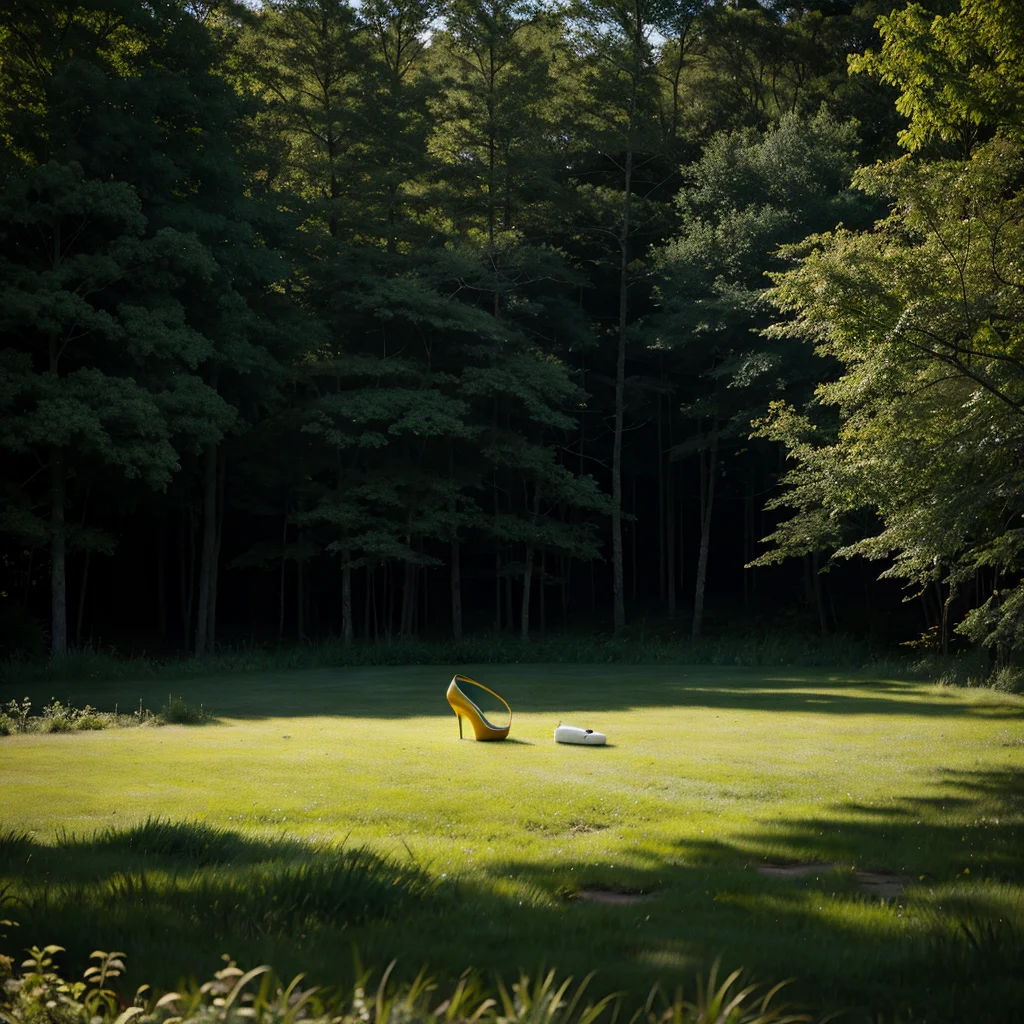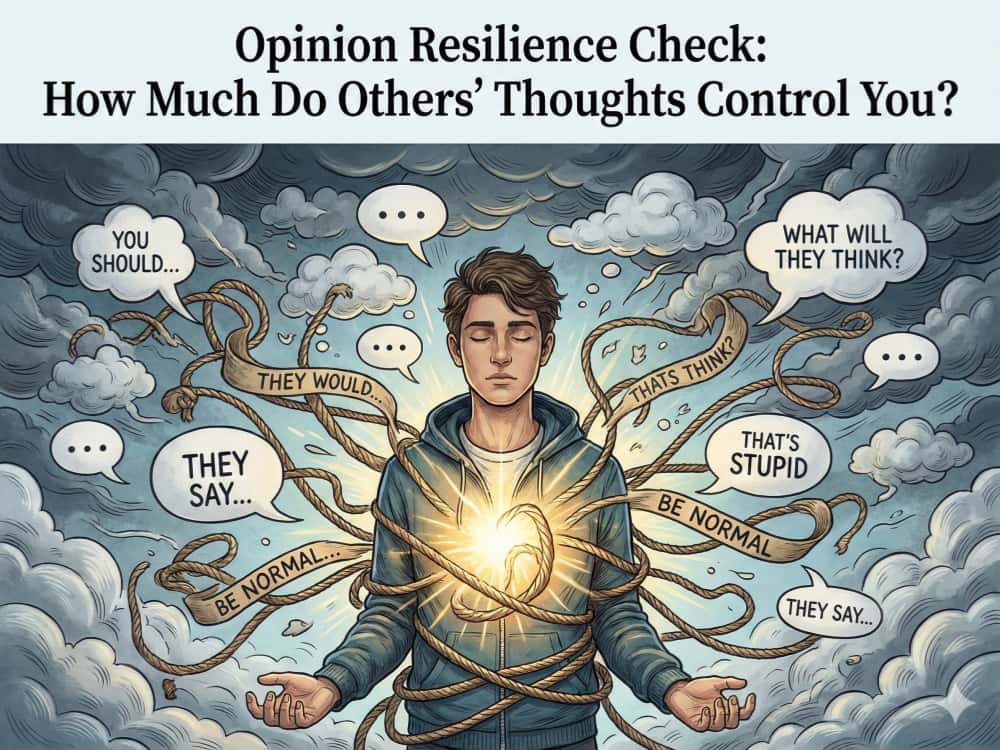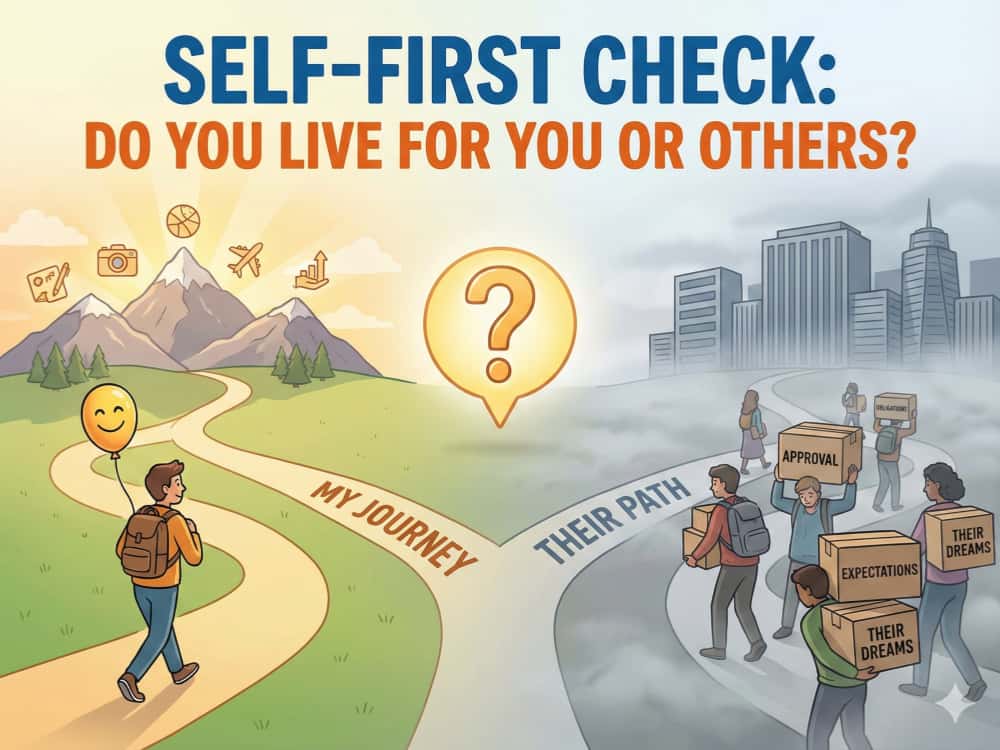
Ever feel like you're just going through the motions, a polite, polished version of yourself that feels more like a costume than your true skin? That quiet, persistent ache for something more raw, more real, more you? That's the call of feral girl energy—a cultural concept describing a powerful reconnection with one's instinctual, untamed, and authentic self. It's not about being rude or unkempt; it's about shedding the exhausting performance to rediscover the vibrant, intuitive core underneath.
The Polite Prison: When Your Authentic Self Goes Into Hiding
Let's paint the 'before' picture. You say "yes" when you mean "no." You spend hours curating a social media presence that feels miles away from your actual, messy life. Your free time is consumed by a vague anxiety to be productive, to optimize, to please. You feel a constant, low-grade friction, as if you're living a life written by someone else's rules. The world praises your adaptability, your agreeableness, your seamless fit into the mold. But inside, a wilder, quieter voice feels increasingly distant, like a radio station fading into static. This state isn't a personal failing; it's often the result of complex psychological conditioning. From a young age, many people, regardless of gender, are subtly (and not-so-subtly) rewarded for compliance, for minimizing "disruptive" emotions, and for prioritizing external validation over internal truth. Research suggests this chronic self-monitoring and people-pleasing can lead to increased stress, a phenomenon sometimes called "role strain," and a weakened sense of self-efficacy. You become an expert in what you should want, but lose touch with what you actually do.
The Psychology of the Tame: Why We Silence Our Inner Wilderness
So, how do we end up in this gilded cage? The mechanism is a survival strategy gone overboard. Our brains are wired for social belonging; for millennia, being ostracized from the tribe meant literal danger. This evolutionary backdrop fuels our deep-seated fear of rejection. To secure our place, we learn to perform. We absorb societal scripts—about success, attractiveness, and "appropriate" behavior—and contort ourselves to fit them. Many experts in social psychology believe this creates a split between the public self (the one that navigates work, family, and social circles) and the private self (the one with raw feelings, unconventional desires, and "unacceptable" thoughts). Over time, the private self gets buried under layers of shoulds and musts. The call of feral girl energy is essentially the rebellion of that private self. It's the psychological need for self-determination, a core component of mental well-being, fighting its way back to the surface. It's not about rejecting society wholesale, but about auditing which rules serve you and which ones silently drain your spirit.
The Feral Awakening: What It Feels Like to Reclaim Your Wild
Now, imagine the 'after.' This isn't about moving to a cabin in the woods (unless that's your genuine dream). It's an internal shift that radiates outward. It feels like a deep, steadying breath you didn't know you were holding. Your "no" becomes clear and unapologetic, not because you're angry, but because your boundaries are non-negotiable parts of you, not walls you build in crisis. Your "yes" is explosive with genuine enthusiasm. You pursue hobbies that feel like play, not performance. You wear the clothes that make your body feel powerful and free, not the ones that simply follow a trend. You speak your mind not to provoke, but because your perspective has value. This unapologetic authenticity is the heartbeat of the feral shift. Studies indicate that living in greater alignment with your core values is strongly linked to increased life satisfaction and resilience. The energy you once spent on performing is now fuel for your real passions. The world doesn't necessarily get easier, but your navigation of it becomes more intuitive, more rooted, and powerfully your own.
Step 1: The Instinct Inventory - Listening to Your Gut Again
The journey from tame to feral begins with relearning your body's language. Your instincts have been talking; you've just been taught to ignore them. Start small. For one week, practice pausing before any automatic "yes." In that pause, drop your attention into your body. Do you feel a sinking feeling? A tightening in your chest? Or a flutter of excitement? That's your somatic intelligence—your gut feeling—giving you data. Keep a simple journal: "Said yes to coffee with X. Felt tense after." or "Decided to walk instead of scrolling. Felt lighter." The goal isn't immediate action on every feeling, but to rebuild the connection. This practice of interoception, or sensing internal bodily states, is a cornerstone of many therapeutic modalities for a reason: it grounds your choices in self-awareness, not just external expectation.
Step 2: Permission to Be "Unproductive" - The Art of Re-Wilding Your Time
Feral energy cannot flourish in a schedule packed with optimized self-improvement. You must carve out spaces of pure, purposeless being. This is the antithesis of hustle culture. It could be 20 minutes lying in the grass watching clouds, doodling aimlessly, dancing in your kitchen to one song on repeat, or following a curiosity down an internet rabbit hole with no goal in mind. The rule: it must feel like play, not a task. Neuroscience suggests that these states of "unfocused" attention are crucial for creativity, problem-solving, and emotional processing. It's in these "wasted" moments that your mind makes unexpected connections and your self, free from evaluation, begins to remember what it truly enjoys. It's a radical act of self-trust to believe that time spent simply feeling alive is not time wasted.
Step 3: Boundary Botany - Growing Your Non-Negotiables
A feral creature knows the edges of its den. Your energy is precious, and protecting it is your primary responsibility. Boundaries aren't delivered as dramatic ultimatums; they are built like a garden, one fence post at a time. Start by identifying one or two key energy drains. Is it a friend who only calls to vent? Is it the expectation to answer work emails after 6 PM? Is it your own habit of overcommitting? Choose one, and craft a simple, clear statement for yourself. "I am not available for phone calls after 9 PM." "I need to check my calendar before I commit." Practice it. The first time you use it, it might feel jarring—even rude. That's the old programming firing off. Remember, a boundary stated calmly is an act of respect—for yourself and for the other person. It defines the space where your authentic self can safely exist.
Step 4: From People-Pleasing to Soul-Nourishing - Recalibrating Your Social Compass
This step is about auditing your influences. Feral energy is contagious, but so is the energy of conformity. Take a honest look at the media you consume, the accounts you follow, and even the conversations you habitually have. Do they make you feel expansive, curious, and empowered? Or do they leave you feeling anxious, inadequate, and small? Gently shift the balance. Follow voices that celebrate uniqueness. Suggest activities with friends that align with your newfound interests, not just the usual routine. This isn't about cutting people out, but about consciously feeding the parts of you that are waking up. As you change, some relationships will deepen, and others may naturally fade. Trust that process. Your circle should be a place where your instinctual confidence is reflected and celebrated, not questioned.
Your Feral Future: Living in Alignment, Not Apology
Embracing this kind of wild authenticity is a lifelong practice, not a one-time transformation. Some days you'll feel fiercely in tune with your instincts; other days, the old scripts will come rushing back. That's okay. The point isn't perfection, but presence. It's about knowing that beneath the layers of socialization, your essential self—creative, resilient, messy, and magnificent—is still there, waiting to be integrated. It asks not for a louder voice, but a truer one. So start today. Ask yourself this one, simple question: "If I were no longer afraid of being too much, or not enough, what tiny thing would I do differently?" Listen for the answer. That whisper is your feral heart, ready to run.