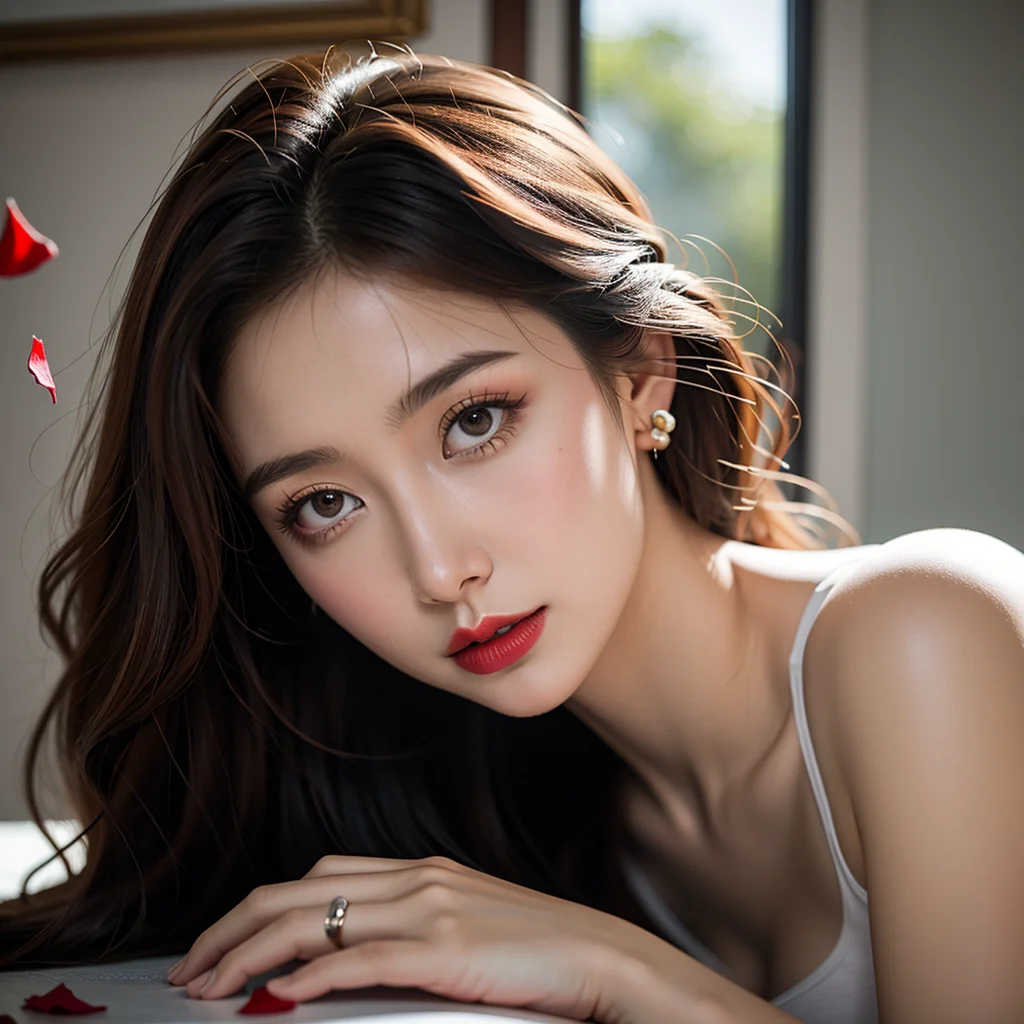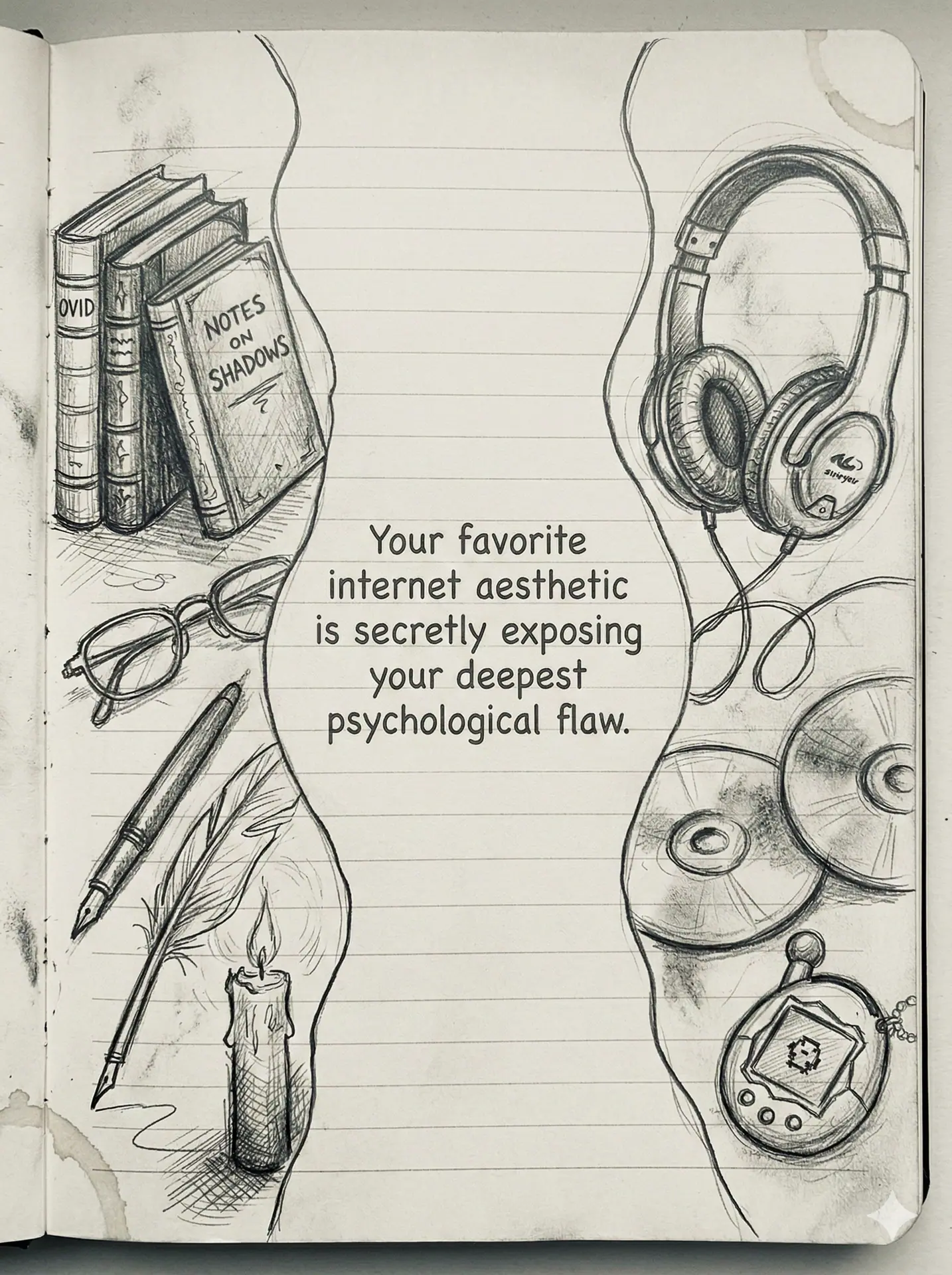

Beyond the bows and baby-doll dresses, the coquette aesthetic is sparking a major conversation about identity, self-expression, and the psychology of style. Is it a regressive fantasy or a radical act of self-definition? Let's separate the viral trends from the deeper truths.
Myth: The Coquette Aesthetic is Inherently Anti-Feminist
Reality: The idea that embracing traditionally "feminine" or "girly" signifiers is a step backward is a common critique. However, research into the psychology of clothing suggests that style is a complex language. What one person perceives as a symbol of submissiveness, another may wield as a tool of personal power and reclamation. Many experts believe that the modern coquette aesthetic, particularly as adopted by Gen Z, is less about performing for a male gaze and more about cultivating a specific internal feeling—one of softness, nostalgia, or romantic self-care. It can be a deliberate choice to engage with aesthetics that were once dismissed as frivolous, transforming them into a personal uniform of joy and autonomy. The reality is that feminism is about choice, and for many, this aesthetic represents a chosen exploration of femininity on their own terms.
Myth: It's Just a Superficial Fashion Trend
Reality: While it manifests in lace and ribbons, the appeal of the coquette style often taps into deeper psychological currents. Studies indicate that our clothing choices can significantly impact our mood and cognition, a phenomenon known as "enclothed cognition." Wearing clothes associated with specific traits can subtly influence how we think and feel. The deliberate softness, delicacy, and attention to detail in this aesthetic might be a way for individuals to cultivate a sense of gentleness, creativity, or whimsy in their daily lives. Furthermore, the strong nostalgic element—drawing from vintage dolls, classic literature, and bygone eras—can serve as a form of comfort and escapism. It's not just about looking a certain way; for its adherents, it can be a holistic practice of creating a sensory and emotional world that feels safe, beautiful, and personally meaningful.
Myth: It Promotes a Passive or Helpless Personality
Reality: This is perhaps the most persistent misconception. The visual language of ruffles and pastels is frequently mistaken for a lack of agency or strength. However, personality psychology teaches us that traits exist on spectrums and are expressed in myriad ways. Assertiveness, intelligence, and ambition are not mutually exclusive with an appreciation for beauty and romance. The coquette aesthetic, in practice, often requires considerable curation, DIY skill, and a defiant commitment to a look that stands out. It can be an active, creative project of self-authorship. Think of it less as a personality type and more as a stylistic "skin" or mode that someone can adopt—one that may emphasize certain facets of their identity while leaving others, like professional drive or intellectual curiosity, fully intact. The reality is that a style is a costume, not a character blueprint.
Myth: It's Exclusively About Romance and Dating
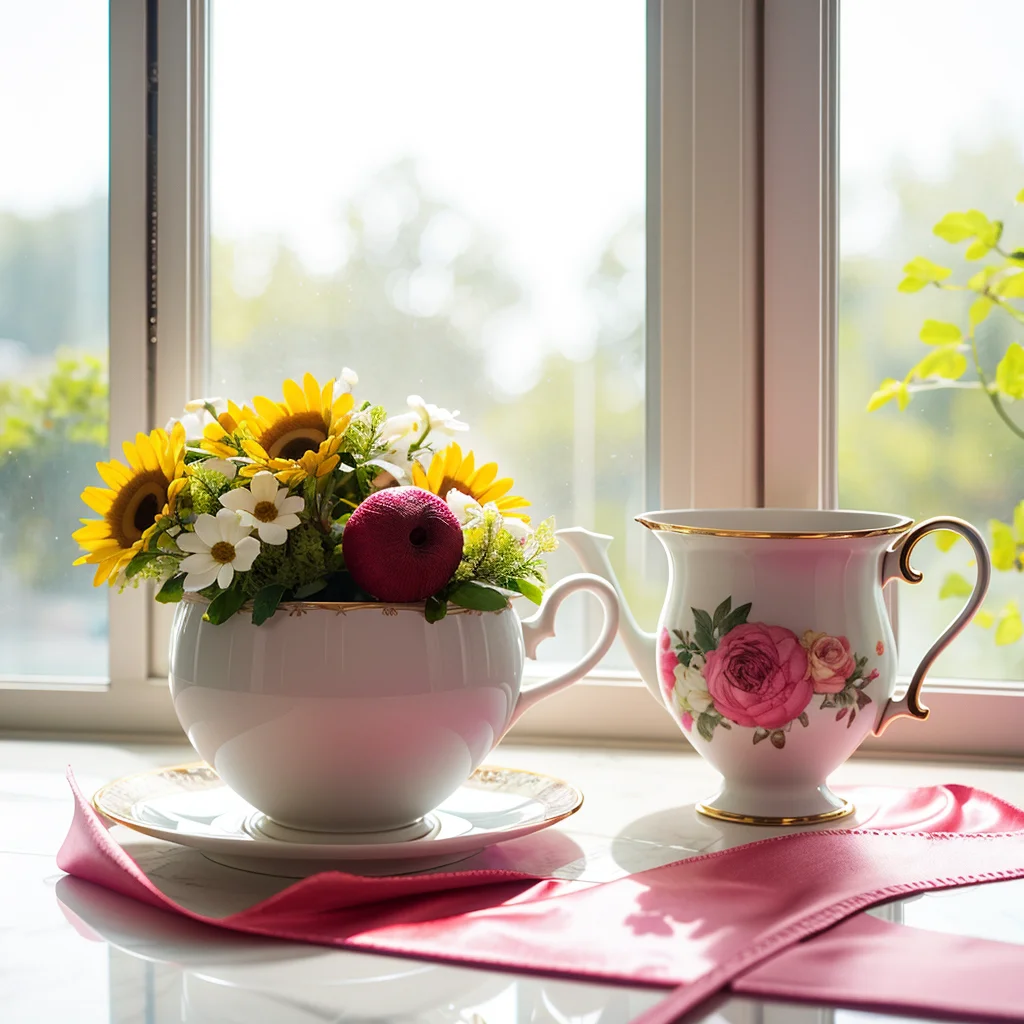
Reality: Although the term "coquette" historically implies flirtation, the modern interpretation is frequently decoupled from the pursuit of a partner. For many, it's an aesthetic of self-romance. The careful preparation of a tea set, the tying of a perfect bow, the selection of a pearl accessory—these are often rituals performed for one's own pleasure. This aligns with broader wellness concepts around mindfulness and savoring small moments of beauty. The aesthetic can frame everyday life as something worthy of adornment and celebration, independent of an audience. It shifts the focus from external validation to internal satisfaction, transforming the practice from a mating display into a form of artistic self-care and identity play. The primary relationship being nurtured, in this context, is the one with oneself.
Beyond the Bow: What Your Aesthetic Choices Might Reveal
So, what does gravitating toward this soft, detailed, and romantic style suggest on a personal level? While no aesthetic is a direct personality test, psychology offers some lenses. An attraction to the coquette look might indicate a high sensitivity to beauty and sensory detail, a strong nostalgic streak, or a desire to introduce more playfulness and creativity into one's self-presentation. It may reflect a value for tradition and craftsmanship, or a reaction against minimalist, utilitarian trends. Ultimately, the clothes we feel drawn to are pieces of a larger puzzle about who we are and how we wish to move through the world. The coquette aesthetic isn't an instruction manual for being; it's one of many palettes available for painting the ever-evolving portrait of the self.
Finding Your Authentic Expression
The key takeaway is that any aesthetic, from coquette to grunge to minimalist, is a tool for exploration, not a rigid box. If you find joy in elements of this style, the most empowering approach is to interrogate why. Does it evoke a cherished feeling or memory? Does it allow you to express a side of yourself that feels undernourished? The goal isn't to perfectly replicate a Pinterest board, but to curate a personal symbolism that feels true. Your style is your own story—write it with intention, wear it with confidence, and remember that the most compelling aesthetic of all is authenticity.