You've seen the aesthetic: the perfect morning routine, the color-coded planner, the side hustle that's about to "blow up." But what happens when the relentless drive to optimize every aspect of your life leads to a profound crash? This phenomenon, often called girlboss burnout, is more than just being tired; it's a specific form of exhaustion tied to modern performance pressures. It's the shadow side of the "you can have it all" narrative, where ambition meets its limits.
The Anatomy of a Modern Exhaustion
To understand girlboss burnout, we need to look at its ingredients. It's not simply working long hours. Research suggests it's a unique cocktail of internalized pressure, identity fusion, and a culture that glorifies busyness. The term "girlboss" itself, while evolving, often encapsulates a specific brand of feminized ambition—one that is expected to be cheerful, aesthetically pleasing, and endlessly productive. When your self-worth becomes entangled with your output, any dip in productivity can feel like a personal failure. This creates a cycle where rest feels like laziness, and slowing down sparks anxiety. Many experts believe this is distinct from general workplace stress because it's so deeply tied to personal identity and societal expectations of success.
Why "Leaning In" Can Lead to Falling Over
The messaging is everywhere: hustle harder, optimize your sleep, monetize your hobby. This constant pressure to perform and self-improve can erode the boundaries between work and life until there is no "off" switch. Studies indicate that the always-on mentality, fueled by digital connectivity, prevents the psychological detachment necessary for recovery. Your passion project becomes a source of stress; your personal brand requires constant maintenance. This isn't just about a job—it's about turning your entire life into a CV. The irony is that the very drive meant to create freedom can become the cage. Researchers have found that when hobbies become instrumentalized (done for external gain rather than intrinsic joy), they lose their restorative power, leaving fewer avenues for genuine respite.
What Research Says About Hustle Culture and Health
While "girlboss burnout" is a cultural term, the science behind chronic stress and identity-based pressure is robust. Studies on the effort-reward imbalance model suggest that high effort coupled with low perceived reward (whether financial, social, or emotional) is a significant predictor of burnout. In a hustle culture context, the "reward" is often deferred—the promised future success—making the effort feel endless. Furthermore, investigations into perfectionism, particularly socially prescribed perfectionism (feeling others demand perfection from you), show strong links to burnout, anxiety, and depression. Neuroscience research also indicates that chronic stress can affect prefrontal cortex function, ironically impairing the very executive functions—planning, decision-making, focus—that the "girlboss" archetype relies on. It's a physiological paradox: the mindset meant to drive success can undermine the brain's capacity to achieve it.
The Silence of the Side Hustle: Isolation and Comparison
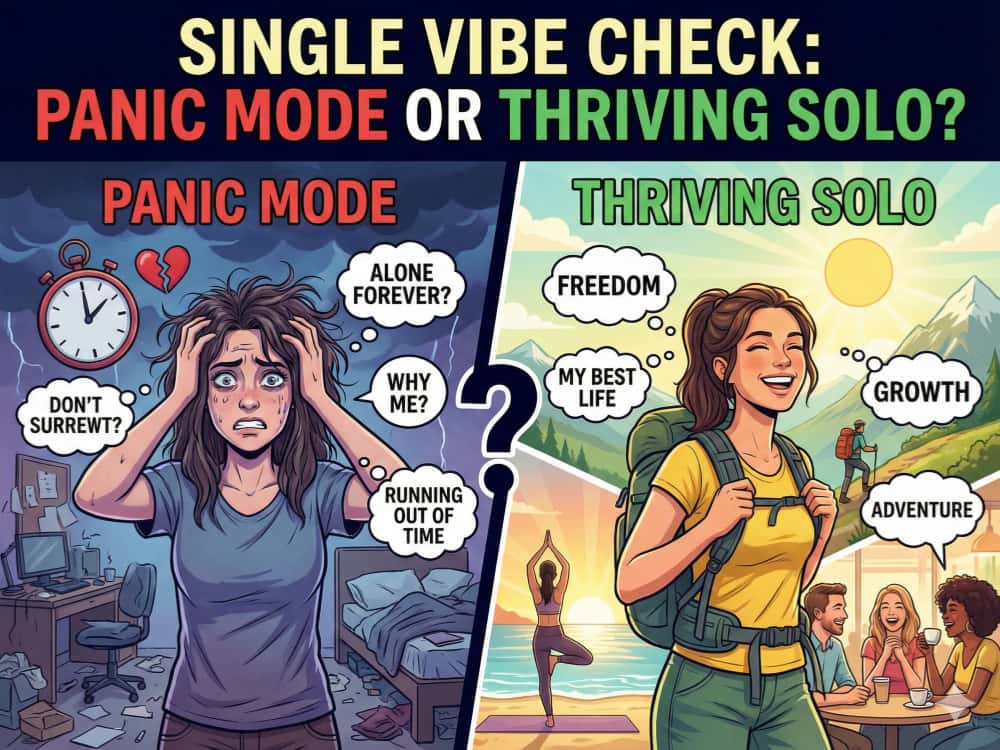
Burnout is often compounded by isolation. The solo entrepreneur, the content creator, the freelancer—these roles, while flexible, can lack the communal structure and support of traditional workplaces. There's no colleague to share the load, and downtime can be filled with the highlight reels of peers on social media, fueling comparison. This digital comparison, some studies propose, can trigger feelings of inadequacy and push individuals to unsustainable work patterns to "catch up." The pressure is internalized as a personal shortcoming ("I'm not disciplined enough") rather than seen as a systemic issue of unrealistic expectations. This silence makes it harder to recognize burnout, as it's framed as a personal failing rather than a logical response to an overloaded system.
From Grind to Grounded: A Practical Re-frame
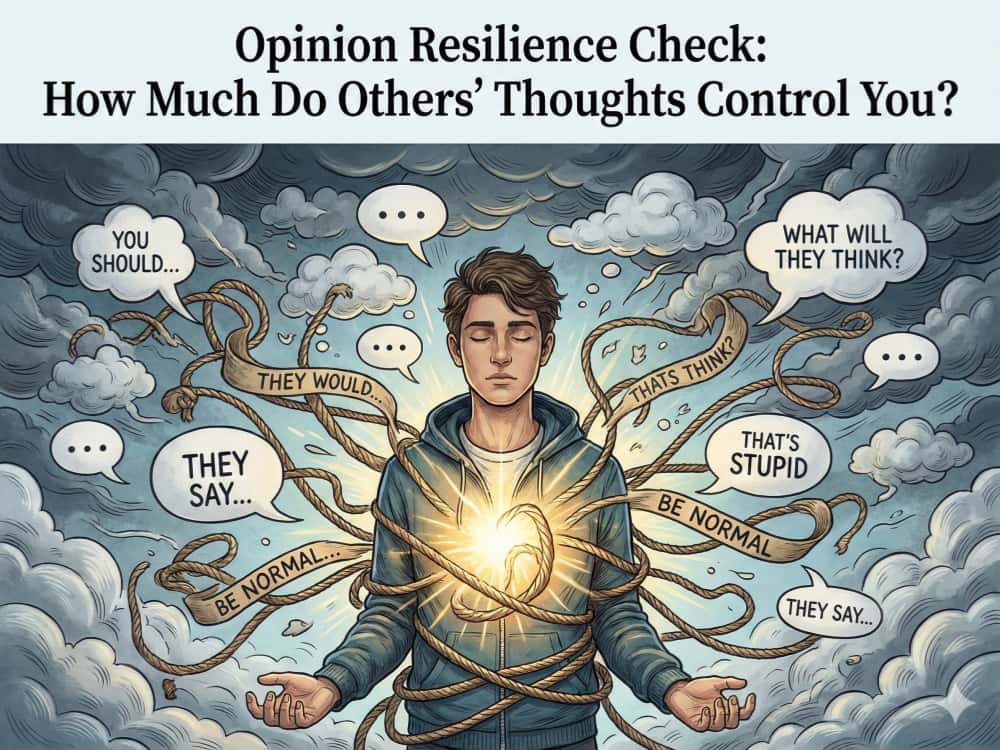
Moving out of this cycle requires a conscious dismantling of the beliefs that fuel it. This isn't about abandoning ambition, but about redefining it on sustainable terms. Start by conducting an audit of your "shoulds." Which pressures are truly yours, and which are absorbed from culture, social media, or perceived expectations? Practice boundary setting not as a luxury, but as a non-negotiable infrastructure for your well-being. This could mean designating strict work-free hours or days, or learning to sit with the discomfort of an unanswered email. Research on recovery experiences emphasizes the importance of psychological detachment—mentally switching off from work-related thoughts. This might look like immersive physical activity, engaging in a purely fun hobby with no monetization goal, or mindfulness practices. The goal is to create space where your value is not measured by productivity.
Redefining Success Beyond the Hustle
The ultimate antidote to this specific flavor of burnout may be a profound redefinition of success. What if success included emotional resilience, the capacity for joy outside of achievement, and sustainable energy levels? This involves challenging the core narrative that your output equals your worth. It means celebrating maintenance—staying afloat, feeling okay—as a victory, not just breakthrough moments. Consider integrating practices that reinforce intrinsic motivation: doing things simply because they feel good, not because they build your brand. This shift, while subtle, can change your relationship with work and self. It moves the focus from endless growth to sustainable flourishing.
The experience of girlboss burnout is a powerful signal, not a sign of weakness. It's the body and mind indicating that the current operating system is flawed. By listening to that exhaustion, questioning the invisible rules of hustle culture, and prioritizing recovery as fiercely as productivity, it's possible to build an ambition that energizes rather than depletes. The most radical act might not be working harder, but giving yourself permission to work differently.