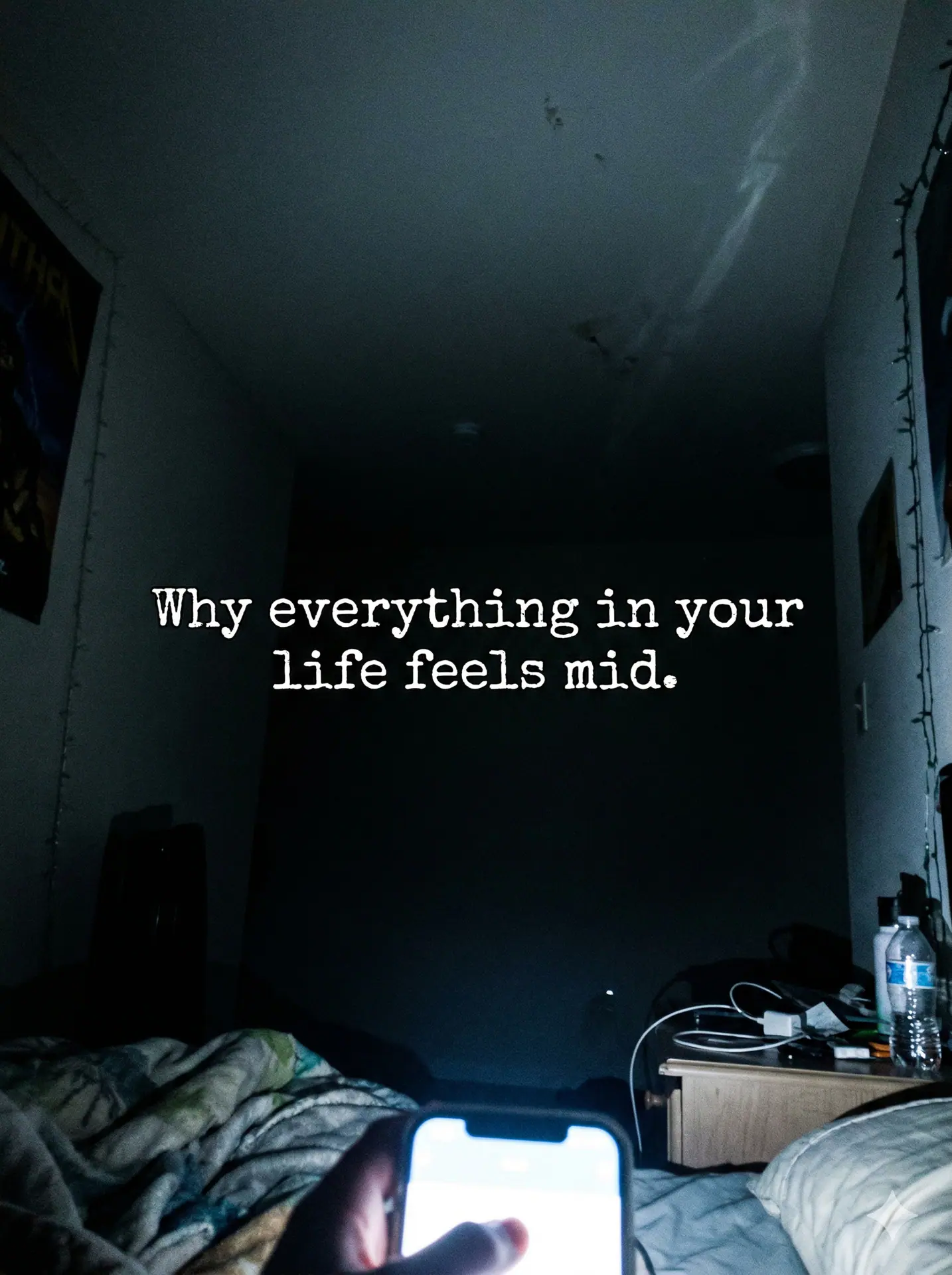
You've been there: it's 2 a.m., your thumb is numb, and you're 45 minutes deep into a vortex of bad news, social comparison, and existential dread. This is the reality of doom scrolling, a modern habit that can leave you feeling drained and disconnected. But what if you could transform that compulsive scroll into conscious choice and reclaim your mental space? The journey from passive consumption to empowered awareness starts with understanding the "why" behind the swipe.
The Doom Scroll Spiral: Your Brain on Infinite Feed
Let's paint the "before" picture. You pick up your phone for a "quick check." An hour later, you're filled with a low-grade anxiety you can't quite place, yet you can't seem to put the screen down. This isn't a lack of willpower; it's your brain's wiring meeting a perfectly designed system. Research suggests that the infinite scroll and variable rewards of social media platforms tap directly into our brain's dopamine pathways. We keep scrolling for that next piece of interesting, shocking, or engaging content—a neurological slot machine. When that content skews negative (global crises, polarizing debates, curated highlight reels of others' lives), it creates a perfect storm for compulsive negative consumption, or what many now call the doom scroll. The algorithm, designed to maximize engagement, learns that you pause on alarming headlines, and thus serves you more of them, pulling you deeper into a cycle that feels both addictive and awful.
Why We Can't Look Away: The Psychology of Morbid Curiosity
So why do we engage in digital habits that seem to harm our mood? Studies indicate it often stems from a combination of factors: a misplaced sense of "staying informed," fear of missing out (FOMO), and a psychological trait known as morbid curiosity. This isn't about enjoying negativity; it's a deep-seated, evolutionary impulse to pay attention to potential threats in our environment. In the digital age, our environment is a global news feed, and the "threats" are endless. Furthermore, during times of stress or uncertainty, this compulsive digital consumption can create an illusion of control—as if by knowing about every problem, we're somehow better prepared. In reality, it often leads to a state of cognitive overload and emotional fatigue, leaving us feeling more helpless, not less.
The Pivot Point: From Autopilot to Awareness
The transformation begins not with deleting all your apps, but with inserting a single moment of awareness between the impulse and the action. This is the crucial pivot from the "before" state to the journey toward an "after." The next time you feel the pull to mindlessly scroll through negative news, pause. Ask yourself one simple question: "What do I need right now?" Often, the answer isn't more information. It might be connection, distraction, relaxation, or a sense of purpose. The act of doom scrolling is frequently a misdirected attempt to meet one of these deeper needs. By identifying the true need, you can start to choose a more fulfilling response. This moment of mindful interruption is the first, and most powerful, step in breaking the autopilot cycle.
Building Your Digital Firewall: Actionable Strategies
With awareness as your foundation, you can build practical habits that protect your attention. Think of this as constructing a personal digital firewall. Start with your environment: use your phone's built-in tools to set app timers, schedule "Do Not Disturb" hours, and turn off non-essential notifications. Curate your feed actively—mute, unfollow, or use "not interested" features on accounts that consistently trigger comparison or anxiety. Designate specific times for checking news or social media, rather than allowing it to be a default activity. Another potent strategy is to create "friction": move social media apps off your home screen, or even log out after each use. This tiny extra step forces a conscious decision, making autopilot scrolling less likely. The goal isn't perfection, but creating an environment where conscious choice is easier than compulsive habit.
The "After" State: Reclaiming Time and Mental Energy
Imagine the "after." Your phone is a tool you use with intention, not a vortex you fall into. The time and mental energy once lost to the endless scroll of anxiety are now redirected. You might find yourself reading a few chapters of a book, going for an evening walk, learning a few chords on an instrument, or having a more present conversation. The background hum of low-grade anxiety has quieted, replaced by a greater capacity for focus on the things that truly matter to you. You stay informed, but on your terms—perhaps by reading a daily newsletter from a trusted source instead of grazing a chaotic feed. You engage with social media to connect with specific people or communities, not to passively absorb a firehose of content. This state isn't about being "offline" all the time; it's about being online with agency, purpose, and boundaries that serve your well-being.
Your Empowerment Starts Now
The path from doom scrolling to digital wellness is a practice, not a one-time fix. It requires gentle consistency over harsh restriction. Every time you notice the pull and choose a different response, you are rewiring a habit. You are teaching your brain that its need for stimulation, connection, or distraction can be met in more nourishing ways. Start small. Tonight, charge your phone outside your bedroom. Tomorrow, try a "scroll-free" first hour after you wake up. This journey is about reclaiming your most precious resources: your attention, your time, and your peace of mind. The power to transform your digital life doesn't lie in the algorithm; it lies in the space between the notification and your response. What will you build in that space?