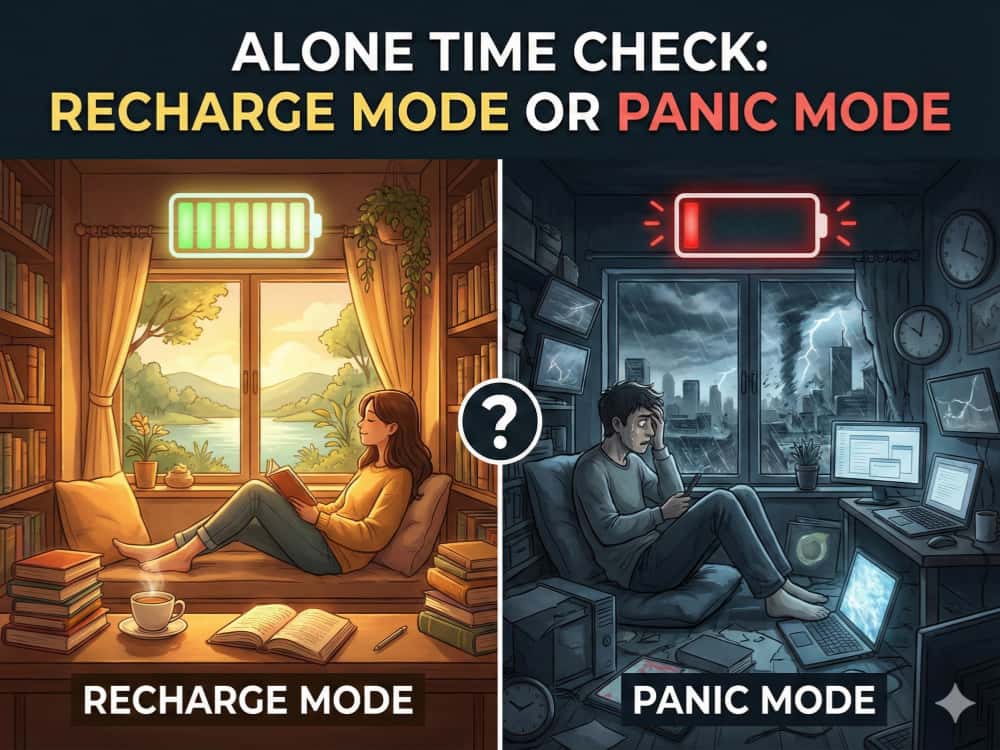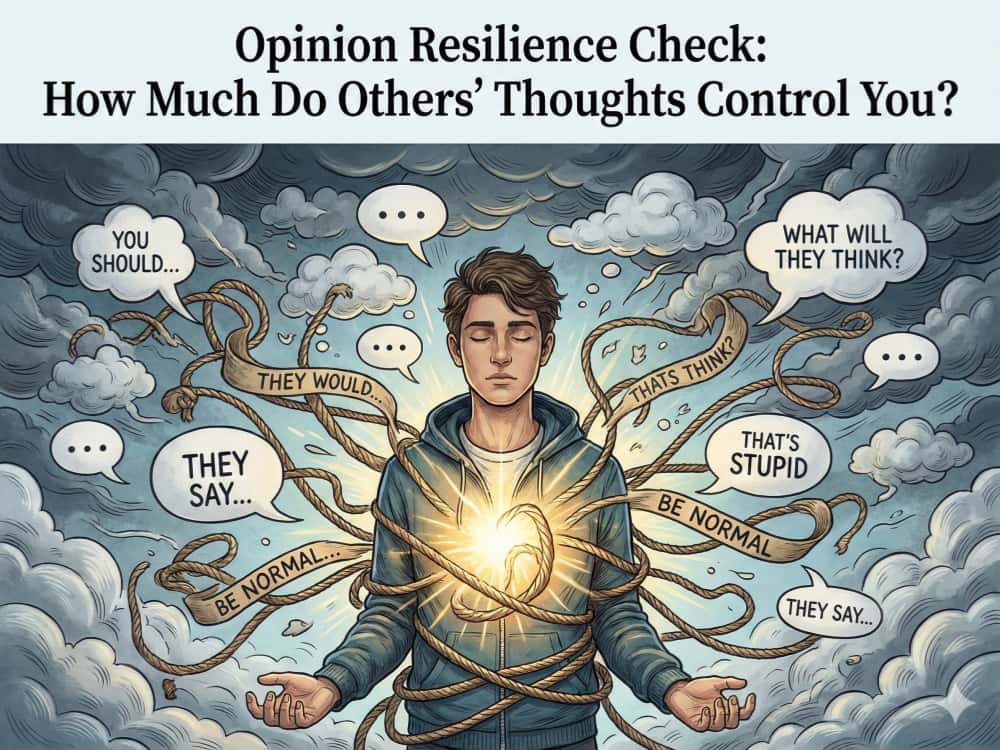
You know that feeling when a minor inconvenience—a spilled coffee, a snarky text, a slow internet connection—feels like the absolute end of the world? Your heart races, your thoughts spiral, and a wave of frustration or sadness crashes over you so intensely it's hard to breathe. In those moments, it's not just a bad mood; it feels like your emotional volume knob is stuck on maximum, and someone else is holding the remote. This intense, overwhelming experience is often described as emotional dysregulation, a term that simply means having a harder time managing and responding to emotional experiences in a way that feels proportionate and controlled. It's the gap between how you feel and how you wish you could feel. Understanding this concept isn't about labeling yourself as "broken," but about mapping the weather patterns of your own inner world.
The Brain's Emotional Thermostat: Why We Sometimes Overheat
Think of your brain as having an emotional thermostat. For most people, this system works pretty well—a stressful email might trigger a flicker of anxiety, which then cools down as they problem-solve. But for those who experience emotional dysregulation, that thermostat can be a bit glitchy. Research suggests this often involves the limbic system, the brain's emotional command center, and the prefrontal cortex, its logical, planning counterpart. When a strong emotion hits, the limbic system might sound a five-alarm fire, while the prefrontal cortex, which helps with impulse control and perspective, struggles to respond calmly. It's not a character flaw; it's a communication breakdown in your neural wiring. This can make emotional responses feel sudden, intense, and long-lasting, leaving you feeling drained and confused once the storm passes.
More Than Just "Being Sensitive": Recognizing the Patterns
Emotional dysregulation isn't just about crying at sad movies or getting excited about pizza (though both are perfectly valid). It shows up in recognizable patterns. There might be emotional reactivity, where your reactions feel bigger than the situation warrants. You might experience a slow return to baseline, where an upsetting comment lingers and ruins your entire afternoon, not just five minutes. There can also be a sense of being hijacked by your feelings, making it hard to think clearly or choose your response. You might swing from one intense emotion to another, or feel several contradictory emotions at once. Recognizing these patterns is the first step toward understanding your own unique emotional landscape, rather than just judging yourself for being "too much."
Common Triggers and the Spiral Effect
Often, these intense emotional waves are triggered by specific things. Interpersonal conflict is a big one—perceived rejection, criticism, or even just a misunderstood tone of voice can feel catastrophic. Feelings of shame, failure, or injustice can also flip the switch. Sometimes, it's not an external event but an internal one, like physical discomfort (being tired, hungry, or in pain) that lowers your tolerance for frustration. Once the spiral starts, it can create a feedback loop: the intensity of the emotion causes distress, which then fuels more intense emotion. Breaking this cycle often requires stepping out of the spiral, even for a moment, to hit the "pause" button your brain is struggling to find.
Navigating the Waves: Strategies That Aren't Just "Calm Down"
If someone telling you to "just relax" worked, you'd have done it by now. Managing moments of intense emotion is about practical, ground-level tactics. Name it to tame it is a concept backed by neuroscience; simply labeling the emotion ("This is frustration," "This is hurt") can slightly dampen the limbic system's fire. Grounding techniques can help—focusing on five things you can see, four you can touch, three you can hear, two you can smell, and one you can taste. It sounds silly, but it pulls your brain into the present and out of the emotional whirlwind. Physical movement, even shaking out your hands or stomping your feet, can help discharge some of the nervous energy. The goal isn't to never feel the emotion, but to create a tiny bit of space between feeling it and being swept away by it.
Building a More Resilient Emotional Ecosystem
Long-term, it's about building an internal environment where emotional storms are less frequent and less devastating. This looks like consistent self-care—not bubble baths, but the boring stuff: regular sleep, balanced nutrition, and movement you don't hate. It involves practicing mindfulness, not to empty your mind, but to become a more observant, less judgmentful witness to your own thoughts and feelings. Many find that identifying their core values helps; when you know what matters most, smaller irritations can be put into perspective more easily. It's also about compassionately auditing your inputs: what people, social media feeds, or news cycles consistently throw your thermostat out of whack? Building resilience is a slow, daily practice of tending to your own garden, not a one-time fix.
When to Seek a Different Kind of Map
While many people experience moments of emotional dysregulation, for some, it's a frequent and disruptive part of life that can be linked to various psychological frameworks. It's a common thread in discussions about ADHD, anxiety, past trauma, and other neurodivergent experiences. This article is for general self-reflection and education, not diagnosis. If your emotional experiences consistently feel unmanageable and are significantly impacting your relationships, work, or sense of well-being, connecting with a mental health professional can be incredibly valuable. They can help you explore the roots of these patterns and develop personalized tools. Think of it not as a failure, but as getting a skilled guide for a challenging hike through your own mind.
So the next time you feel that familiar surge, that sense of being emotionally flooded, try something different. Instead of fighting the wave or drowning in it, see if you can notice it. "Ah, here comes a big one." That simple act of noticing—without judgment—is where your power lies. It's the first step in learning to surf your emotions instead of being pulled under by them. Your feelings aren't the enemy; they're intense, sometimes chaotic, data about what you need and what you care about. The work isn't to feel less, but to build a sturdier boat.