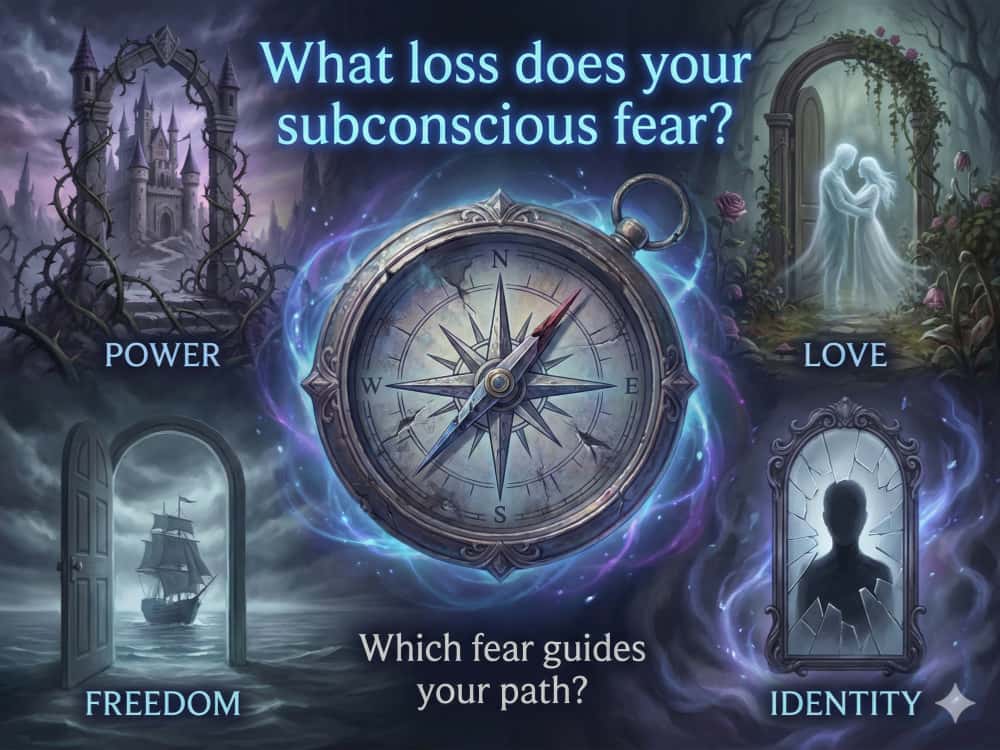


What if the key to better relationships isn't about finding the right person, but about becoming emotionally available yourself? This foundational concept in modern psychology is often misunderstood, leading to frustration in friendships, family dynamics, and romantic partnerships. Emotional availability isn't just about being "nice" or "open"; it's a dynamic skill set that influences how we connect. Let's dismantle some common myths to reveal a clearer path toward genuine relational health.
Myth: Emotional availability means you're always happy and positive.
Reality: This is one of the most pervasive and damaging misconceptions. True emotional capacity isn't about perpetual sunshine; it's about the ability to experience, acknowledge, and communicate the full spectrum of human emotions—including the difficult ones like sadness, anger, and fear. Research in affective science suggests that emotional health is characterized by emotional agility, not restriction. Someone who is genuinely available can sit with their own discomfort and a partner's distress without shutting down or rushing to "fix" it. Think of it like a container: a robust, emotionally available person provides a secure space where all feelings are allowed to exist, not just the pleasant ones. Suppressing so-called "negative" emotions often creates a facade of availability that crumbles under real pressure, whereas authentic presence includes the courage to be vulnerable.
Myth: It's a fixed personality trait—you either have it or you don't.
Reality: Many people believe they are simply "not an emotional person," framing their relational style as an unchangeable core identity. However, contemporary psychology views emotional accessibility more as a set of skills and states that can fluctuate. Your level of openness can change based on stress, context, history with a specific person, or even your physical well-being. More importantly, it can be developed. Studies on adult attachment and emotional intelligence indicate that with mindful practice—such as learning to identify bodily sensations linked to emotions, practicing non-defensive listening, or engaging in self-reflection—individuals can expand their capacity for connection. It's less like a light switch (on or off) and more like a muscle that strengthens with use and atrophies with neglect. Your past experiences, especially early attachment patterns, may have shaped your default settings, but they don't have to be your final blueprint.
Myth: Being emotionally available makes you weak or needy.
Reality: This myth is often rooted in cultural narratives that prize independence and stoicism over interdependence and vulnerability. The reality is quite the opposite. Demonstrating true emotional presence requires significant strength, self-awareness, and boundaries. It involves the courage to be seen authentically and the resilience to handle emotional complexity without becoming overwhelmed. It is not about needily dumping emotions onto others or losing yourself in a relationship; in fact, a key component is maintaining a stable sense of self while being open to another. Experts in relational psychology often frame it as a secure base from which to explore connection, not a state of enmeshment. It takes far more fortitude to say, "I'm hurt by what you said, and I'd like to talk about it," than to stonewall or retaliate. This skill is a cornerstone of secure attachment, which is linked to greater relationship satisfaction and personal well-being.
Myth: It's only important in romantic relationships.
Reality: While discussions often center on dating, the impact of your emotional openness ripples into every corner of your life. Your capacity for connection shapes friendships, family dynamics, professional collaborations, and even your relationship with yourself. A platonic friend who can truly listen without judgment provides a profound form of support. In the workplace, leaders and team members who can acknowledge stress and foster psychological safety often cultivate more innovative and cohesive environments. Furthermore, self-availability—the ability to acknowledge and attend to your own inner world with compassion—is the bedrock of all external connection. If you are cut off from your own feelings, you cannot authentically share them with others. Cultivating this skill set creates a richer, more resonant life across all domains, not just the romantic ones.
Understanding emotional availability is less about diagnosing others and more about empowering your own journey toward deeper connection. It invites a shift from asking, "Is this person open enough for me?" to reflecting, "How can I show up more fully in my relationships?" This week, you might simply notice one moment where you feel the urge to deflect an emotion—your own or someone else's—and instead, try to pause and let it be. The path to greater connection isn't found in perfection, but in the courageous, ongoing practice of showing up, one authentic moment at a time.