

Forget everything you've heard about being "too sensitive." The real problem isn't your HSP traits; it's a world that's emotionally illiterate. High sensitivity, often misunderstood as a weakness, might just be the most accurate social radar system you're not using correctly. This isn't about being fragile. It's about having a finer instrument. The noise isn't your fault, but learning to tune the dial is your responsibility.
Your Sensitivity Isn't a Bug, It's a Feature
Let's get this straight. Research into sensory processing sensitivity suggests this isn't a malfunction. It's a neurobiological trait present in about 20% of the population. Your nervous system literally processes information more deeply. Think of it like having a 4K television in a world of standard definition. You're picking up on subtleties in tone, body language, and environmental cues that others simply miss. The overwhelm? That's data overload. The challenge isn't to dull the signal, but to build a better firewall. Framing this as a disorder pathologizes a natural variation in human experience. It's not a diagnosis; it's a description of how you interface with the world.
The Myth of Emotional Overreaction
When someone tells you you're "overreacting," what they often mean is you're reacting to something they didn't perceive. Studies indicate that highly sensitive people show greater activation in brain areas linked to empathy, awareness, and deep cognitive processing. That knot in your stomach during a tense meeting? That's your brain reading the unspoken subtext in the room. That exhaustion after a crowded party? That's your cognitive engine working overtime to process a flood of social and sensory data. Calling it an overreaction is like calling a seismograph "overly dramatic" for detecting a tremor. It's just doing its job with high fidelity. The key is learning to interpret the readings without letting the alarm bells control you.
Why Boundaries Are Non-Negotiable, Not Selfish
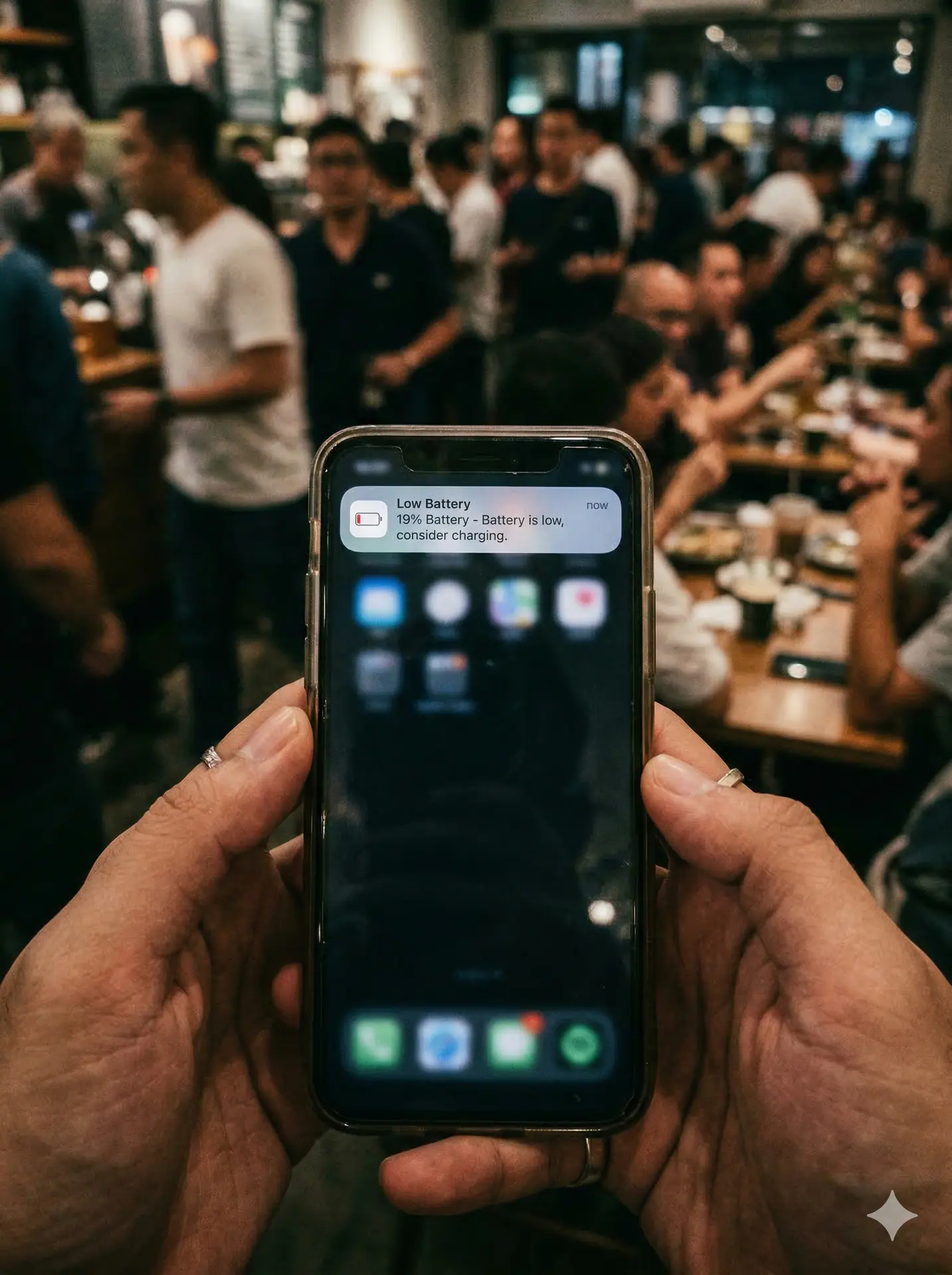
Here's the hard truth many sensitive people need to hear: Your depth of processing requires a different operating system. You cannot run on the same social battery as everyone else. Period. Many experts believe that the distress associated with high sensitivity often stems not from the trait itself, but from a chronic mismatch between one's needs and one's environment. Saying "no" to the third social event in a week isn't antisocial. It's preventive maintenance. Leaving a gathering when you're tapped out isn't rude. It's strategic energy management. Building a life that accommodates your need for downtime and lower stimulation isn't coddling yourself. It's building the infrastructure your neurology requires to function at its best. Without these boundaries, you're trying to drink from a firehose.
From Overwhelm to Strategic Insight
This is where the "superpower" part kicks in. That deep processing, when harnessed, translates into profound strengths. Your ability to detect nuance makes you a master of reading people and situations. Your empathy can foster deep, authentic connections. Your conscientiousness often leads to thorough, high-quality work. The goal isn't to stop being sensitive. The goal is to transition from a passive experiencer of overwhelm to an active curator of your input. This means getting ruthlessly intentional about what you let in. It means scheduling recovery time with the same importance as a work meeting. It means reframing your sensitivity not as a liability you apologize for, but as a specialized tool you are learning to master. Your depth of feeling is a source of information, not a sentence to chaos.
The Bottom Line: Own Your Operating Manual
Stop waiting for the world to get quieter. It won't. The work is internal. Understanding your highly sensitive nature is the first step toward writing your own operating manual. This isn't about fixing something that's broken. It's about optimizing a high-performance system that came with different specs. Pay attention to what drains you and what fuels you. Design your days around your rhythm, not against it. Use your perceptiveness to navigate, not just to suffer. Your sensitivity is a lens. You can either stare at the blinding light, or you can learn to focus it, adjust the aperture, and see a world of detail others walk right past. The choice, and the power, is in the reframe.