If you find yourself scrolling through grainy photos of frosted tips and velour tracksuits, you're not alone. The powerful pull of y2k nostalgia is a psychological phenomenon that has many of us longing for a time that was, objectively, a bit of a fashion and tech disaster. Let's unpack why your brain is suddenly so invested in butterfly clips and flip phones.
Why do I feel a deep, emotional connection to a time I barely remember?
This is the core paradox of y2k nostalgia for many Millennials and Gen Z. Research suggests nostalgia isn't about accurately remembering the past, but about curating a feeling. The early 2000s represent a cultural "liminal space"—a period of transition between analog and digital, marked by bright, uncomplicated aesthetics. For those who were kids or teens then, it was often a time of fewer responsibilities. Your brain isn't yearning for the dial-up internet tone; it's yearning for the perceived simplicity and optimism that era symbolizes. It's a safe emotional haven, a pre-social-media, pre-adulting sanctuary you can mentally revisit.
Why do I suddenly think low-rise jeans and chunky highlights are a good idea?
Fashion cycles are driven by a desire for novelty, but the revival of specific Y2K trends taps into something deeper: symbolic rebellion. After a decade dominated by high-waisted everything, minimalist palettes, and athleisure, the chaotic, "more is more" ethos of the early 2000s feels radically expressive. Psychologically, adopting these styles can be a way to play with identity and reject the current norms, even temporarily. It's less about the objective beauty of a bedazzled belt and more about the feeling of playful defiance it evokes. Just maybe try the jeans on first.
Why am I watching terrible early-2000s movies and listening to "complicated" pop music?
Your curated streaming playlists of "TRL Era Bangers" aren't just about the music. Studies indicate that the media we consume during formative years becomes neurologically linked to our sense of self. Re-consuming that media—whether it's "Mean Girls" or "Oops!...I Did It Again"—can trigger a powerful sense of self-continuity. It reminds you of who you were, anchoring your present identity. Furthermore, enjoying something "so bad it's good" is a shared social experience. It creates a sense of communal irony and bonding, a knowing wink with your peers about the glorious absurdity of it all.
Why does the thought of a flip phone or a disposable camera give me peace?
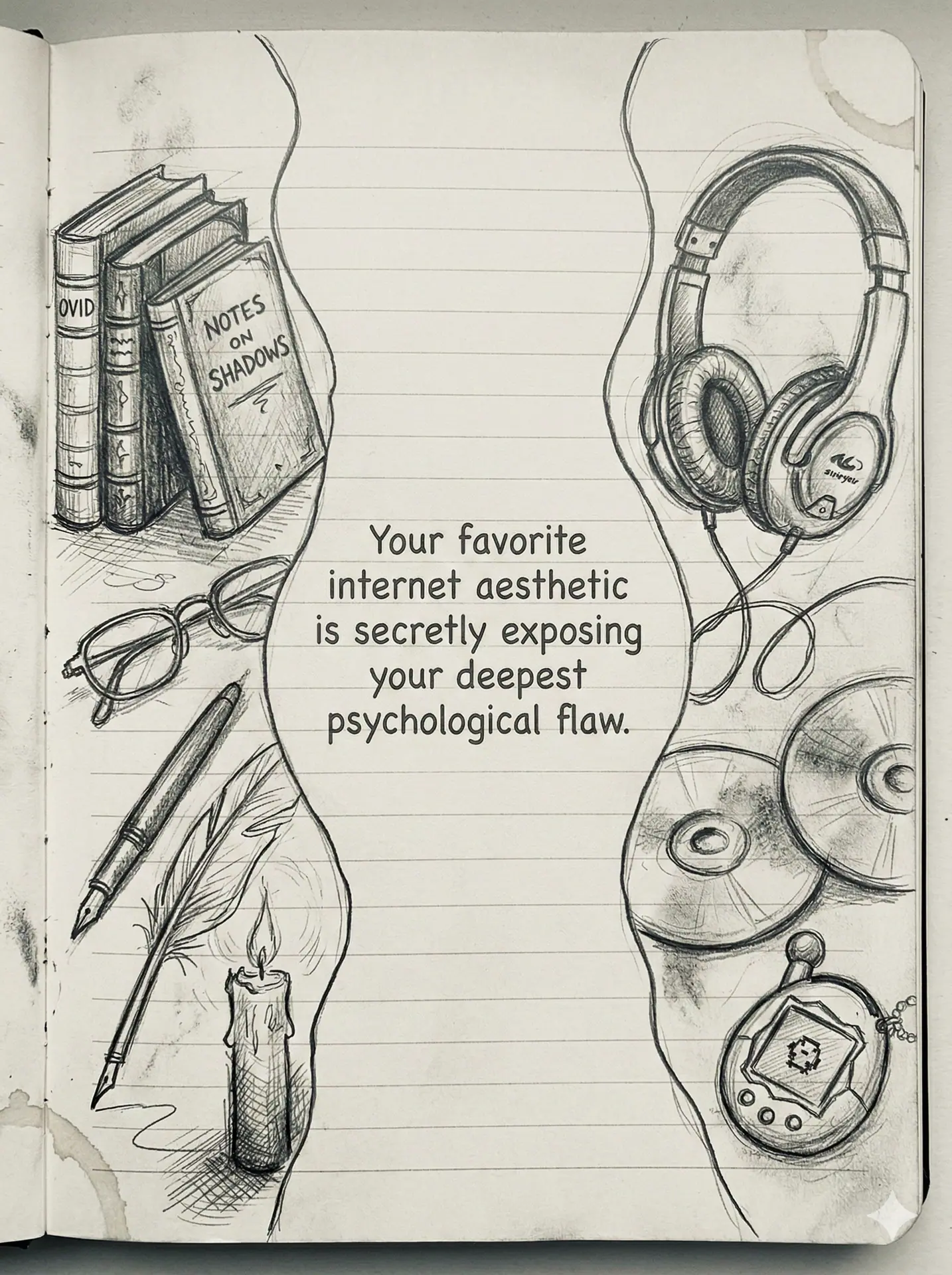
This is a direct response to digital fatigue. The tactile nature of a flip phone (the satisfying snap close!), the delayed gratification of developing film, the single-purpose functionality of a portable CD player—these represent a world with clearer boundaries. In an age of constant notifications, algorithmic feeds, and the pressure to be "always on," millennial and gen z nostalgia for these objects is really a longing for cognitive off-ramps. They symbolize a time when attention was less fragmented, even if the reality was that we were just distracted by different, clunkier things.
Is this nostalgia healthy or am I just avoiding my present?
Like most things, it depends on the dose. Psychological research consistently shows that moderate nostalgia is beneficial. It can boost mood, increase social connectedness, and provide a sense of meaning. It's a form of emotional resource gathering. However, if your longing for the past is accompanied by a persistent dissatisfaction with the present or a desire to escape current challenges, it might be a signal to reflect. The healthiest form of early 2000s nostalgia uses the past as a source of comfort and inspiration, not as a permanent residence. The key is to ask yourself: does this memory make me feel energized and connected, or drained and detached?
Ultimately, the Y2K revival is more than a trend; it's a collective mood. It's a way of grappling with rapid change by revisiting a recent, relatable past. So go ahead, dig out your old Hollister hoodie or make a playlist of Michelle Branch. Just remember you're not trying to live there again—you're just borrowing a bit of that old, sparkly confidence for your decidedly more high-definition present.