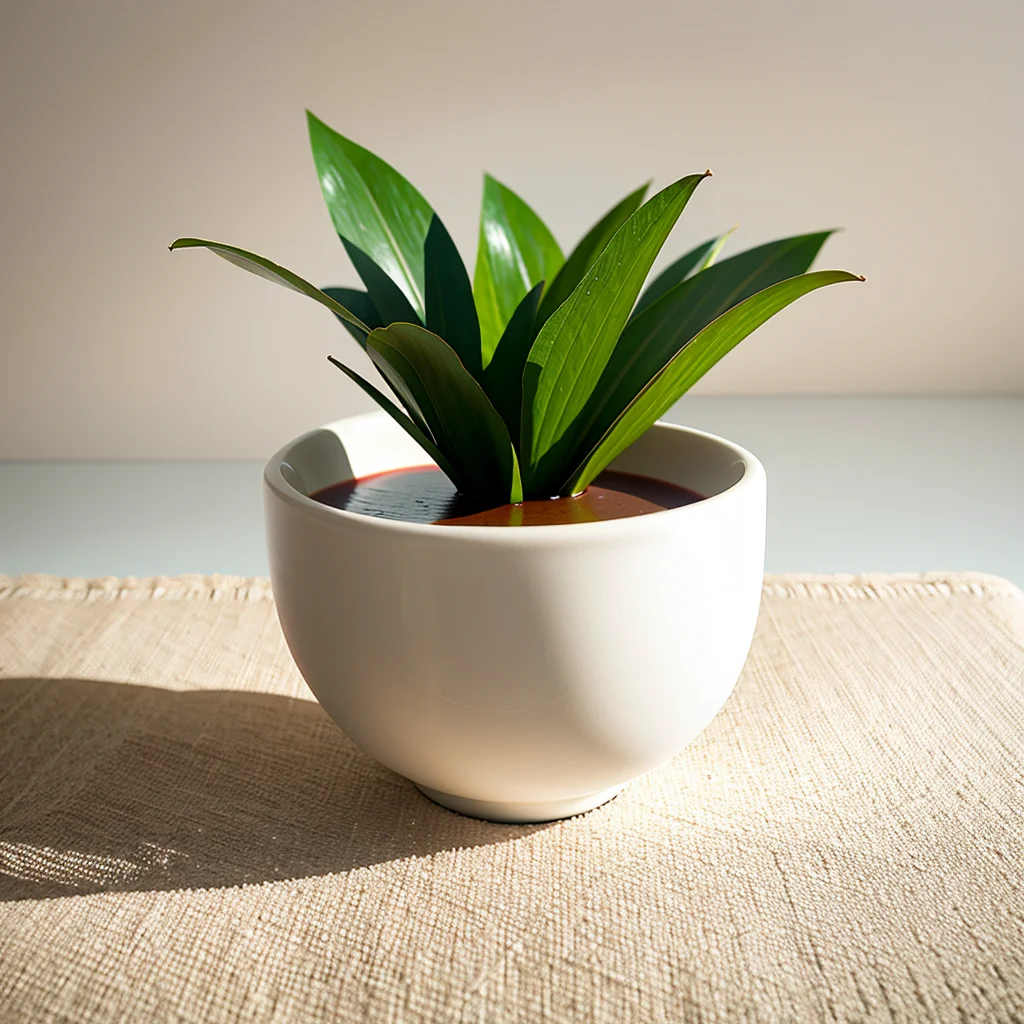
You know that feeling when the world's noise becomes a static hum, and the only thing that makes sense is the quiet ritual of arranging fresh flowers in a sunlit vase, the texture of a chunky knit sweater, or the deliberate softness of a pastel palette in your feed? It's more than a trend; it's a whispered rebellion. This collective lean into the soft girl era isn't just about aesthetics—it's a profound psychological signal, a soul-level craving for gentleness in a hard-edged world. If you've felt the pull toward softer lines, slower rhythms, and kinder self-talk, you're not just following a style. You might be initiating a vital internal reset.
The Psychology of the "Soft Life" as a Corrective Force
Let's rewind. For years, the dominant cultural script celebrated "hustle," "grind," and an almost aggressive optimization of every waking moment. Your worth felt tied to productivity, your calendar a battlefield, and self-care was often just another item on the to-do list. Then, a shift. The soft girl aesthetic emerged not as a sign of weakness, but as a corrective counter-narrative. Psychology suggests that when external environments become chronically overstimulating or demanding, individuals naturally seek compensatory states. The deliberate cultivation of a "soft" environment—through tactile comforts, visual calm, and a curated gentle persona—can be a form of self-regulation. It's a way to soothe an overwhelmed nervous system, to create a buffer against the abrasive parts of daily life. This isn't about escaping reality, but about building a sustainable one where you aren't constantly on the verge of burnout.
Beyond the Filter: Curating Your External World to Shape Your Internal One
Why does arranging a cozy corner or wearing fluffy socks feel so significant? It taps into a core principle in environmental psychology: our surroundings actively influence our mental state. The items we choose in our soft living era aren't just decor; they're tools. A plush blanket isn't merely fabric; it's a permission slip for rest. A curated playlist of gentle music isn't just background noise; it's an auditory boundary against chaos. By intentionally shaping your physical and digital spaces to be more soothing, you're sending a consistent, gentle message to your brain: "It is safe to relax here." This repeated signal can, over time, help lower baseline stress levels and cultivate a more patient, present mindset. The action is external, but the real work is the internal recalibration it encourages.
Softness as a Boundary, Not a Weakness
Here's where the narrative gets powerful. Adopting a soft girl persona is often misinterpreted as making oneself more vulnerable. In practice, many find it creates stronger, clearer boundaries. When you commit to a lifestyle that prioritizes peace, you inevitably start to identify what—and who—disrupts it. That toxic productivity chat? Muted. The friend who only engages in drama? Your interactions become gently guarded. The pressure to say "yes" to everything? It meets a soft, but firm, "no, thank you." This era teaches that softness isn't about being permeable to everything; it's about being selectively permeable. It's about cultivating a demeanor that is kind but not a pushover, open but not without limits. It's a reclaiming of energy, a conscious decision to direct your resources only toward what genuinely nurtures you.
The Shadow Side: When "Soft" Becomes a Performance
As with any identity-driven trend, there's a potential pitfall: the performance. It's crucial to check in and ask: Is my soft girl era a genuine reflection of an inner need for calm, or has it become another source of pressure? Am I buying the right items to feel the right way, or am I creating space to feel my actual feelings? Research on social media and self-presentation suggests that curating an idealized life online can sometimes create a disconnect from our authentic, messy selves. The goal of this psychological shift shouldn't be a perfectly pastel life free of conflict. It should be the development of a softer inner dialogue—the ability to meet your own anxieties, failures, and complex emotions with compassion, even when your environment isn't Instagram-ready. The true era of softness happens internally, even on the days you wear all black and feel decidedly un-soft.
Integrating the Soft Girl Ethos for the Long Haul
So, how do you move beyond the aesthetic and integrate the ethos? It starts with micro-actions that honor your need for gentleness. It's choosing the word "nurture" over "optimize." It's allowing a hobby to be just for joy, not for a side-hustle. It's speaking to yourself after a mistake with the same tone you'd use with a best friend. Many wellness experts believe sustainable change comes from these small, consistent practices, not grand overhauls. Your soft girl era doesn't have an end date because, at its core, it's about learning a new way to be in relationship with yourself. It's the understanding that in a world that often rewards hardness, the radical, resilient act is to choose softness—not as a default, but as a deliberate, powerful strategy for well-being.
The invitation of your soft girl era is this: to build an inner sanctuary so steady that the external world's turbulence can't shake your foundation. It's recognizing that the gentlest person in the room is often the strongest, because they've chosen to conserve and protect their energy for what truly matters. This isn't a phase to outgrow; it's a perspective to deepen. What if this pull toward pastels, peace, and patience is your psyche's wisest guidance yet? Listen to it. The world will always have edges. Your power lies in deciding how softly you choose to meet them.