

Ever feel like you're speaking a different emotional language than your partner or friends? You're not alone. The concept of love languages offers a popular framework for understanding how we give and receive affection, and why mismatches can leave us feeling disconnected. Think of it less as a rigid rulebook and more as a user manual for your heart's operating system.
Why do I always feel like I'm giving more than I get?
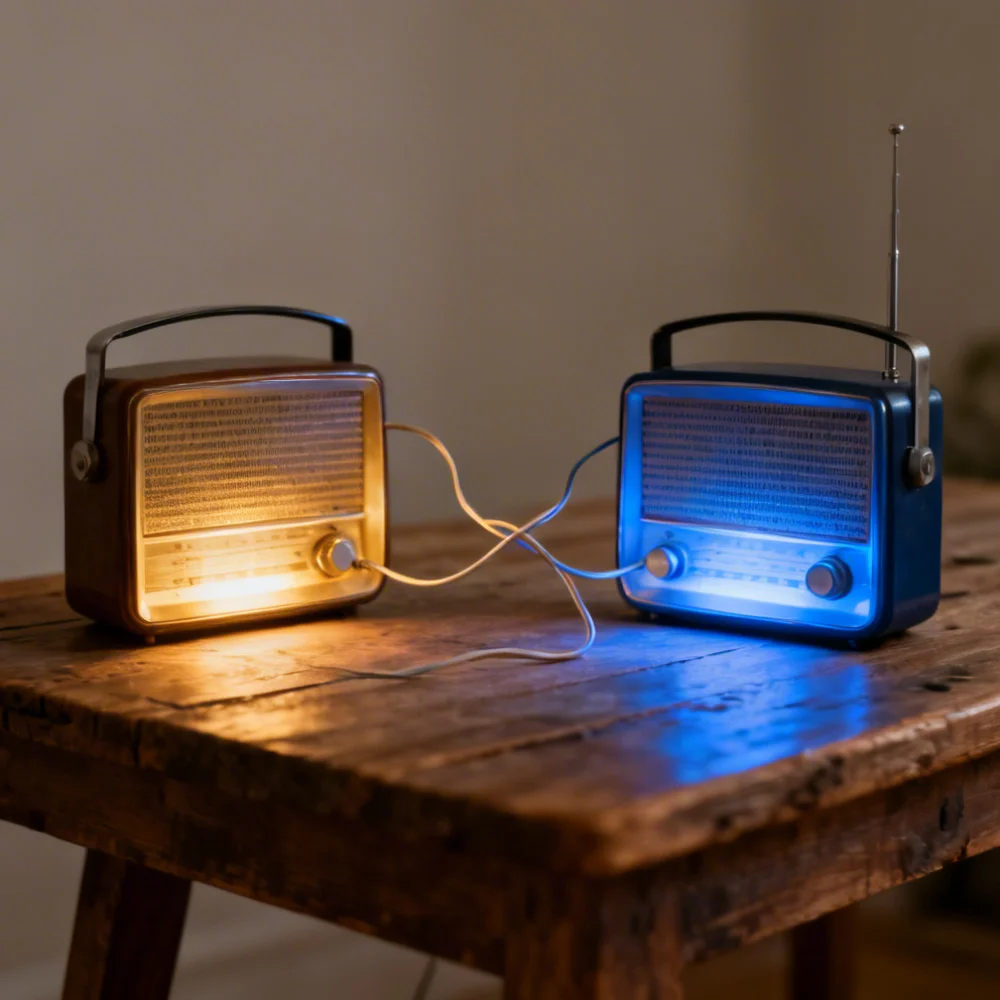
This is the classic love languages pitfall. You might be pouring your heart out with thoughtful acts of service (hello, making their favorite complicated coffee every morning), while your partner is waiting for a deep, affirming conversation to feel connected. Research into relational dynamics suggests we often express love in the way we wish to receive it, not necessarily in the way the other person decodes it. It's like constantly giving someone a beautifully wrapped book when they're desperate for a hug. The intent is pure, but the translation gets lost. The feeling of imbalance often stems from this mismatch in emotional expression, not necessarily a lack of care. Start by asking: "When have I felt most loved recently?" Your answer might point directly to your primary love language, and highlight where the disconnect lies.
Why do small gestures sometimes mean more than grand ones?
A surprise weekend getaway is fantastic, but why does your partner remembering to pick up your favorite snack from the grocery store hit differently? This gets to the core of personalized affection. For someone whose primary language is receiving gifts, it's not about the monetary value; it's the tangible thoughtfulness, the proof that "I was thinking of you." That snack is a physical symbol of attention. Similarly, for someone who values quality time, an uninterrupted 20-minute walk together can feel more significant than a fancy dinner where you're both on your phones. These micro-moments of connection often feel more authentic and integrated into daily life, making the love feel consistent and sustainable, not just a periodic performance.
Why do arguments happen even when we're both trying?
You're trying to connect by helping with chores (acts of service), but your partner interprets your silence during the task as coldness, craving verbal affirmation instead. Conflict can erupt at the intersection of good intentions and poor translation. When our primary emotional needs aren't met, we can become irritable, insecure, or withdrawn—even if the other person is demonstrating love in their own way. An argument about not helping with the dishes might really be about not feeling supported (an act of service). Understanding these underlying dialects of care can help reframe conflicts. It shifts the question from "Why don't you love me?" to "How are you trying to show love, and how can I better recognize it?"
Why does my love language seem to change?
Great observation! Your dominant mode of receiving affection isn't always static. While many experts believe we have a primary preference, life stages, stress levels, and specific relationships can influence what we crave most. In a new relationship, physical touch or words of affirmation might be paramount. During a period of intense work stress, acts of service (like handling a household task) might become the ultimate relief and expression of love. Furthermore, we can become "bilingual" or even "multilingual." As we learn about our own needs and our partner's, we can learn to appreciate and speak forms of affection that weren't our native tongue. This flexibility is a sign of emotional growth, not inconsistency.
How do I actually use this without it feeling like a chore?
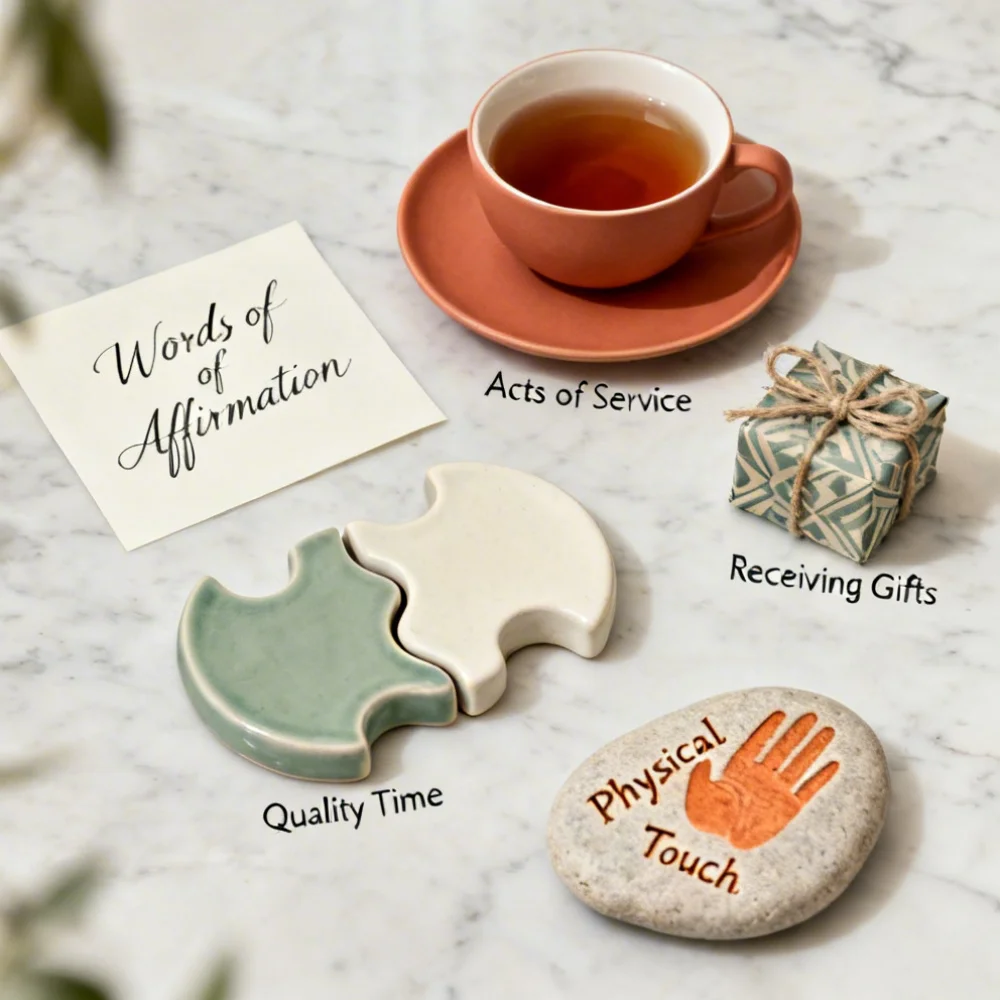
The goal isn't to create a transactional scorecard ("I said three nice things, now you owe me a back rub"). That defeats the purpose. Think of it as expanding your emotional vocabulary. Start with curiosity, not critique. Have a lighthearted conversation about which of the five expressions of care—words of affirmation, quality time, receiving gifts, acts of service, or physical touch—made you feel cherished in past relationships or friendships. Then, try a small, low-pressure experiment. If your partner values quality time, commit to putting phones away during dinner twice this week. Notice the shift. The magic happens in the awareness itself. When you recognize your partner loading the dishwasher as their way of saying "I love you," a mundane chore transforms into a quiet love note. That reframing is where connection deepens, effortlessly.
Ultimately, exploring love languages is less about labeling yourself and more about fostering a deeper empathy. It's a tool for translating the heart's quiet whispers into a language your relationships can understand. The most powerful step isn't figuring out your own type—it's becoming a student of how the people you care about feel seen and valued.