

You know that feeling when you've just spent an hour scrolling through climate change documentaries, then immediately click 'order now' on a fast-fashion haul with next-day shipping? Your brain does a little sputter, a hiccup of unease. That's not just guilt—it's a classic case of cognitive dissonance, the mental friction that happens when your actions clash with your beliefs. It's the psychological equivalent of wearing mismatched socks; everything still works, but something just feels... off. And understanding this internal tug-of-war might just be the key to figuring out why you do the things that make you quietly cringe.
The Day Your Brain Threw a Silent Tantrum
Let's rewind to a Tuesday. You, a person who values honesty, told a "little white lie" to get out of after-work drinks. "So sorry, I have a thing!" you texted. The moment you hit send, a subtle but unmistakable discomfort settled in your chest. You believe you're honest, but you just lied. This clash—between your self-concept and your behavior—creates a state of psychological tension. Your mind, much like a computer trying to run incompatible software, desperately seeks to resolve the error. You might immediately start justifying ("I'm so drained, I need the night to myself, it's for my mental health"), or you might minimize the action ("It's not a real lie; everyone does this"). This isn't you being irrational; it's your psyche's ancient defense mechanism kicking in to protect your sense of self-consistency. The theory, pioneered by psychologist Leon Festinger, suggests we are driven to reduce this mental discomfort, often in ways that seem illogical from the outside.
Why We Double Down on Doubtful Decisions
Here's where it gets really interesting, and where that feeling of internal conflict often leads us astray. To soothe the ache of dissonance, we don't usually change our behavior. It's often easier to change our mind. Imagine you finally splurge on an expensive, trendy kitchen gadget after weeks of deliberation. Once it's on your counter, you might notice it's clunkier than expected. Instead of admitting a costly mistake, you start fervently praising its features to friends, seeking out positive reviews, and using it relentlessly—even for tasks a simple spoon could handle. You're not just convincing them; you're convincing yourself. This process, sometimes called post-decision rationalization, is your brain's way of aligning your reality with your choice, effectively closing the gap between "I spent too much" and "I am a smart consumer." Research suggests this is why we so fiercely defend our choices, from political votes to questionable haircuts, long after the evidence suggests we might have been wrong.
The Sneaky Ways Dissonance Shapes Your Daily Life
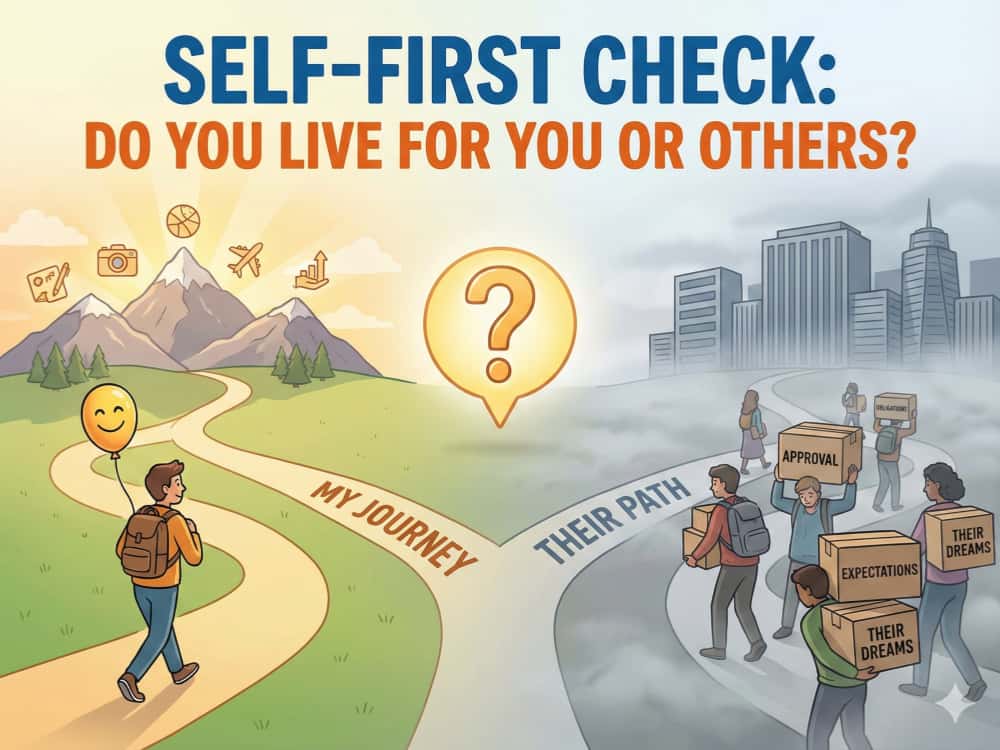
This psychological tension isn't just about big purchases or lies. It's in the micro-moments. You believe in healthy living, but skip the gym for the third day in a row. Dissonance whispers: "Rest is important for muscle recovery anyway." You value environmentalism but use a disposable coffee cup. Dissonance rationalizes: "It's just one cup, and I recycle it." This internal justification system acts like a mental peacekeeper, but one that can sometimes broker a shady deal with your long-term goals. It allows conflicting beliefs to coexist by tweaking the narrative. You might downplay the importance of the belief ("Being perfectly green is impossible"), add new, comforting thoughts ("I offset it by using a bamboo toothbrush"), or simply avoid the topic altogether. Recognizing these subtle mental maneuvers is the first step in spotting the gap between your values and your actions.
When Your Beliefs and Actions Are at Odds
The most profound experience of this mental clash often happens in our relationships and core identities. Consider someone who believes "I am a kind person" but snaps at a customer service representative after a frustrating day. The dissonance is acute. To reduce it, they might blame the external circumstance ("That company's policy is infuriating!") or dehumanize the target ("They're probably just reading a script anyway"). This protects the core belief of being kind. On a societal level, studies indicate this mechanism can explain why people sometimes hold onto prejudiced attitudes or harmful habits; changing a deep-seated belief is far more psychologically costly than finding reasons to justify it. The discomfort of acknowledging that misalignment can feel threatening, so our minds build elegant, often unconscious, defenses.
Bridging the Gap: From Mental Static to Clarity
So, if our brains are so wired to avoid this discomfort, are we doomed to a life of quiet justification? Not at all. Becoming aware of this internal friction is like gaining a superpower of self-awareness. The goal isn't to eliminate dissonance—it's a natural part of being a complex human with competing desires—but to listen to it as a signal, not a command. The next time you feel that familiar cringe, that hiccup of unease, pause. Ask yourself gently: "What two things are not lining up here?" Is it my action and my value? My new information and my old opinion? Simply naming the cognitive dissonance robs it of its unconscious power. From that place of awareness, you have a choice. You can consciously decide to change a behavior to match your values (I will apologize for snapping), or you can thoughtfully adjust a belief with compassion (I can be a kind person who sometimes makes mistakes, and that's okay).
Your Brain's Quest for Harmony
That awkward feeling, the mental sputter, is ultimately evidence of a mind that cares about coherence. It's a sign that you have values, beliefs, and a sense of self you're trying to uphold. While the shortcuts it takes to find harmony can lead us into rationalization, the underlying drive is for integrity. Instead of judging yourself for the mismatch, get curious about it. That tension is a conversation starter between the "you" you believe you are and the "you" that shows up in the messy reality of daily life. And in that conversation, with empathy and a little gentle humor, you might just find a more authentic, self-aware way forward. After all, growth often starts in the uncomfortable, fertile space between what we think and what we do.