

Ever felt like a relationship was a rollercoaster designed specifically to teach you the toughest lessons? You might be navigating the complex world of karmic relationships. These intense connections aren't just about drama; many spiritual and psychological frameworks suggest they're profound catalysts for personal growth. Let's explore what these bonds really mean and how to recognize their unique signature in your life.
1. The Instant, Magnetic Pull
You meet someone and it feels like the universe just clicked into place. This isn't your average "they're cute" feeling; it's a deep, soul-level recognition that can feel both exhilarating and unsettling. Research into interpersonal attraction suggests that this immediate intensity often bypasses our logical filters, drawing us toward people who mirror our unresolved patterns. In the context of karmic relationships, this magnetic pull is less about fate bringing you your "one true love" and more about an energetic match to a lesson your subconscious is ready to learn. It's the feeling of coming home to a place you've never actually been.
2. A Rollercoaster of Extreme Highs and Lows
If your relationship feels like it was written by a poet with a flair for drama, you might be on a karmic ride. One week it's transcendent connection and profound understanding; the next, it's confusing conflict that leaves you questioning reality. This volatility isn't random. Many experts in relational psychology believe these extreme swings serve a purpose: to shake you out of old, comfortable patterns. The highs show you a potential for connection, while the lows highlight the internal work you still need to do. It's less about the other person being "toxic" and more about the dynamic activating your core wounds.
3. You See Your Flaws Mirrored Back at You
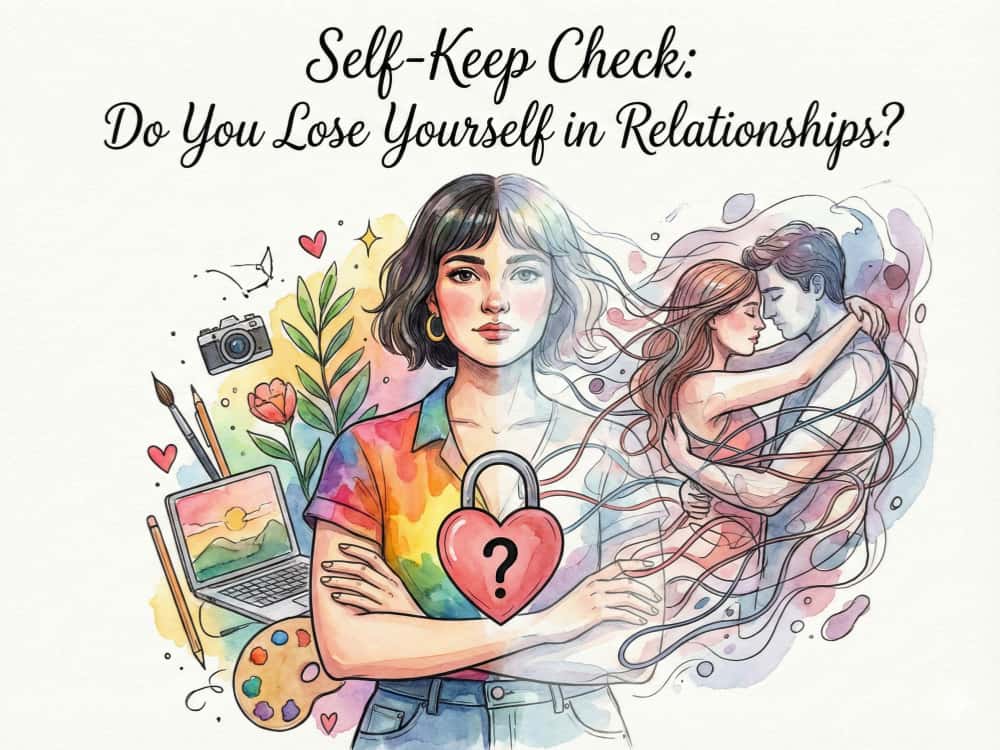
This person has a mysterious talent for pushing your buttons, often highlighting insecurities or behaviors you'd rather ignore. They might reflect a lack of boundaries, a tendency toward people-pleasing, or unhealed trust issues. In psychological terms, this is often a form of projection. What we react to most strongly in others is frequently a disowned part of ourselves. A karmic partnership acts like a relentless mirror, forcing you to confront aspects of your personality you've avoided. It's uncomfortable, but this mirrored reflection is the heart of the growth opportunity.
4. There's a Strong Sense of Déjà Vu or "Unfinished Business"
You might feel an inexplicable familiarity, as if you've known this person forever, even if you just met. Conversations pick up mid-thought, patterns feel eerily repetitive, and you might have a nagging sense that you're here to resolve something. While not scientifically verifiable, the concept of "soul contracts" or past-life connections is a common thread in discussions of karmic ties. A more grounded interpretation is that they represent an archetypal dynamic you're prone to replaying—like the caregiver, the rebel, or the critic—until you consciously break the cycle.
5. The Relationship Has an Expiration Date
This is a tough one to sit with. Unlike lifelong soulmate theories, many frameworks suggest karmic relationships have a specific purpose and a natural end point. Their goal is evolution, not permanence. You might come together, catalyze immense change in each other, and then find the connection naturally dissolves once the lesson is integrated. The ending often feels destined, even if it's painful. Letting go can be the final, most important lesson in setting boundaries, honoring your needs, and applying the wisdom you've gained.
6. It Propels You Toward Major Life Changes
Beyond the relationship itself, this connection often acts as a wrecking ball for your entire life structure. You might change careers, move cities, reconnect with family, or finally start that therapy journey. The relationship is so destabilizing that it forces you to rebuild from the ground up, ideally with more awareness and authenticity. Studies on post-traumatic growth indicate that periods of intense relational stress can, for some, lead to significant positive personal development, reshaping priorities and self-concept.
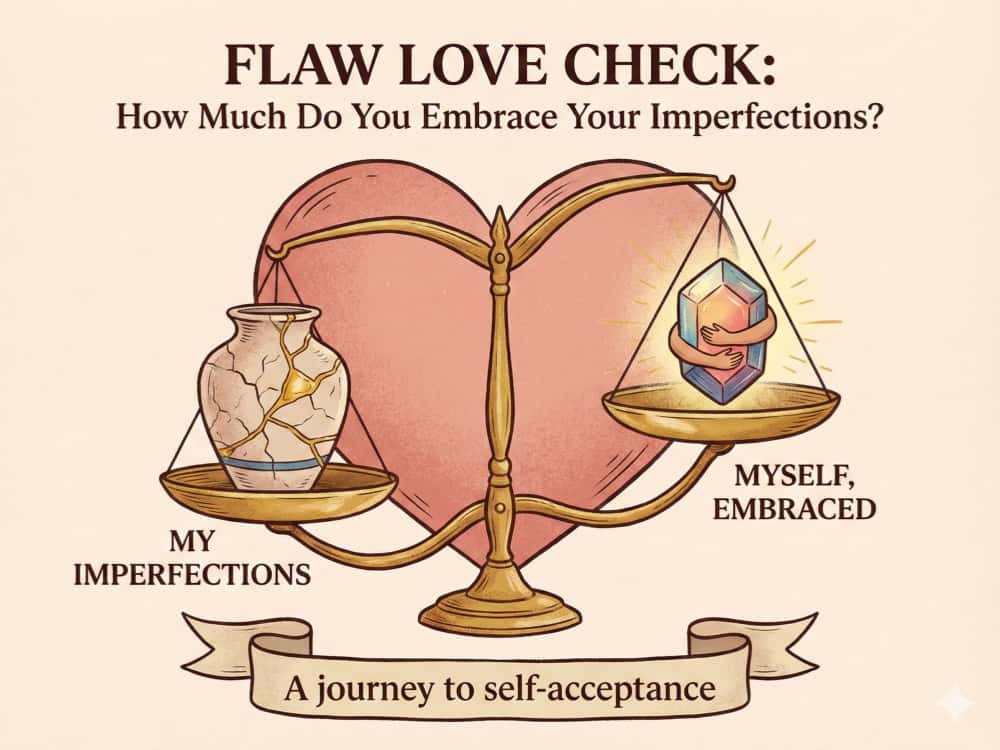
7. The Ultimate Purpose is Self-Love, Not Romance
This is the core truth that transforms the experience from painful to purposeful. The central lesson of any intense karmic dynamic is almost never about how to love the other person better. It's about how to love yourself more deeply. It teaches you to set boundaries, voice your needs, validate your own emotions, and find wholeness within rather than seeking completion from another. The relationship holds up a sign that says, "This way to your unhealed parts." Your job is to have the courage to follow it.
Recognizing these patterns isn't about labeling a relationship as "good" or "bad." It's about understanding its potential role in your personal evolution. If this resonates, see it as an invitation to self-reflection. What is this dynamic trying to show you about your patterns, your wounds, and your capacity for growth? The real magic of understanding karmic connections is the power it gives you: to move from a passive participant in drama to an active student of your own soul's curriculum.