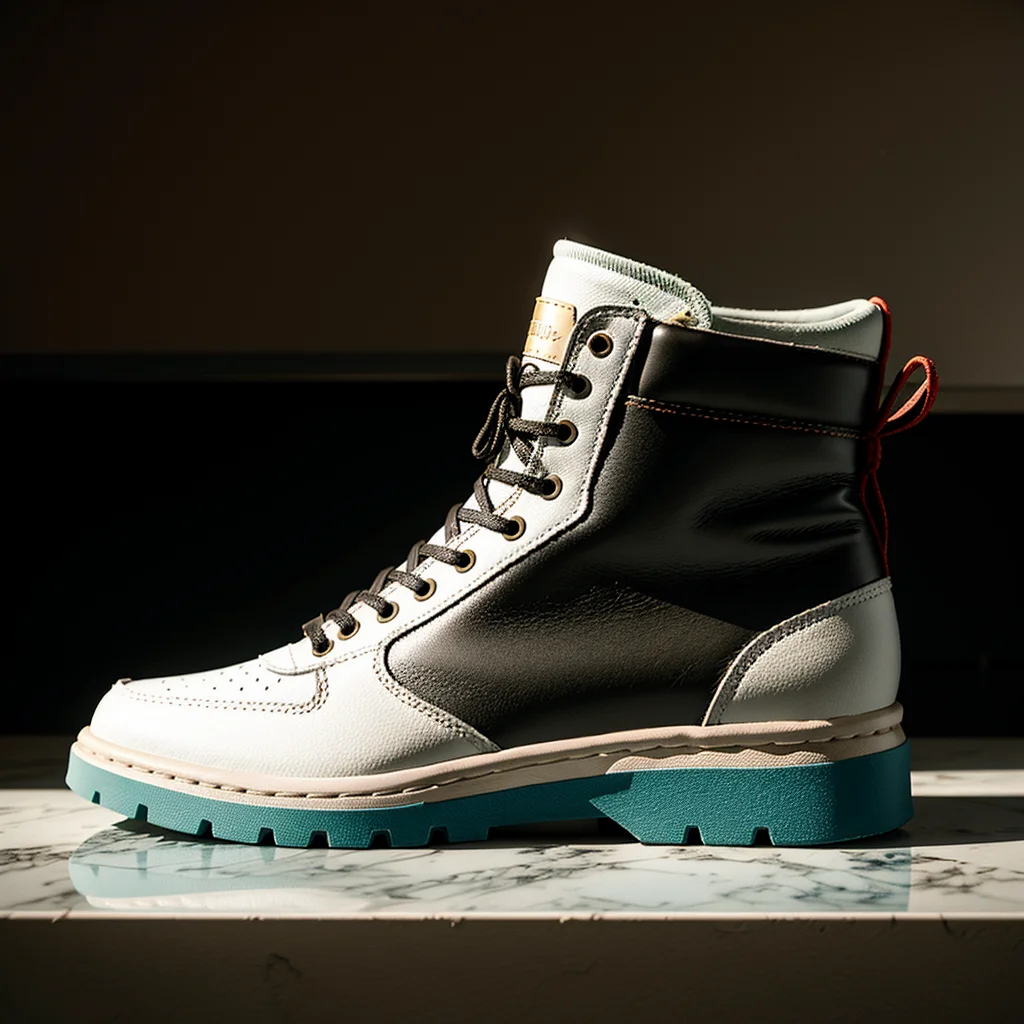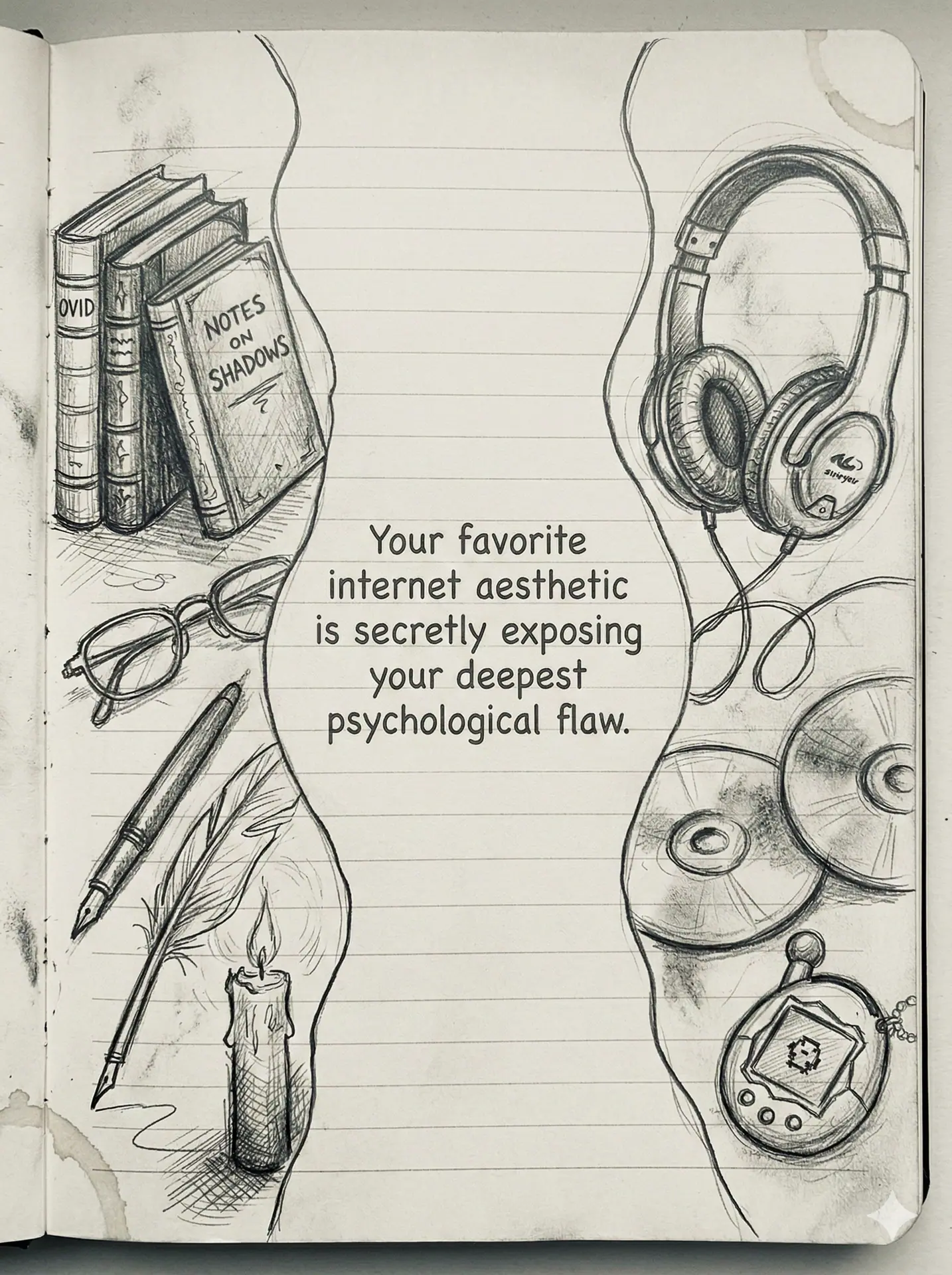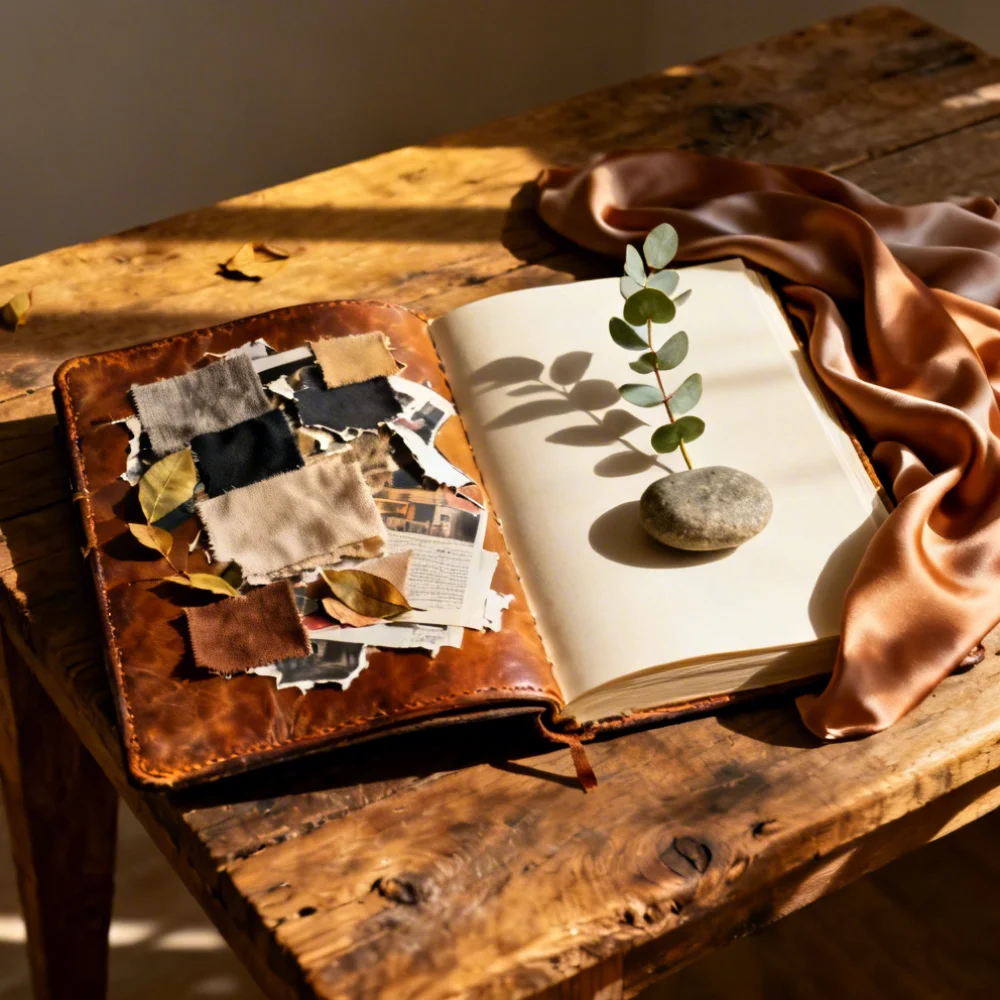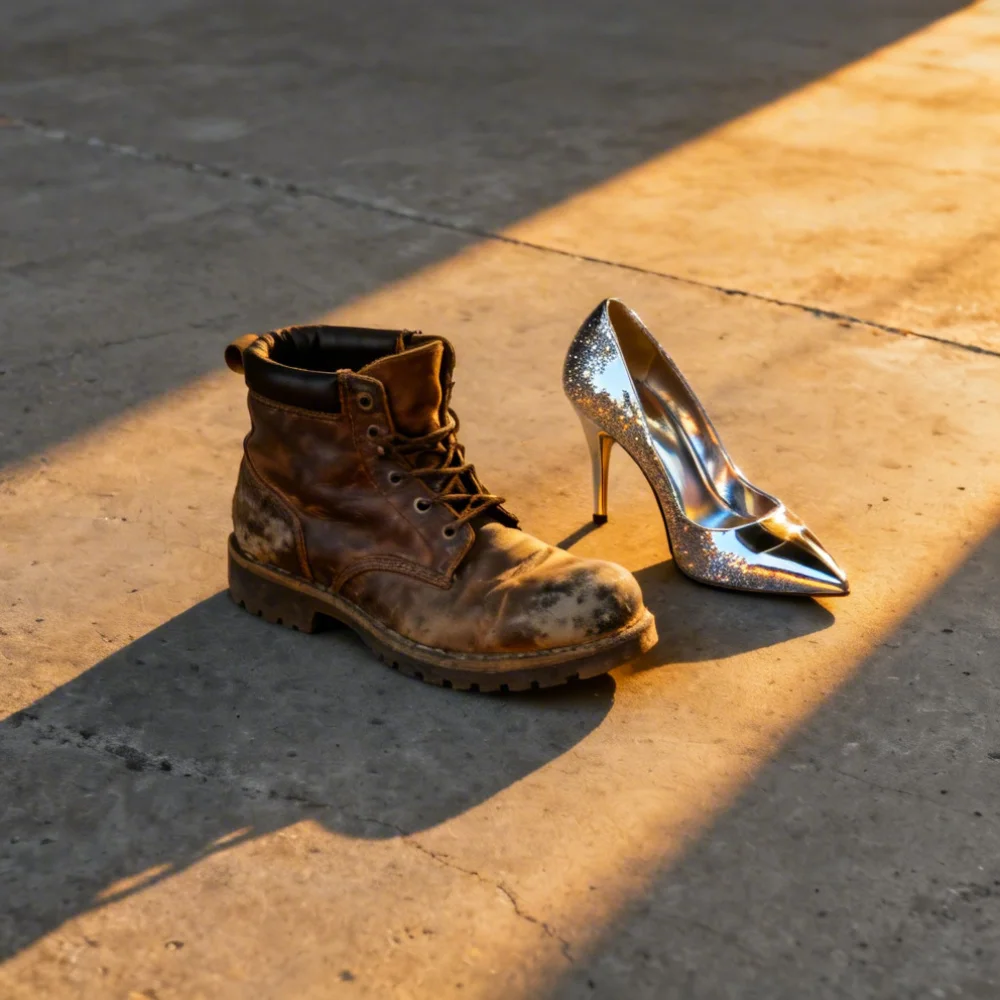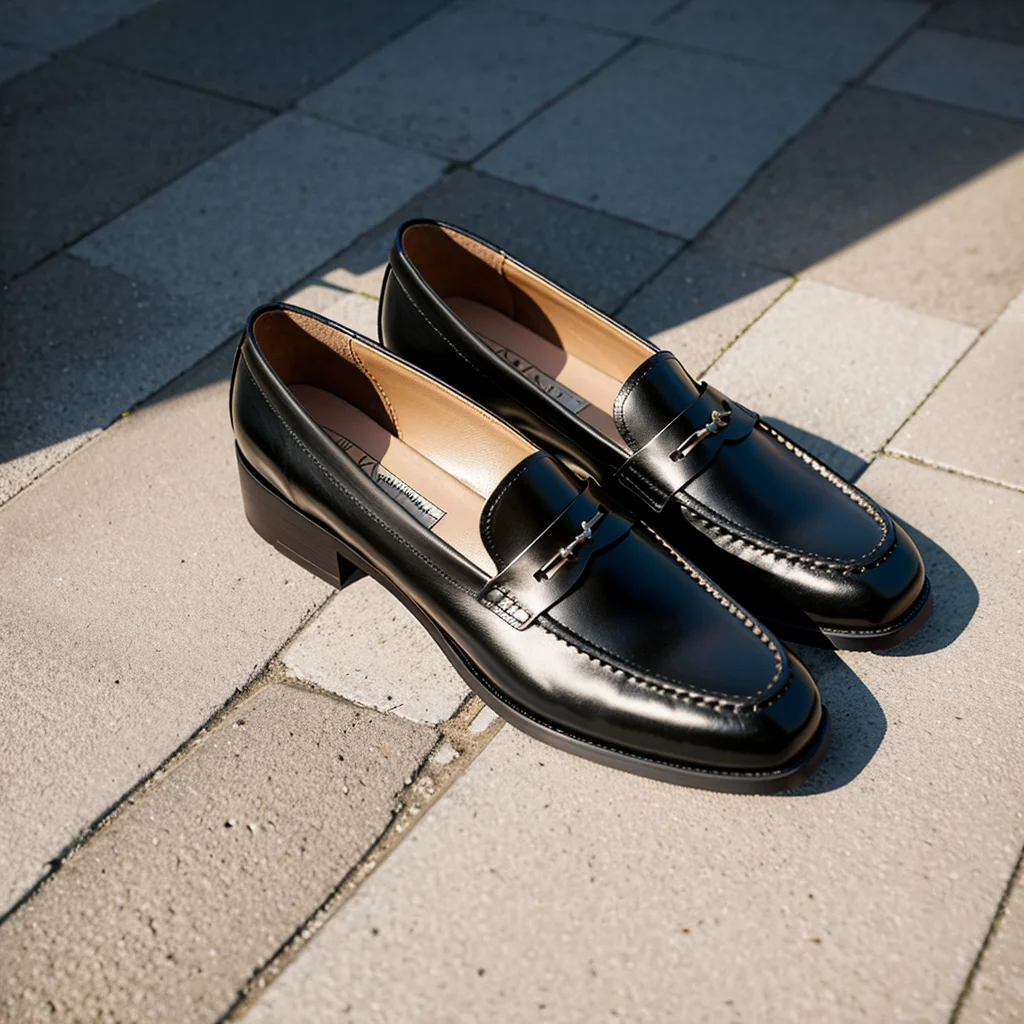
You've scrolled past the thousandth "old money aesthetic" mood board, a curated feed of tennis whites, worn leather-bound books, and sailboats that looks suspiciously like your great-aunt's attic if it had better lighting. It's not just a trend; it's a full-blown psychological pivot away from the dopamine hits of fast fashion hauls. Research suggests this shift towards quiet luxury and heritage style might be less about wealth and more about a deep-seated craving for stability, authenticity, and a self that isn't rebranded every season.
The Before: Chasing the Algorithm's Approval
Let's paint the 'before' picture. Your closet is a museum of micro-trends. You owned cottagecore before it was a hashtag and abandoned it for dark academia by fall. Each purchase was a tiny hit of validation, a promise that this blazer, this specific shade of green, would finally project the "you" you're trying to be. The psychological mechanism here is what many experts call "extrinsic motivation." Your sense of style, and by extension a slice of your identity, is outsourced. It's dictated by the feed, fueled by comparison, and validated by likes. The result? A wardrobe full of clothes that feel like costumes and a lingering sense that your personal aesthetic is perpetually under construction. You're not dressing for yourself; you're dressing for the invisible jury of the internet.
The Psychology of the Pivot: Why We Crave "Quiet" Now
So, what flips the switch from chaotic trend-chaser to aspiring purveyor of timeless elegance? It's rarely a sudden inheritance. Studies in consumer psychology indicate that during periods of perceived instability or information overload, individuals often gravitate towards symbols of permanence, quality, and heritage. The old money aesthetic, or what's being called "quiet luxury," acts as a psychological anchor. It represents a fantasy of stability—not just financial, but emotional. These aren't clothes that scream for attention; they whisper of longevity, of items that are cared for and passed down. The appeal is intrinsically motivated: it's about cultivating a personal style that feels insulated from the frantic cycle of trends, projecting a sense of self-assuredness that doesn't require external validation. It's the sartorial equivalent of taking a deep breath.
The Aspirational After: Curated, Not Consumed
Imagine the 'after.' Your closet is smaller, but getting dressed is effortless. Everything fits perfectly, feels substantial, and works together. You have a crisp white oxford shirt that's been with you for years, its softness earned, not manufactured. You choose a vintage wool blazer because you love its history, not because an influencer tagged it. Your style is a coherent, slowly-evolving story you tell about yourself, not a series of reactive headlines. The anxiety of "what's in" is replaced by the confidence of knowing what works for you. The aesthetic is no longer a costume to put on; it's an environment you inhabit, characterized by intentionality, quality, and a subtle, unshakeable confidence.
Actionable Step 1: Audit the Archetype, Not the Items
Forget buying a polo shirt and calling it a day. The first step is a mindset audit. Ask yourself: what values does the "old money" or "heritage style" archetype represent to you? Is it quiet confidence? Effortlessness? Respect for craft? Permanence? Write those words down. Now, look at your current wardrobe and your buying habits. How much of your consumption aligns with those core values versus the temporary thrill of "new"? This isn't about budget; it's about alignment. A well-made, second-hand trench coat that you'll wear for a decade embodies permanence far more than a cheap, trendy one ever could.
Actionable Step 2: Master the Art of the Uniform
The core of a timeless personal aesthetic isn't variety; it's a reliable formula. Think of the iconic figures associated with quiet luxury—they often have a signature uniform. Your mission is to identify yours. Start by finding 2-3 outfits in your current closet that make you feel genuinely confident and comfortable. What do they have in common? Is it a silhouette (straight-leg pants, tailored tops), a color palette (neutrals, navy, cream), or a fabric (cotton, wool, linen)? Build from there. The goal is to have a foundational uniform so reliable that getting dressed requires minimal mental energy, freeing you up to focus on everything else.
Actionable Step 3: Shift from Shopping to Curating
This is where the rubber meets the road. Implement a "one in, one out" rule. Before any new purchase, you must identify something to donate or sell. This forces intentionality. When you do buy, ask the "five-year question": Will I want to wear this in five years? Focus on natural materials, superior construction (check the seams, the lining, the buttons), and perfect fit. Embrace second-hand and vintage shops—they are treasure troves for unique, quality pieces with built-in history. Each new addition should feel like a chapter in your style story, not a disposable pamphlet.
The Real Transformation: Confidence is the Ultimate Accessory
The end goal of embracing a more timeless, intentional aesthetic isn't to look like you summer in Newport. It's to achieve a form of sartorial self-determination. The transformation is internal. When your style is built on your own values and curated with care, the confidence it generates is authentic. It's the confidence that comes from knowing who you are and what you like, independent of the algorithm's whims. That quiet self-assurance is the most coveted piece of the entire old money aesthetic—and it's thankfully one that no amount of money can truly buy, only cultivate.