You know that feeling when you buy the expensive, "eco-friendly" water bottle, then catch yourself tossing a single-use plastic cup in the trash an hour later? That sharp, internal wince isn't just guilt. It's your brain screaming on two different channels at once. Welcome to the psychological rollercoaster of cognitive dissonance.
Your Brain Hates a Contradiction
That uncomfortable tension you feel when your actions clash with your beliefs? Psychologists have a name for it. The theory of cognitive dissonance suggests our minds are wired for consistency. When we hold two conflicting thoughts, beliefs, or attitudes, or when our behavior doesn't match our self-image, it creates a kind of mental itch. And we will do almost anything to scratch it. This isn't about logic; it's about emotional comfort. Your brain would rather rewrite the story than sit with the plot hole.
The Sneaky Ways We Resolve the Tension
We rarely just sit and marinate in that discomfort. Instead, we deploy automatic, often unconscious, strategies to reduce the dissonance. You might change your belief ("Maybe plastic isn't that bad. Recycling is confusing anyway."). You might justify the action ("I was in a rush! It was just one cup!"). You might add a new, reconciling thought ("I'll offset it by using my bottle for a month straight."). Or, you might simply avoid the information altogether, scrolling past that article about ocean plastics. These mental maneuvers aren't signs of weakness; they're your psyche's default damage control. Research indicates this internal conflict can be a powerful driver of self-justification, sometimes leading us to double down on poor decisions just to feel consistent.
Spotting Dissonance in Your Wild
This mental tug-of-war isn't just about plastic cups. It's the ghost in the machine of daily life. It's defending a friend who treated you poorly because you've always said they're loyal. It's continuing to work for a company whose values you question because you've built your identity around the job. It's scrolling through "fitspiration" while skipping the gym, and muting the voice that points out the gap. This psychological friction often shows up as defensiveness, avoidance, or a sudden, intense need to explain yourself. When you feel that defensive spark flare up over a small critique, pause. Ask: what belief is being threatened here?
When Growth Feels Like Grief
Here's the counterintuitive secret: that awful feeling of dissonance isn't your enemy. It's a signal. It's your integrity poking you. While the easy path is to silence the conflict by lowering your standards or rationalizing, the courageous path is to lean into the discomfort. This internal clash can be the engine of genuine change. Allowing yourself to feel the full weight of the contradiction—"I care about the planet, AND I am being wasteful"—is where growth begins. It doesn't feel good. In fact, studies suggest it can feel like a kind of loss, as you grieve the simpler, more consistent self-image you had before. But on the other side of that discomfort is alignment.
Making Peace with the Pull
You won't eliminate cognitive dissonance. It's a feature of the human operating system, not a bug. The goal isn't to live a contradiction-free life—that's impossible. The goal is to become a better detective of your own justifications. When you feel that mental squirm, get curious instead of defensive. Name it: "Ah, there's some dissonance." Ask yourself the gentle but firm questions: What am I trying to reconcile right now? What story am I telling myself to make this okay? Is that story true, or just convenient? This practice isn't about self-flagellation; it's about moving from autopilot to awareness. It's about choosing your alignment consciously, not stumbling into it by accident.
The Choice in the Conflict
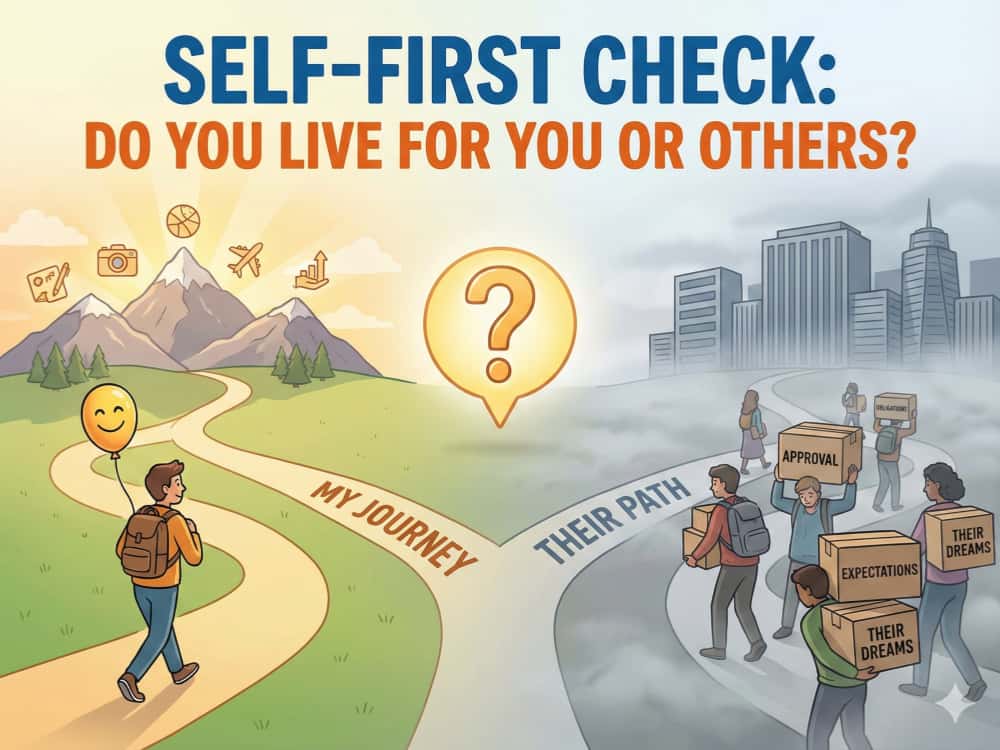
That tension between who you are and what you do, between what you believe and how you behave, isn't a sign you're failing. It's a sign you're paying attention. Every moment of dissonance is a tiny crossroads. One path leads back to the cozy, familiar story where you're always the hero. The other path—the harder, quieter one—leads toward a more honest, integrated version of yourself. You don't have to resolve it today. Just acknowledge the pull. Sometimes, the most powerful thing you can do is simply stop explaining, and start listening to what that internal conflict is trying to tell you. The truth you're avoiding might just be the one you need.