

That constant hum of worry in your chest, the endless "what if" scenarios playing on a loop, the urge to check your phone for reassurance—if this sounds familiar, you might be experiencing relationship anxiety. It's that pervasive feeling of unease, doubt, and fear about your romantic connection, even when things seem objectively good. Understanding this internal turbulence is the first, crucial step toward finding calm and building a more secure bond.
What Exactly Is Relationship Anxiety?
Relationship anxiety isn't just occasional nervousness before a big date. It's a persistent pattern of worry and insecurity that can color every interaction with your partner. You might find yourself hyper-analyzing their texts, fearing they'll lose interest, or feeling a deep-seated dread of abandonment. This emotional state can exist regardless of your partner's actual behavior; it often stems from internal narratives rather than external reality. It's important to distinguish this from general anxiety, as it's specifically tied to the dynamics and future of your romantic relationship. While it can feel isolating, this form of anxious attachment is a common human experience, signaling a deep desire for connection coupled with a fear of losing it.
The Inner Critic and the "What If" Spiral
At the core of much relationship anxiety is a loud inner critic and a cognitive pattern known as catastrophizing. Your mind might jump from a single unreturned text to a full-blown narrative of rejection and heartbreak. This mental habit of expecting the worst-case scenario can be exhausting. Research suggests that individuals with higher levels of attachment anxiety often engage in more negative interpretation of ambiguous events within their relationships. For example, a partner needing some quiet time can be misinterpreted as a sign of cooling affections. Learning to recognize this spiral—the trigger, the thought, the emotional reaction—is a powerful tool. It creates a moment of pause where you can challenge the anxious narrative and ask, "What's another, more neutral or positive, explanation for this?"
Where Does This Fear Come From?
The roots of romantic insecurity are often complex and multifaceted. Many experts believe our earliest attachment experiences with caregivers can shape our "blueprint" for future relationships. If those early bonds felt unpredictable or insecure, we might unconsciously expect the same in our adult partnerships. Furthermore, past romantic hurts, betrayals, or rejections can leave emotional scars that make us wary of being vulnerable again. Cultural and social factors also play a role; living in a world that often highlights relationship failures and promotes a "grass is greener" mentality can fuel doubts. It's rarely one single cause, but rather a combination of personal history, temperament, and learned thought patterns that contribute to feelings of unease in love.
What Research Says About Anxious Attachment
Academic inquiry into attachment theory provides a helpful framework for understanding relationship dynamics. Studies indicate that individuals with an anxious attachment style tend to have a heightened sensitivity to relationship threats and a strong need for closeness and reassurance. Research has found that this can lead to a pattern of "protest behaviors," like excessive calling or needing constant validation, which are ultimately strategies to reduce fear of abandonment. Furthermore, investigations into the brain suggest that social rejection and physical pain activate similar neural pathways, which might explain why the prospect of relational loss can feel so viscerally threatening. It's crucial to note that these findings describe tendencies, not destinies; awareness is the precursor to change, and our attachment styles can evolve with intention and experience.
The Self-Fulfilling Prophecy of Insecurity
One of the most challenging aspects of relationship anxiety is its potential to create the very situation it fears. Constant seeking of reassurance can sometimes push a partner away. Withdrawing emotionally as a pre-emptive strike against perceived rejection can create distance. Accusations born from fear can breed resentment. This cycle can feel inescapable, but breaking it starts with self-awareness. When you notice the anxious urge to seek proof of love or to retreat, pause. Ask yourself: "Is this action coming from a place of fear or a place of love? Is it moving me toward connection or away from it?" Choosing a different, small response—like stating a need calmly ("I'm feeling a bit insecure today, could we plan some quality time?") instead of testing your partner—can begin to rewrite the pattern.
Practical Steps to Quiet the Anxiety and Cultivate Security
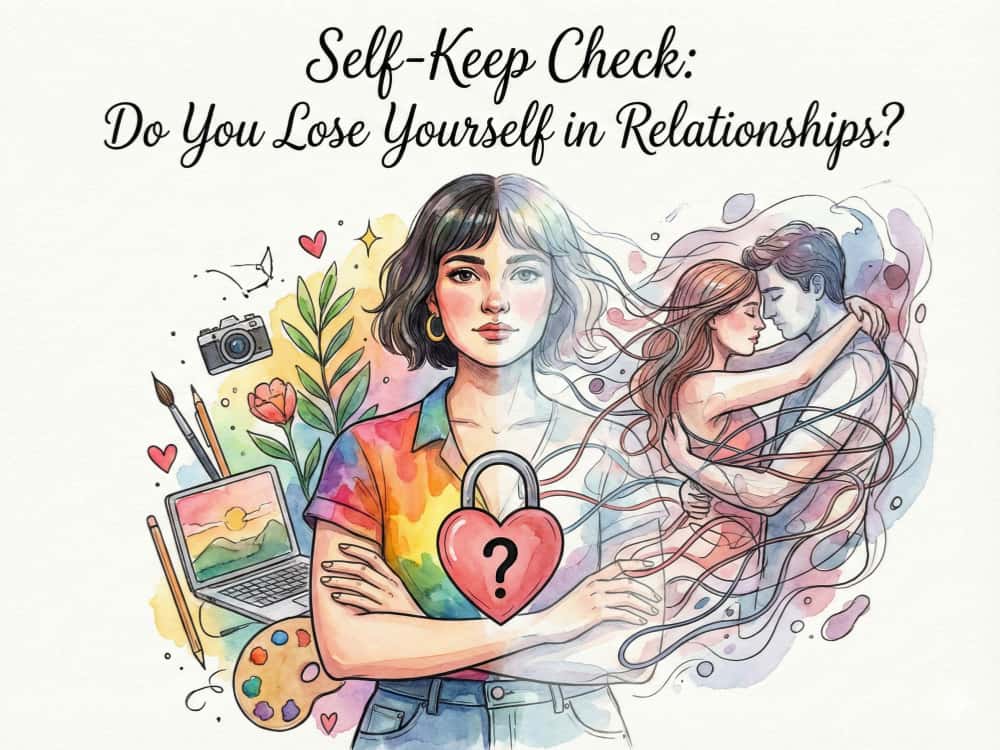
Transforming your relationship with anxiety is a practice, not a one-time fix. Start by grounding yourself in the present moment. When fears about the future arise, gently bring your attention back to what is true right now. Practice self-validation; your feelings are real and deserve acknowledgment, but they are not always facts about your relationship. Develop a "relationship resume" that lists your strengths as a partner and the healthy aspects of your connection—refer to it when doubt clouds your view. Communicate your needs using "I feel" statements without blame, and work with your partner to establish small, consistent rituals of connection that build trust over time. Most importantly, invest in your own life, passions, and friendships. A strong sense of self outside the relationship is the ultimate antidote to enmeshed anxiety, creating a foundation of security that no external event can shake.
The journey from anxiety to assuredness in love is about building a kinder relationship with yourself. It's about learning to distinguish the voice of past hurt from the reality of your present connection. By understanding the roots of your fears, challenging catastrophic thoughts, and taking small, courageous actions toward secure behaviors, you can gradually replace doubt with trust. The goal isn't a perfect, worry-free relationship, but one where you feel equipped to navigate uncertainty from a place of inner strength, fostering a love that feels calm, connected, and truly your own.