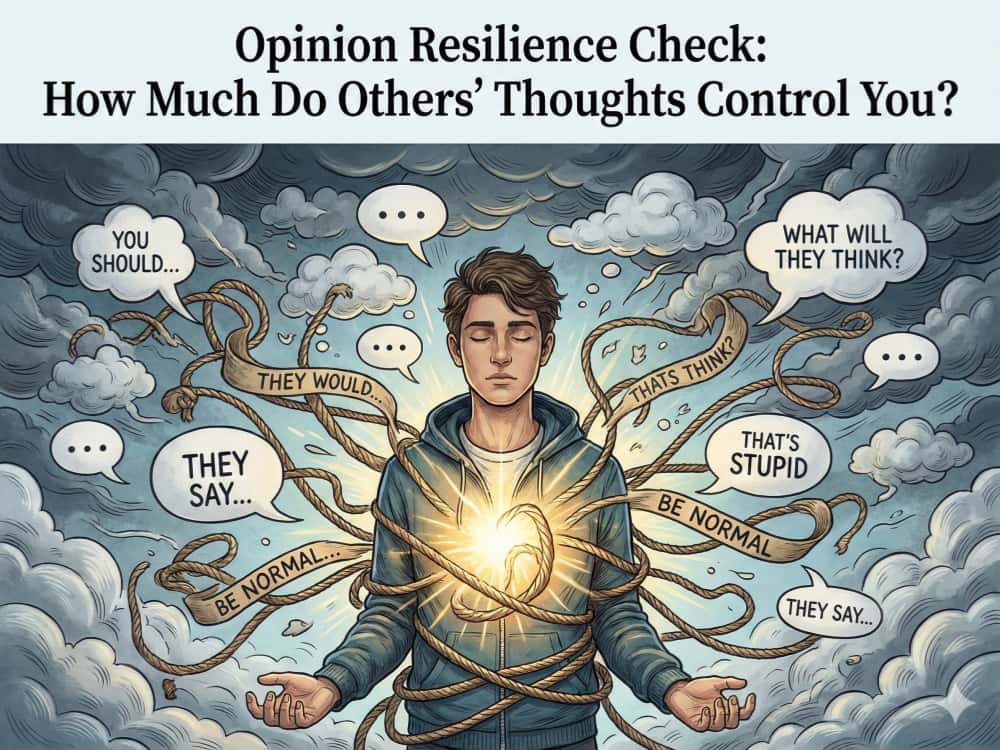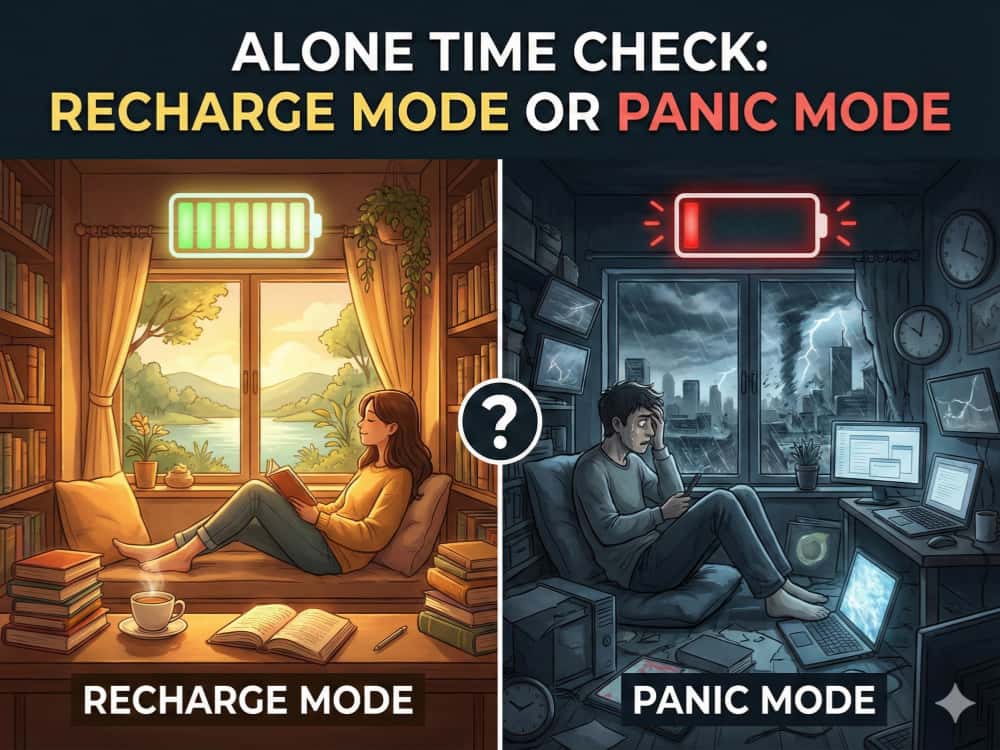
Ever feel like your brain is a browser with 47 tabs open, and one of them is playing an anxiety anthem on loop? You're not alone. The quest for that elusive, cool-as-a-cucumber unbothered energy is real, but it often feels like trying to find zen in a group chat full of notifications. This isn't about becoming emotionless or indifferent; it's about learning the psychological art of selective engagement. Let's unpack the science of what keeps us 'bothered' and map out a path to a more centered, resilient you.
The Before: When Your Inner Weather Report is All Storms
Picture this: a passive-aggressive comment from a coworker ruins your entire afternoon. A stranger's side-eye on the subway sends you spiraling into a 20-minute internal monologue about your outfit. You refresh your inbox for the tenth time, waiting for a reply that dictates your mood. Sound familiar? This 'before' state is what many experts call high reactivity. Your emotional thermostat is set to 'high alert,' meaning external events—big, small, or imagined—have an outsized impact on your internal world. It's exhausting, and it often stems from a few key psychological mechanisms. Research suggests our brains have a negativity bias, a leftover survival instinct that makes us pay more attention to potential threats (like criticism or social friction) than to neutral or positive events. When this bias runs unchecked, every minor slight can feel like a five-alarm fire.
Why We Get Hooked: The Psychology of the Bother
So, why do we get so hooked on things that, in the grand scheme, don't matter? A primary culprit is a concept in psychology known as rumination. It's that mental hamster wheel where you replay a conversation, analyze a text message, or rehearse a comeback for an argument that happened three days ago. Studies indicate rumination is less about solving a problem and more about dwelling on the distress it causes, which can amplify negative emotions and trap you in a cycle of feeling bothered. Another factor is what's often called external locus of control—the feeling that your happiness and peace are dictated by outside forces: other people's opinions, algorithmic feeds, or unpredictable circumstances. When you believe your serenity is controlled by externals, you're essentially handing over your remote control to the world.
The Mental Shift: From External Noise to Internal Compass
The transformation to cultivating unbothered energy begins with a fundamental pivot: shifting your focus from managing the uncontrollable external world to curating your internal response. This isn't about building a wall; it's about installing a filter. Think of it as upgrading your mental software from 'Everything is urgent!' to 'Does this deserve my bandwidth?' This shift is rooted in the psychological principle of cognitive appraisal—the idea that it's not the event itself that causes our stress, but our interpretation of it. By consciously questioning our initial, often automatic, appraisals ("That look meant they hate me"), we create a space between stimulus and reaction. In that space lies our power to choose a different, less bothered path.
Actionable Step 1: The 5-Second Fact-Check
When you feel that familiar flare of irritation or anxiety, hit the mental pause button. Ask yourself, with genuine curiosity: "What is the indisputable fact here, and what is the story I'm telling myself?" The fact might be: "My friend read my message and didn't reply for two hours." The story you're adding could be: "They're ignoring me because they're mad about yesterday." Separating the objective data from the dramatic narrative is a powerful first step in disarming the bother. It allows you to respond to reality, not to the scary movie your brain is projecting.
Actionable Step 2: Practice Strategic Detachment
Strategic detachment isn't cold or uncaring; it's a conscious decision about where to invest your emotional energy. It involves recognizing that not every battle is yours to fight and not every opinion is a verdict on your worth. Try this: For one week, conduct a personal audit. Notice what topics, people, or online spaces consistently trigger that 'bothered' feeling. Without judgment, ask if engaging with them is serving your peace or draining it. You might find that muting a certain conversation, limiting doom-scrolling time, or simply not offering your opinion on every minor debate can create massive psychological space. This builds emotional resilience by conserving your resources for what truly matters to you.
Actionable Step 3: Cultivate Your 'Inner Sanctuary'
True unbothered energy isn't sustained by willpower alone; it needs a foundation. This is your 'inner sanctuary'—the practices and perspectives that ground you regardless of external chaos. For some, this is a mindfulness or meditation practice that trains the brain to observe thoughts without getting swept away by them. For others, it might be physical activity, creative expression, or immersing in nature. The goal is to have a reliable, internal source of calm and self-validation so you're not scrambling for it from unpredictable external sources. Many experts believe regular practices like these can strengthen the brain's prefrontal cortex, the area involved in emotional regulation, making that 'unbothered' state more of a default and less of a struggle.
The After: What Unbothered Energy Actually Feels Like
So, what's on the other side of this transformation? It's not a life devoid of feeling. It's a life where you are the author of your emotional experience. The 'after' looks like receiving critical feedback and seeing it as data, not a demolition of your character. It feels like scrolling past a provocative post and thinking, "Huh," instead of diving into the comments to wage war. It's the quiet confidence of knowing your worth isn't up for debate based on a bad day or someone else's bad mood. You'll still care deeply—about your passions, your people, your principles—but from a place of choice, not compulsion. Your energy becomes less reactive and more responsive, guided by your values rather than volatility.
The Takeaway: Your Peace is a Practice
Developing a genuine sense of being unbothered isn't a one-time achievement; it's a daily practice of gentle realignment. Some days you'll nail it, and some days a poorly timed email will throw you off your game—and that's perfectly human. The point isn't perfection; it's progress. It's about collecting tools, like the fact-check and strategic detachment, that help you return to your center faster. Start small. Tomorrow, choose one minor irritation and experiment with meeting it with curiosity instead of catastrophe. Notice what happens. Remember, the goal isn't to control the wind, but to learn how to adjust your own sails.