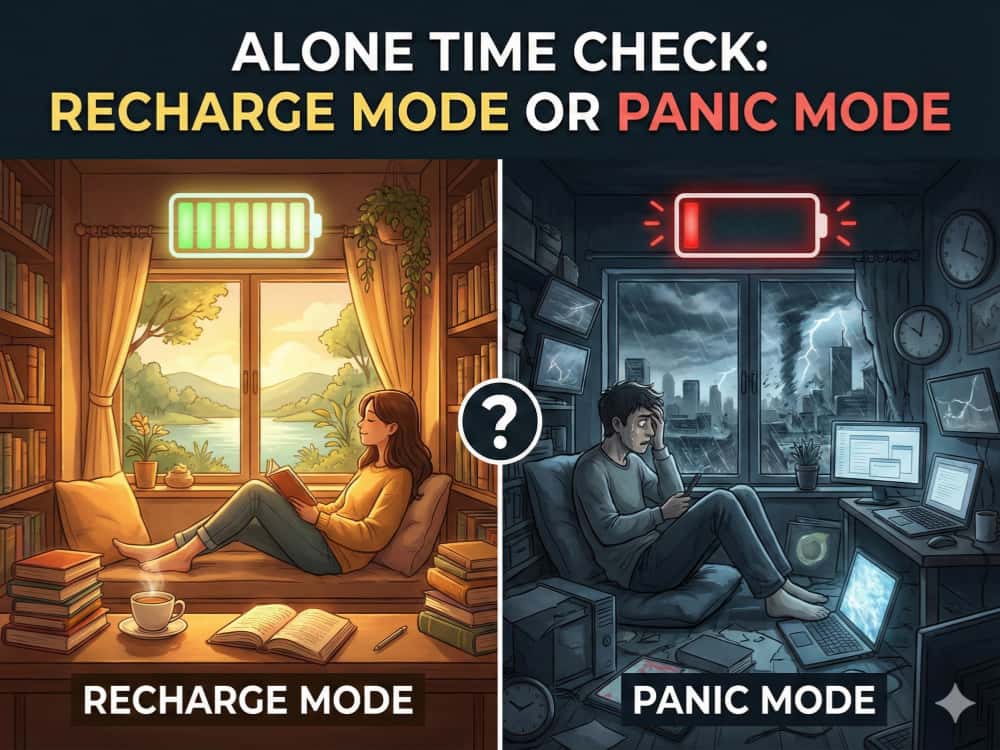
You know that feeling when you've scrolled so far into a niche internet subculture that the real world starts to feel like a low-resolution simulation? When your primary emotional responses are curated by an algorithm, and your sense of self is a collage of memes, opinions, and aesthetics consumed in digital solitude. This is the hallmark of being chronically online—a state of existence increasingly common, yet psychologically complex. It's not just about screen time; it's about where your consciousness primarily resides.
The Digital Echo Chamber and Your Sense of Self
Imagine your mind as a house. Every app, forum, and feed you frequent is a room you decorate. Spend all your time in rooms filled with outrage, performative wellness, or ironic detachment, and soon, that's your interior design. Research suggests that persistent immersion in niche online spaces can lead to a phenomenon psychologists call "context collapse," where the boundaries between different social contexts blur. The self you present in a heated political thread, on a fan art board, and to your grandparents on video call were once separate. For the chronically online individual, these selves can merge into a single, often anxious, performance. The constant, low-grade pressure to have a "take," to align with a digital tribe, or to pre-emptively defend a viewpoint can make your inner world feel less like a sanctuary and more like a live-streamed debate stage. This state of perpetual digital residency doesn't just change what you think about; it can subtly reshape how you think.
From Browsing to Binging: The Neurological Loop
Why is it so hard to log off? The pull isn't just social or habitual; it's neurological. The variable reward schedule of social media—the unpredictable like, the surprising comment, the new viral trend—exploits the same dopamine-driven pathways as a slot machine. Each refresh is a pull of the lever. For someone experiencing digital overload, this isn't mere distraction; it's a deeply ingrained loop of anticipation and micro-reward. Studies on neuroplasticity indicate that repeated behaviors strengthen specific neural pathways. The more you train your brain to process information in rapid, fragmented, emotionally charged bites, the more natural that mode of thinking becomes. This can make sustained, deep focus on a single task—like reading a book, having a meandering conversation, or simply sitting with your own thoughts—feel unnervingly difficult. The online world is fast, judgmental, and full of clear, if chaotic, signals. The offline world, by comparison, can feel unbearably slow and ambiguous.
The Empathy Paradox of Hyper-Connection
Here's a curious contradiction of the digitally saturated life: you can weep over a tragic news story from across the globe while feeling impatient and irritated by a friend sharing a minor personal problem in a text. This empathy paradox is a key feature of internet-informed living. Constant exposure to curated highlights and curated tragedies can lead to what some researchers term "compassion fatigue" or "empathy dilution." When your emotional bandwidth is constantly occupied by the performative suffering and joy of strangers, celebrities, and influencers, there may be less cognitive room for the nuanced, real-time empathy required by the people physically around you. Furthermore, the text-based, disembodied nature of so much online interaction strips away the tonal nuance, body language, and immediate feedback that guide in-person empathy. A disagreement online quickly becomes about positions and principles. A disagreement in person is unavoidably about the person in front of you. The chronic online state can, ironically, build walls even as it promises connection.
The Algorithmic Mirror: When Your Taste Isn't Your Own
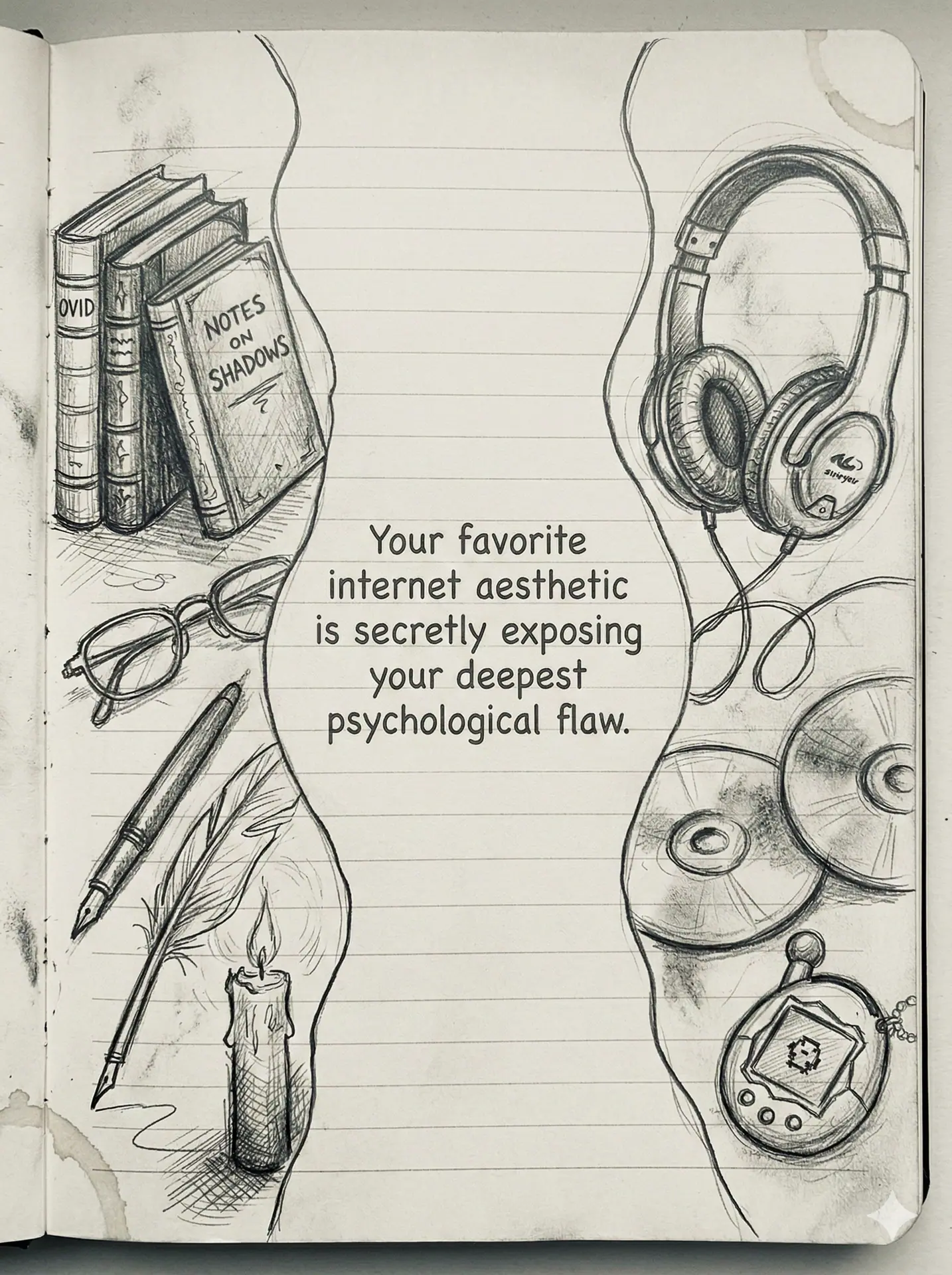
Think about your favorite music, your political views, your fashion sense. How many originated from a genuine, internal spark, and how many were served to you by a platform designed to maximize engagement? For the perpetually connected, the line is famously blurry. Algorithms don't just show you what you like; they actively shape what you will like by creating a feedback loop of your own past behaviors. This creates a kind of identity funnel. Your "recommended for you" page becomes a mirror, but it's a mirror that only reflects back a specific, data-driven version of you, often amplifying extreme or emotionally charged content because that's what keeps you clicking. This can lead to a distorted self-perception, where you believe your curated feed represents the whole of reality or the totality of your own personality. Stepping away from this algorithmic curation, even briefly, can feel disorienting—like losing a part of your own mind, because in a sense, you have.
Digital Ghosts and the Fear of Missing Out (FOMO)
The anxiety of being chronically online isn't always about what you're experiencing; it's increasingly about what you're missing. But it's a specific, spectral kind of missing out. It's not the fear of missing a party you were invited to; it's the fear of missing the discourse, the meme, the unfolding drama, the subtle shift in community norms that happens in your absence. Your online communities continue to talk, bond, and evolve while you sleep, work, or try to be present elsewhere. Returning feels like entering a room where a private joke has just finished. This creates a powerful, often unconscious, pressure to maintain a constant vigil—to lurk even when you're not actively participating. This state of perpetual background monitoring fractures attention and makes genuine disconnection feel risky, as if you might return to find your digital self has become a ghost, irrelevant and out-of-sync.
Rewiring for a Hybrid Existence
Recognizing the signs of a digitally dominant life isn't about declaring a moral war on technology. It's about awareness and intentionality. The goal isn't to live offline, but to reclaim your cognitive sovereignty—to use the digital world without letting it use you. Many experts in digital wellness suggest starting with simple audits: track not just your screen time, but the emotional quality of your engagements. Which activities leave you feeling enriched, connected, or inspired? Which leave you feeling drained, agitated, or empty? The next step is often about creating friction. Change your phone to grayscale to reduce its visual allure. Use website blockers during focus hours. Designate physical "phone-free zones" in your home, like your bedroom or dinner table. More profoundly, practice reintroducing your brain to offline modes of engagement. Read a physical book. Engage in a hands-on hobby. Have a conversation without a device in sight, and notice the urge to reach for it. That urge is the neural pathway you've built; with consistent practice, you can build others. The most empowering insight from psychology is that while the brain is malleable, you are not its passive product. You are, to a significant degree, its architect. The chronic online state is one design. A more balanced, intentional hybrid existence is another, and it begins with the simple, radical act of occasionally choosing to be the one who logs off.