

Forget the romantic hype. Understanding your primary love language is less about grand gestures and more about decoding your core emotional wiring. It's the key to why some interactions feel deeply fulfilling while others leave you feeling strangely empty, even when intentions are good. This framework, popularized by Dr. Gary Chapman, suggests we all have preferred ways of giving and receiving care. Let's cut through the fluff and get real about how these emotional dialects work.
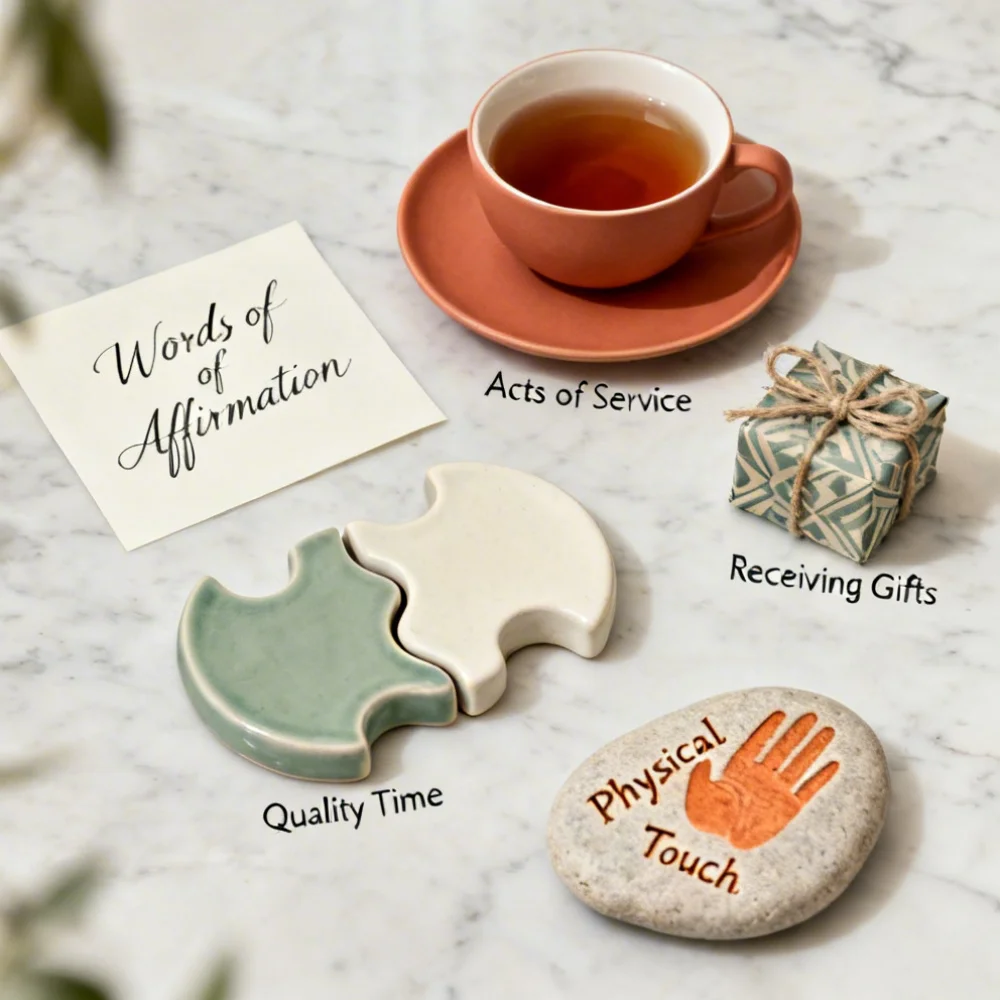
1. Words of Affirmation: It's Not Just About Compliments
If this is your primary language, silence isn't golden—it's confusing. Research suggests that for you, verbal acknowledgment is a direct deposit into your emotional bank account. This goes beyond a simple "you look nice." It's about specific, genuine appreciation for your efforts, character, or presence. A thoughtful text, vocal pride in your achievements, or even a heartfelt "thank you for listening" can carry more weight than any gift. Conversely, harsh criticism or dismissive language isn&os;t just disagreeable; it can feel like a profound personal rejection. The key is authentic communication, not empty flattery.
2. Acts of Service: Actions Speak Infinitely Louder Than Words
For you, love is a verb, period. Promises and sweet talk ring hollow if they aren't backed up by tangible effort. Your emotional connection is often built in the mundane: someone making you a coffee without being asked, taking a task off your overflowing to-do list, or showing up to help you move apartments. These acts are perceived as direct investments in your well-being and peace of mind. Laziness, broken commitments, or creating more work for you can feel like a deep form of disrespect. It's not about servitude; it's the visible proof that someone has your back.
3. Receiving Gifts: It's the Thoughtfulness, Not the Price Tag
This is the most misunderstood of the love languages. It's not materialism. For someone with this preference, a gift is a physical token of thoughtfulness—a tangible symbol that you were on their mind. The value lies in the symbolism and the effort behind it. A picked flower, a book they mentioned wanting three months ago, or their favorite snack after a hard day all scream, "I see you, I hear you, I know you." The absence of gestures on meaningful occasions, or thoughtless, last-minute gifts, can translate to a feeling of being forgotten or an afterthought. It's visual, emotional evidence of care.
4. Quality Time: The Currency is Undivided Attention
If this is your language, presence is everything. And we mean present presence—phones down, eye contact up, active listening engaged. It's about sharing an experience, having a deep conversation, or simply enjoying comfortable silence together without distraction. For you, time is the ultimate non-renewable resource, and choosing to spend it with someone is the highest form of praise. Cancelled plans, multitasking during a conversation, or physical presence without mental engagement can feel deeply hurtful, like you're being deprioritized. It's the focused connection that fills your cup.
5. Physical Touch: Connection is Literally Felt
This extends far beyond a sexual context. For those with this primary language, appropriate physical contact is a fundamental channel for emotional connection and security. A hug, a hand on the shoulder, a high-five, or sitting close on the couch are all direct transmissions of warmth, safety, and belonging. These gestures release feel-good hormones like oxytocin, literally building bonds. Withdrawal of touch, physical flinching, or a consistently hands-off demeanor can create a profound sense of isolation and rejection, even if words say otherwise. It's about non-verbal assurance and closeness.
6. The Real Work: Speaking a Language That Isn't Your Native Tongue
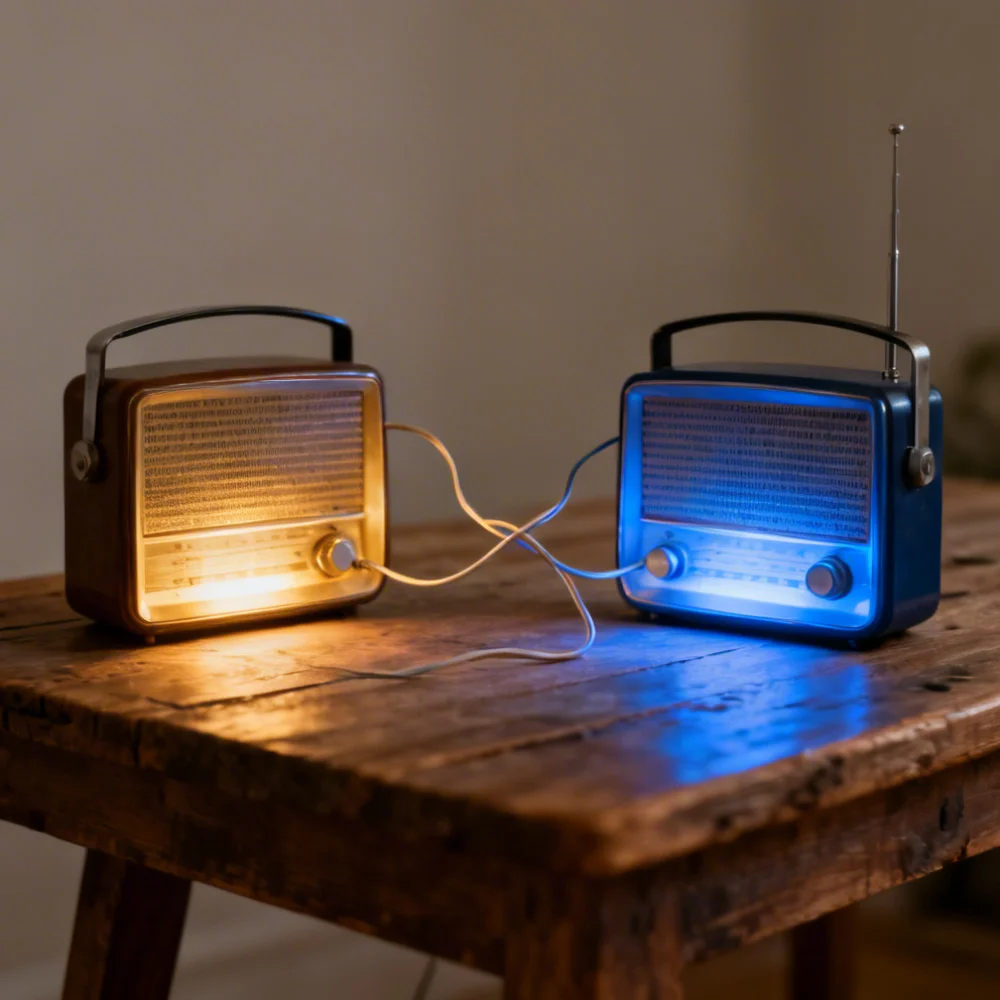
Here's the hard truth everyone skips: The magic isn't just in discovering your own love language. The transformative part is learning to fluently speak someone else's, especially when it's foreign to you. If you're a "Quality Time" person dating an "Acts of Service" person, your desire for a long talk might clash with their instinct to show love by fixing your leaky faucet. Neither is wrong. The work lies in recognizing their effort as love, even if it doesn't resonate as your first choice, and consciously choosing to express care in their dialect. It's emotional translation, and it's the cornerstone of mutual understanding.
So, what now? Don't just identify your language and demand others cater to it. Use it as a map. Observe how you instinctively show care—that's often your own language. Then, get genuinely curious about the people in your life. What consistently lights them up? The goal isn't a perfect match, but a conscious, willing effort to bridge the gap between how you love and how they feel loved. That's where the real connection happens.